Showing posts with label travel tips. Show all posts

Thursday, May 28, 2015

Travel Smart—Miscellaneous Tips

Group Travel
Be flexible
Be positive (it’s contagious!)
Be courteous
Be on time
Be on the bus when it leaves
Be attentive…listen to the Tour Director!

Airlines and Flights

Most likely we will be issued electronic tickets.  All the necessary information will be listed on the EF Tour Center and you will be notified to check through email.

Due to the special group rates EF secures for flights, airlines will not allow you toaccrue frequent flyer miles or upgrade seats.

Check baggage allowances prior to leaving for the airport.  Any checked bag exceeding the limit will be charged a fee.  If checking a bag, be sure to check your bag all the way to your final destination and make sure that the tag attached by the airline has that city name on it.

Arrive at the airport at least three hours prior to departure and check in.  Meet the group at the departure gate.  Sometimes there is a last minute gate change, so you will need plenty of time to be at the new assigned gate.

EF is unable to designate specific seats.  The airline will confirm your seat assignments at check-in.  When you board the plane, sit in your assigned seat.  You may change seats after the announcement that they are shutting the airplane door.

Wear something with preferably deep pockets on the plane—it’ll prevent you from having to dig through your bag for your phone, wallet, and boarding pass every five minutes.

If the back of your plane seat doesn’t have TVs, put your phone in a plastic bag and hook it to the back of the tray table.

Before leaving home, google your airline name and flight number to check the status of your flight.

Take a photograph of the contents of your luggage before the trip and email it to yourself.  If the airline loses your luggage, you'll want this to prove its value.

Time Zones

The United Kingdom (Scotland and Northern Ireland) and Ireland are six hours ahead of Central Daily Savings Time.  Check it out with this Time Zone Converter.

Traveling with Electronics  

WiFi
Try to avoid using phones and tablets for Internet access unless you are in a wi-fi zone.  Many cafes, bars, and hotels offer free access but you may need to ask for a code.  

Cell Phones
Please check with your cell phone company prior to international travel regarding voice and data charges and then make a wise decision whether you need to purchase an international voice and data plan.  Always have your phone on “airplane mode” to avoid roaming charges which can be very expensive.

Our EF tour consultant recommends a great FREE app for smart phones called Viber that allows you to text internationally for free!  You AND your family at home would both need to download the app to their phones.  While you are abroad, and as long as you’re connected to wifi, you can text home via the Viber app.  For more information, please check out their website: http://viber.com/

Laptop or iPad?
While a laptop is more powerful with a larger storage capacity, no one can argue the simplicity of the iPad or tablet.  With fewer and fewer Internet cafes and more wi-fi hotspots, staying connected is getting easier, especially with smart phones.  For our purposes, I recommend leaving the laptop at home for convenience sake.  It is a more expensive piece to have to keep up with, and the weight and bulk make it less convenient.  Remember…you are your own porter.

Tablets (and smart phones) can double for Internet connections and email communication, downloaded movies for in-flight entertainment, and be used as a camera.  Also you can take screen shots of maps, diagrams, information etc. from the Internet while at home and access that information via your photograph collection while on tour.

Digital Cameras
Make sure you know the functions of your camera before departing on the trip.  On tour is no time to try and figure it out.  You don’t want the Scottish Highlands to pass you by while you are trying to get the settings right.  Practice, practice, practice at home.

Also pack plenty of batteries—rechargeable, and regular in case your charger does not work properly.  Do not assume you can buy your type of battery at any stop…and it will probably cost a lot more as these are tourist stops.  In addition, bring additional memory cards, and keep them in a safe place on tour.

If you are in the market for a new digital camera, this previous blog post provides you with some tips to consider while making the purchase.

In consideration of other travelers on our bus, learn to turn off your camera’s beeping and clicking sounds before the tour.

Be cognizant of sites that request no photography.  Sometimes their signs or instructions simply say no flash photography, while other sites request no photography at all.  When in doubt, ask to avoid embarrassment.

Chargers
Don’t forget to pack them!  And remember the adaptor/electric voltage converter.


Print off individual pages from the LUV2GO travel blog and carry the appropriate pages with you each day on tour.  Use bus time reading to brush up on what to expect at each site.  Make notes on the pages and add to your journal or scrapbook later for photo ID.

Keep an eye out for notices of events happening locally as these are often spontaneous and free.

The itinerary is packed with exciting things to do and see.  When we leave the hotel each morning, we will be on the go all day…either at a site or riding the bus to it.  There will be lots of walking, so broken-in, comfortable shoes are an absolute must.  Do not bring new shoes on the tour.

Hotels

Hotels are safe, clean, and comfortable with private bathrooms.  They may be located outside of city centre and usually have smaller rooms than typical North American hotels.  They also may not have air conditioning or elevators. 

Everyone will be assigned a room with two single beds.  Two nights each are scheduled at hotels in four different cities.

Foods

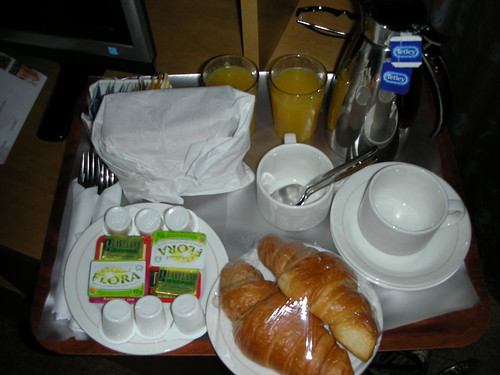
Breakfasts typically are European style—cereal, bread or rolls, jam, coffee, tea, and juice.  However, we have been blessed with very full breakfasts with a wide variety of choices.  Be prepared for both.

Dinners are included in the tour either at the hotel or a local restaurant.  All members of the group are served the same menu (no choices) unless a special diet has been requested.  These meals will be a mix of local specialties and familiar dishes.  You will be expected to pay for any beverage other than table water.

Lunches are on your own and offer you an opportunity to taste the local cuisine…be it a hearty Irish stew or the traditional haggis in the Scottish Highlands.  Take advantage of local markets where you can purchase picnic lunch items and enjoy a slow-paced meal along a flowing river or overlooking a beautiful valley…so much more memorable than waiting in line at a cafeteria.

Language

English is the primary spoken language in Scotland, Northern Ireland, and Ireland.  However, according to the Irish constitution, Gaelic or Gaeilge (commonly referred to as Irish) is the official first language, while English is the official second language.  

Even though Gaeilge is a required subject in school, very few speak the language on a daily basis.  Try Google Translate to practice a few basic phrases such as “thank you,” “hello,” and “please.”  Choose “Irish” as the translation language.

Money

The Euro is used in Ireland, while the British pound is used in Northern Ireland and Scotland.  Travelers checks are no longer accepted in Ireland.  Banks in Ireland do not accept $100 U.S. bills.  The largest they seem to accept are $50 bills.  ATMs are the most convenient way to get cash in a country’s currency.

Use a credit card for main purchases and a debit card for ATM cash withdrawals.  Be sure to contact your bank and credit card company prior to departure to tell them the dates of your purchases abroad.

Carry a small amount of cash with you daily for snacks, drinks, and admission tickets to events not provided on tour activities. 

You will need extra money for any optional excursions not included on the itinerary, lunches, beverages at meals other than water, daily bottled water (or bring a refillable or collapsible water bottle), transportation to free-time activities, and souvenirs.  Plan on $60 per day.

Prepaid Visa/Credit Cards do work in Ireland but they do NOT dispense cash. They can only be used for purchases in stores.

To keep tabs on the current exchange rates, check with XE Currency Converter.

It is a wise idea to get at least $60 for each of the countries visited (euros and pounds) prior to departure so that when you arrive you are able to buy lunch or water before an ATM is located.

Customary gratuities (tips) for the Tour Director, bus driver and local guides should be brought along on the tour and collected at the appropriate time.  The recommended tips are $6 per day for the Tour Director, $3 per day for the bus driver, and 1 euro/pound for any local professional guide.

Tips are not expected at group tour included dinners.  However if you think you received exceptional service at lunch, then 5% to 12% is acceptable.   Be sure to ask the Tour Director. Taxi drivers are normally tipped 5% to 10%.

Weather

Expect cooler temperatures in Scotland and Ireland than a typical U.S. summer.  Projected average June 2015 temperatures for Fort William, Belfast, and Dublin are 55 to 68 degrees.  You will need this Celsius to Fahrenheit converter. 

Check the Weather Channel for any updates.  You can save locations to speed your searches.  Use these city names:
Belfast, Antrim, United Kingdom
Dublin, Dublin, Ireland
Fort William, Highland, United Kingdom

Is it going to rain…count on it at least sometime during the trip so come prepared with a waterproof rain jacket and/or umbrella.  Scotchgard your shoes (inside and outside), backpack/daybag, etc. for added protection.

Weather wise come prepared, you could get all four seasons thrown at you in a day… and no, it doesn't rain all the time.

More Travel Hacks

If you plan to be bring back a lot of souvenirs (remember…you are toting your own luggage!) then you might want to “nest” your suitcases (a smaller one inside a larger one) therefore going with one suitcase of clothes and returning with two suitcases…one of clothes and the other of souvenirs. 

However you still need to remember the weight limit for checking a bag with no additional fee.  And, of course, you will probably be charged fees for checking two bags on your return flight. 

Another option is pack an empty shoebox.  This gives you the extra space to pack souvenirs on the return flight home…but you also have to pack very light clothes-wise in the space you have left.

This option is probably most practical: Pack one lightweight rolling bag of clothes to check and pack essentials in a smaller carry-on bag that sits atop the other bag so you are actually rolling one unit of luggage and have a free hand. 

Pack a lightweight backpack/roll-away bag in your luggage that then can be used during the day for necessities and double as the second carry-on bag on the return flight.  Fill it with your souvenirs.

For more travel ideas, see these web sites:
EF What to Bring Packing List

Travel Smart—Safety on Tour

Be pro-active with your personal safety—leave expensive clothes and jewelry at home, always travel in a group, choose well-lit streets, and be aware your surroundings and other people at all times.

Keep all your possessions in a safe place.  Never leave valuables behind in a hotel (unless locked in a hotel safe) or in a bus seat (they should be stored by the driver in the locked luggage compartment under the bus).  Personal belongings should always be kept within sight.

The bulk of your money, credit cards, and passport should be worn in a waistband or neck travel pouch under your clothes.  Only put a small amount of spending money in your pocketbook for daily expenses.  Popular areas attract pickpockets, so keep your money and cell phone safe.

Know all important contact numbers.  Travel with the contact information of each hotel in your possession.  At each hotel, pick up a hotel card containing its name, address, and phone number.  If in the event you get lost, hop in a cab and hand the card to the taxi driver to return you to your hotel. 

Carry a copy of the EF emergency calling instructions card with you at all times.  It provides instructions on how to dial emergency numbers in the countries you are visiting (equivalent to local 911 numbers).  In the UK (Scotland and Northern Ireland), that number is 999.  In Ireland, that number is 999 or 112. 

The card also provides an emergency number to reach an EF representative in the U.S. 24/7.  For travelers in Europe, that number is 001-617-619-2913.  It is a good idea to program that number into the phone you will use while traveling.  For those at home who have an emergency and need to reach you through EF, that number is 1-800-637-8222.

Hotel Safety

Each person in a hotel room may not have an individual room key.  It is a good idea to leave that key at the reception desk when not in the room or leaving the hotel.  Hotel rooms should remain locked when inside the room and when you leave the room.

European hotels may have different construction standards than U.S. hotels based on location or age of the building.  Be sure to read the fire safety instructions in the room and know where the nearest fire exits are located. 

Traffic Safety

Be aware that drivers in Scotland and Ireland drive on the left-hand side of the road.  That means that, even though you are accustomed to looking both ways before crossing traffic, you must be even more diligent to watch for cars driving in the opposite direction.  Pay special attention at intersections, use pedestrian crosswalks whenever possible, and always wear seat belts on tour buses if available.

Also people tend to follow the person in front when walking in a group.  Even if the person in front of you is crossing the street, don’t assume traffic is still clear when it is your turn to cross.  Be pro-active and pay attention.

Historical note:  Why do they drive on the left-hand side of the road?  According to travel guru Rick Steves, it was originally so you could drive defensively—with your “sword hand” on the inside to protect you from oncoming traffic.

Health and Medical Safety

If you are covered by the EF All-Inclusive Coverage Plan, be aware of its policies. The Global Travel Protection Benefits Guide details are available here.  Just a note:  The All-Inclusive Coverage Plan does not cover activities that are not sanctioned by EF.

You may also be covered by your own personal health insurance.  Be aware of its coverage when traveling in foreign countries.  All policies are not alike.  Medicare does not typically cover medical expenses outside the U.S. and its territories.

Make sure your group leader is aware of any medical needs you might have, such as dietary restrictions, food allergies, carrying an Epi Pen, medical issues, etc.  EF can accommodate special dietary needs on tour, but cannot make special meal requests with the airlines.  Contact your group leader so that we can notify the airline directly a few days before the flight.

Prescriptions should be filled, up-to-date, and in the original packaging.  ALL medications should be in your carry-on bag with copies of the prescription paperwork. In case of loss, prescriptions can be filled more quickly and efficiently.  Ask your physician or pharmacist for generic equivalent names for medications.

To avoid carrying so many full-size prescription bottles, ask your pharmacist for labels only for your prescriptions and place the labels on zip-lock bags with your medicines inside.  This will take up much less space in your carry on bag.

Carry with you more than just the allotted medication for the days of the trip.  You never know when there will be plane delays due to unforeseen circumstances.

If you wear glasses, carry an extra pair.

If you suffer from motion sickness, you might try these suggestions.  Try not to travel on an empty stomach and avoid eating anything greasy or fatty.  Snack every couple of hours.

Some remedies include pressure point wrist bands, a prescription behind the ear patch, and over-the-counter Dramamine or Bonine, both which could make you sleepy (and that could be a good thing on a long flight!)

To help prevent ears from popping on flights earplugs are recommended, and chewing gum may also help.

Some may suffer from swollen feet on long flights because of lack of blood circulation in the feet and legs.  Wearing compression socks and loose-fitting clothes may help.  Also take short walks every couple of hours up and down the aisles.

In between, try ankle exercises by flexing ankles and knees while seated, regularly shift your position, and avoid crossing your legs as it cuts off circulation.  Massage your feet if possible, and prop your feet on the bar in front of your seat, as this is better than no elevation at all.

In addition, drink plenty of water to stay hydrated, and avoid alcohol or caffeine.

Flying Safely

The Federal Aviation Administration (FAA) and airlines prohibit certain items on flights for the safety of its passengers.  Some items are allowed in checked bags and not carry-on bags.  For a complete list of prohibited items, refer to the FAA web site.

Passengers are allowed to bring one small bag of liquids, aerosols, gels, creams, or pastes in your carry-on bag provided they follow the 3-1-1 rule—no more than 3.4 ounces in each container, in a 1-quart clear zippered bag, and no more than 1 bag per person. 

Be prepared to have this bag readily available to place in the inspection bin outside your carry-on bag to speed up inspection.
Common Sense and Safety

Keep a low profile.  As proud as we all are to be Americans, terrorism is a reality.  And although our destinations are relatively safe, there is no need in causing undue attention to our group and marking us as targets.  

Avoid wearing clothing that displays the American flag or other prominent American slogans, do not walk through crowds singing the national anthem, and do not publicly ridicule any other cultural groups.

As in any crowded tourist attraction, be mindful of pickpockets.  Backpacks or day bags should be worn across the chest to make it harder to grab and run.  Nothing of value should be stored in outer pockets.

Smoking is not allowed on buses, during meals, in hotel rooms, or any other shared enclosed space.  Drinking alcoholic beverages is not allowed on the bus.  Public intoxication is prohibited.

Payment for damage done to hotel rooms or to buses is your responsibility.  If you notice any damage upon arrival at a hotel, you should notify the Tour Director immediately.  Any other incidental personal expenses incurred at hotels is payable the evening before departure at each hotel.

Luggage and Safety

Never leave your luggage or any other personal item unattended in an airport, hotel reception area, the bus, a restaurant, or a tourist attraction.  Do NOT agree to watch or carry any item for someone you do not know; and do NOT ask a stranger to watch your bags.

All our luggage will be identified with matching ribbon.  You will be given 2 strips of ribbon, one for your checked bag and one for your carry-on bag.  Knot-tie them to a handle so they cannot be easily removed and so they can be readily recognized by all members of our group.

Make sure all checked and carry-on luggage has an outside luggage tag with your name and phone number.  Avoid putting your home address on the outside label.  If it is misplaced they can reach you by phone and arrange a pickup or delivery.  If possible, use a tag with a flap to cover information from casual eyes.

Place a second tag inside your luggage that is visible when you open the bag in case the external tag is lost and you can be contacted if the bag is misplaced.  

Document Safekeeping

Keep your passport on your person, preferably in a concealed pouch under your clothes, at all times.  Be sure to sign your passport before use and have at least three blank pages.  Each morning on the bus before we leave the hotel, everyone will show their passports.  

Avoid flashing large amounts of money in public.  Keep that in the concealed pouch also and only have on you what you might need for the day.

Make two copies of your travel documents in case of emergency and in case they are lost or stolen.  Leave one copy with a friend or relative at home.  Carry the other copy with you and separate from the originals.  You can also email them to yourself for easy access. Items to copy:
*Passport ID page
*Hotel information
*Airline ticket information
*Driver’s license (for additional ID purposes, if needed)
*Credit cards/ATM cards brought on the trip (notify banks and credit card companies prior to departure with dates to expect international charges)

Use the same precaution abroad using ATM machines as you would in the U.S.  Safeguard your PIN information.  Avoid temporary looking machines.  Be aware of others around you and try to use a machine while members of our group are surrounding you and not strangers.

Be mindful of scams at ATM machines.  Do not be distracted by scammers who wait for you to enter your PIN then distract you by offering you a free newspaper or urging you to look at money on the ground.  They will take your money and leave.  If you are distracted, cancel the transaction immediately.

On-Tour Guidance

Our group will have the services of a full-time Tour Director who is responsible for the logistics of the tour and ensure a smooth travel experience.  He will meet us at the airport and remain with us for the duration of the tour.


He is professionally trained and will coordinate bus transportation, hotel accommodations, meals, site-seeing, and any special excursions we opt to participate in.  He will be available to the group 24/7 and is trained to handle any emergencies.

Tuesday, January 6, 2015

2015 -- 15 Tips for International Travelers


Travel Guru Rick Steves recently posted an article on his web site about 15 Travel Skills for 2015.  Those of you who have travelled with me before will recognize a few of them, but it is in everyone's best interest to have "the best perspective-broadening experiences and life-long memories," Steves says.  And to do that, he recommends strongly that we "travel smart."

Be sure to go to Rick Steves' link above and review his top 15 practical trips for travel.  Feel free to comment below if you want to add to any his tips.

Saturday, May 25, 2013

Tips for Saving $ on International Phone Usage

If you are like me, you don’t go many places without your phone, and I expect most of you are planning to take yours on our trip.  However, there are some precautionary measures you should also take to avoid a surprisingly high phone bill when you return home.  I’ve heard horror stories of travelers who rack up bills over $1,000!

Each phone company has its own guidelines, and you should always contact yours to get accurate information for your phone and your company’s billing procedures.  You will want to follow those procedures to keep data charges in check.  Most companies offer international data plans.

The same tips could apply to laptops and tablets if using apps that use a lot of data.  Turning data roaming off while traveling internationally blocks email, browsing, visual voicemail, and downloads, but it will not block text messages.  Roaming is when you are accessing a wireless carrier other than your own.

By default, the international data roaming function is turned off, but be sure to check your settings before traveling abroad.  International roaming rates apply when you send text, photo, or video messages.  In no time, you can rack up an expensive phone bill.

Some tips:
1.       Contact your phone company before departure.  Don’t assume you will have service.
2.      Turn on airplane mode to disable the wireless features.
3.      Take advantage of free wifi anywhere we have it.  Search the internet and send email and texts when it is free.
4.      Avoid uploading photos unless you have free wifi.
5.      Make sure your charger will work in all 4 countries and have a voltage converter and correct plug.
6.      There are some great travel apps but using them could incur expensive roaming fees.
7.      If there is information from the internet that you think you might want to access (currency rates, sightseeing info, maps) simply copy and paste them to the notes feature of your phone which does not use data when accessed.

I will take my phone but I don’t plan to use it except for emergencies and will buy a minimum data international plan for those emergency calls.

I recommend the following sites to learn more about using iPhones and other technical devices economically on international trips.


Tuesday, August 14, 2012

Tip - Collapsible Water Bottles


Two of our travelers gave me this tip about an inexpensive collapsible water bottle that will be great for travel.  The cost – only $1 at Dollar Tree!  Can’t get any better than that! 

According to the Dollar Tree web site: “It is the ideal water bottle for people on the go!  When empty, the plastic water bottle completely collapses and folds for easy travel and packing.  Fill it up and it stands on its own, plus it has a metal carabiner for easy attaching to bikes, bags, and more.  Plus, it’s top-rack dishwasher safe and reusable, made of FDA-approved BPA-free plastic.”

The bottles hold over 16 ounces (I measured! and that’s 17.5 ounces according to the package).  It has a sip-top lid and cap, and comes in assorted colors according to what is available at the Dollar Tree you visit: pink, orange, red, yellow, green, blue, yellow designed, and black designed.  You can also order cases of 36 from their web site for the same price at $36 for the case plus shipping.

I decided to test them out this week and bought several in a variety of colors.  I’ve carried one to work and so far it has worked exactly as advertised.  I’ve seen other collapsible water bottles advertised, but the prices are $5 - $10 each and over.  You can’t go wrong with a dollar. 

As a traveler, you can fold and put into your carry on, backpack, purse, or pocket or hook it to a handle.  Once through security at the airport, fill it at the water fountain.  Its shape is also conducive to fitting in the seat back pockets of cars and planes.  Also you could fill with about a cup of water and put in the freezer (remember it will expand) and pull out whenever you’re ready to go somewhere and have cold water as it melts.

Great for travel, stocking stuffers, summertime gifts for friends or your child’s soccer or football team, outdoor jobs and gardening, school or work, on your kid’s belt loop at an amusement park, and on bike rides. Would love to hear your comments if you have other ideas.

To be fair, there are some drawbacks.  They do not fit in round cup holders, it usually takes two hands to tip and drink (it’s flexible, remember), it perspires if cold (and so does my regular water bottle and tea glass!), and I doubt it has a lifetime guarantee!

But again, for a dollar you can buy several, pack several, and have a spare if something goes wrong.  For traveling when you need to conserve space in your luggage and weight of the baggage, these look to be a good idea.

Friday, July 13, 2012

Really Cool Travel Photos


Sometimes it is just plain fun to look at exceptional travel photos.  This first site is a slide show from Budget Travel entitled “25 Most Photographed Places.” The really cool feature to this slide show is that after each photo of a cool place, there will be another photo of the same place but from a unique perspective, position, lighting, etc.

So go through the entire slide show, take note of the tips, practice up on your photographic techniques this coming year and be ready to take some awesome pictures! (Note: #23 is the Brandenburg Gate in Berlin and my favorite is #38—way cool!)

The next site is absolutely breathtaking photography!  It is 360 degree aerial 3D photography by AirPano of some of the most unique sites in the world.  You simply have to see them to appreciate the clarity.  They were taken with a miniature aerial helicopter equipped with a camera.

Unfortunately not one is of any of the sites on our upcoming tour, but if you’ve traveled with me before you will recognize several and perhaps others you have traveled to yourself.  Just click on the triangle inside the circle and move your mouse in all directions.  Click on iPhone or iPad if you are viewing in those formats. (Note: I found it worked easier on the iPad.)

Panoramas DK is unbelievable!  It has SO many wonderful places to visit.  Again not many from where we are touring except for Berlin Potsdamer Platz.  You really must look at Versailles Hall of Mirrors France.  It’s almost like walking the hall again!  And use your mouse to scroll up and view the fabulous ceilings! (Note: You will need QuickTime to view this site.)

This site, 360 cities, has a panorama view of Prague.  There’s also one of Auschwitz-Birkenau.  Scroll down on this site to see other panorama views at the concentration camp.

Interested in creating your own panorama?  Here are 8 tips on how to do just that.  Autostitch is a free panorama software download. With only 11 months left before we leave for Eastern Europe, you’ve got a little time to practice!

Monday, June 6, 2011

Tips from ones who just visited Greece

Things we learned from our guest speakers:

1. Bring a refillable water bottle with you at all times.

2. Greece is known to take siestas in the afternoon. It is not unusual to find places closed for hours in the afternoon.

3. Greece is warm…much like Texas weather.

4. Churches and monasteries require ladies to cover shoulders and knees, but many times they provide thin draw string skirts to cover with.

5. Although the cruise ship states there will be a semi-formal night, they said that only applies to a waiter service restaurant and not all restaurants require that. They saw ladies and men in slacks (not necessarily dresses) and never saw anyone turned away. But don’t try to get in the nicer restaurant in shorts or swimsuits.

6. Photos inside churches and monasteries are not allowed. Buy postcards or books. Some museums don’t allow photography and none will allow flash. Always ask and respect their rules.

7. VAT (value added tax) is like our sales tax. If you buy something expensive (over 120 euros), then ask for a tax free checque to complete in the store and give a copy to customs on departure to get the VAT refund. Don’t bother with small purchases. You may be asked to show the goods and/or the receipt so keep it.

8. On the cruise you will give them your credit card number and use your room key to make any charges. Tap water and coffee are free, but alcoholic beverages, sodas, tea, etc. cost. If you drink a lot, then you can buy beverage cards, but they are expensive. Or you can charge an individual drink. Drinks and bottled water are cheaper on land than the ship. Bring some back with you.

9. You will leave your passport with the cruise ship when you board and get it back when you debark.

10. They said the Greek preferred the Euro (cash) over the credit card. And the Greek barter. Once they were offered a tour photo book for 20 euro, but walked off. The vendor followed them and then asked for 5 euro! Another vendor came up and offered the same book for 3 euro! Barter, barter, barter!

11. The electricity in many hotel rooms and the ship is “turned on” by putting the room key in a slot by the door. However, if you leave things to charge while you are out of the room, you must take your room key which shuts off the electricity. Leave the roomie’s room key if possible and take yours. If not, then ask for a second room key. You may not get one, but you can ask.

12. Their excursion recommendations: Did not take one in Mykonos, just walked around on their own. Their most highly recommended is the one in Kusadasi. They did both the Ephesus and the House of the Virgin Mary. On Patmos, they did the Monastery of St. John & the Grotto of the Apocalypse. They said the Tour around the island excursion only drives by these sites but does not stop. On Rhodes they did Old City and Philermos and spent half a day walking around as there is lots to see in Rhodes. On Crete, they did the Knossos Palace. They said some others on their tour did the wine tasting one but was not impressed but they couldn’t say for sure (matter of taste, it seems). They absolutely loved Santorini! They did the excursion to Oia Village. They said their tour director once did the sailing and volcano excursion but it was very hot. The choice to do any excursion is totally up to you. You don’t have to do any, but they said that the information they got from the guides was the reason they liked them so much.

Wednesday, March 2, 2011

Travel Safety Concerns

I know that you have been watching the news lately of the growing unrest in North Africa and other areas of the Middle East. This past week there were even riots in Athens. And I realize that you, like me, were concerned about traveling to Greece in light of these headlines.

I contacted EF this week and expressed our concerns for safety and the protection of our investment in our June trip to Greece. I received an answer and want to share with you what EF has said. (Note: Anything in quotation marks, is an exact quote from our EF tour consultant.)

“EF will never put our travelers in harm's way. If the US State Department issues a travel warning we will not send any groups to Greece.” This EF did for Egypt trips.

“No EF groups stay in Athens. We made that move over a year ago. Instead we have our groups stay in Glyfada, a smaller beach/resort town 30 miles south of Athens. Therefore, groups will not be in Athens for anything other than scheduled sightseeing.”

“Our office in Athens keeps us updated about the situation and if there was an actual flare up while you are on tour we will make sure to steer our groups clear of any danger.”

On our trips we request, and it is standard for most tour companies, to stay near city center so that we are in walking distance of at least some of the city’s attractions on our own time. In light of last year’s protests over the country’s financial woes, EF has already taken steps to protect its travelers by moving the hotel location outside of Athens.

Since we are a private tour group with our own bus, then we have control over when and where we can go and make adjustments if need be. This will be a plus for our group.

Glyfada, a southern suburb of Athens, is known as the ‘Beverly Hills’ of Greece and home to many of Greece’s millionaires and celebrities. One of its most famous residents was Aristotle Onassis! This fashion-conscious suburb is known in Greece for its upmarket cafes, well-known restaurants, boutiques and cosmopolitan summer clubs…doesn’t sound like too bad a place to stay!

“In the event that a travel warning is issued you can pick alternative destinations or receive future travel vouchers. Or, if the entire group decides they do not want to travel you can always use the EF Peace of Mind program to change your travel plans.”

Although the Mediterranean area is in turmoil, it does not necessarily mean we will be near any of the problems or that Greece is a dangerous place to visit. If we consider that Mexico, our next door neighboring country, is in worse shape and travel warnings HAVE been issued there, then a European might frown on traveling to Texas because it borders Mexico.

Those of us in Texas are not afraid to live here, but in this perspective I understand why a foreigner might be apprehensive by just listening to the news about Mexico. So until there is a travel warning issued, I believe we are in no danger in Greece.

Wednesday, October 27, 2010

Cruising Tips and Tricks

Here are a few cruising tips that may be helpful. If you have any to suggest, send them and I’ll include them in future blogs. Keep in mind that cruise lines vary.
--Pack a lighted alarm clock. Cabins don’t usually have them and with an inside cabin you won't have daylight streaming in a window to help wake you up. If you oversleep on the last day and get rushed to pack and get off the ship, you are more likely to leave items.
--Before leaving home, pack and label packets for each port which could include maps, sunscreen, insect repellent, camera batteries and memory cards, pen and paper, toilet paper (well...you never know) shampoo for after swimming, etc. It’s a time-saving tip so that each morning you just grab that day’s bag and slip into your backpack or daybag.
--Once you are onboard, have the gift shop make a hole in your plastic room key card (where it won’t interfere with the magnetic strip), and wear it on a lanyard around your neck. No wasted time waiting in line for a new card if you lose yours.
--Four tips for seasickness: 1) eat a green apple, 2) eat candied ginger, 3) inhale the rind of a peeled orange, and 4) wear Sea-Bands (bracelets that apply pressure to the inside of the wrist).
--The night before an early excursion, order room service for breakfast the next morning. You won’t get stuck in a long buffet line and risk missing your departure.
--Leave thank you notes for staff members who are particularly helpful. Being positive encourages good service in the days to come. Of course, everyone still tips…but a little extra something never hurts.
--To avoid the checkout bottleneck, ask for a printout of your bill the day before disembarking. The cruise itself is included in our tour, but you may opt for some additional charges for services, drinks, etc. during our trip. If there are any discrepancies, you can resolve them early and totally relax on your last day at sea.
--More seasickness tricks: 1) stay midship and as close to the waterline as possible as that area does not rock as much, 2) lie down where you can see the horizon as this places your head in a fixed position, and 3) eat pineapple…it tastes the same going up as it does going down!

Wednesday, August 4, 2010

Quick Tips 1

Occasionally I am going to post assorted quick tips for travelers. There will be no particular theme…just random things I’ve heard that work or great ideas I see in magazines or on TV. If you have an idea that you’d like to share with the rest of the group, just send it via email and I’ll include it in the next Quick Tips posting.
--Sometimes a cramped cruise ship bathroom doesn’t offer a lot of space for towels or other toiletries. Try packing a quick-release suction cup with a hook to hang your toiletry bag from.
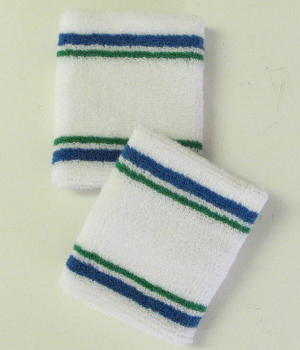
--To protect the lens of a bulky camera without keeping it in a case, try slipping an extra-wide tennis wristband over the camera lens and viewing screen. That way you can avoid scratches while putting your camera in a purse or backpack.
--Flat irons aren’t just for hair. Put it on a low setting and touch up the seams of shirt sleeves or cuffs of shorts or pants. And try using your blow dryer to take the wrinkles out of clothes. Hold it a few inches from the garment and move slightly back and forth.
--Want to know what it’s really like where we are going? Then check youtube.com. Lots of people post their vacation videos online. You’ll get a feel of what it will be like from a real person’s point of view rather than just a guidebook description. Here is an example of the Greek island of Rhodes.
--Bumpy airplane rides? I hope not, but try strong peppermints. Peppermint oil found in strong mints like Altoids is one antidote for an upset stomach.
--Another way to look at our trip. Download Google Earth, a free app for your PC or iPhone. Search for any of our destinations and get a satellite view that you can zoom in to. Some places show up fairly clear in this aerial view. Here is another example of Rhodes. Warning: Playing with Google Earth is addictive!!
--And I know this one is going to sound outrageous and I don’t know that I would do it because I would feel so conspicuous on the plane, but after spending 12 hours on the flight to and from China I know it would have worked. I read where someone took an inflatable beach ball on flight. After blowing it up, they used it to lean over and sleep on! All I could think of on that long flight was how much my back would appreciate that beach ball! There's also an inflatable neck pillow that takes up little space in baggage. I like the cushioned neck pillow. Even though it is bulkier, it is more comfortable for me. I don't pack it...I just slip it through the handles of my carryon bag.
Send me your tips!

Monday, June 29, 2009

The Smartest Tips for Travel

I'm still a firm believer in the rolling duffle. It packs more in the same space as a hard case and if you wrap breakables correctly, they'll make it back just fine. I can't wait to enjoy my wine. Also, never leave home without an iPod or major city maps. BF :)
~~~~~~~~~
Packing my outfits in bags (two shirts and one pant). Knew each day what to wear. BN :)
~~~~~~~~~
Taking the small bag and fewer clothes!! LC :)
~~~~~~~~~
I have trouble with my ears and pressure on airplanes. I used ear plugs that you put in before you take off and before you land. They are called Earplanes. You get them at Wal-Mart. They work! No trouble at all. GH :)
~~~~~~~~~
iPod- I never heard the small child on the flight to Paris. I had my iPod on. The kind of ear buds that have the rubber ends block out all noise. I also used them for the movies coming and going. I also did not hear the drunk lady on the flight from London! They were great! GH :)
~~~~~~~~~
I was very glad to have something that smelled good in my travel bag with all of the aromas that we encountered on the plane (you know, the unpleasant ones). I carry a lavender pillow on all my trips, but this time also had a small bottle of perfume that I was able to apply just a small amount of to my blanket to help block out odors that drifted my way. KS :)
~~~~~~~~~
I'm a believer in travel podcasts now! The Rick Steves one on Versailles was fabulous and followed right through all the rooms. Next time I travel I'll be looking for more podcasts...even if I have to pay for them....and that's a big step for me!!! SF :)
~~~~~~~~~
Don't forget to pack your battery charger for your camera! JM :)

~~~~~~~~~

Tie down securely that light jacket instead of draping it over your day bag. I lost my favorite Ralph Lauren jacket when it slipped off my bag without me noticing. MD :)

~~~~~~~~~

Take more than one camera. I took 3 and recommend it highly! Several of us were singing the camera blues--broken camera, dropped camera (it still works!), batteries dead, full SD cards, etc.... TAKE MORE THAN YOU THINK YOU'LL NEED because once you're "there", you'll be consumed with the beauty and you'll want pictures, pictures, and more pictures. It's nice to share photos but it makes you feel extra close to the beauty when you are the one who worked for that perfect angle. The payoff is in the memories that are at your fingertips when you get home. MD :)

~~~~~~~~~

It worked for me to have wet wipes all the time to clean my hands often. There are a lot of hands touching rails and doors, etc. and I don't like all those germs! JB :)

~~~~~~~~~

Using the 2 1/2 gallon zip lock bags for my clothes is the best thing I have done. They don't move around in the suitcase and they get less wrinkled. DL :)

~~~~~~~~~

I was one of the few holdouts with a BIG bag (just ask Gary!). Mark my words, next trip my suitcase will be smaller - maybe not as compact as Sharan's, but definitely smaller! JS :)

~~~~~~~~~

I used the "Man Bag" instead of a back pack...less bulky! GF :)

~~~~~~~~~

I wished I had brought an extra memory card and extra rechargable camera battery with me - I ran out of room on my memory card by day two - and I had to recharge my camera battery every night. BH :)

__________

Tuesday, June 9, 2009

Just a Few More Tips...


Some last minute tips...

--Keep $100 or so hidden in your wallet or a secure place for an emergency.

--Check your ATM/debit card (especially if you just got a new one) before we leave to activite it. Remember there is a transaction fee each time you use it, so in Europe avoid a lot of fees by not drawing out a lot of small amounts, but a subsantial amount at a time. It also saves time by not having to stand in the line at the ATM. Know your ATM code before you leave! Just a note: when I contacted my bank to tell them to expect foreign transactions in France and England, I found out that my ATM card is no longer accepted in Italy, although I used it there 2 years ago. Just check to make sure yours is good in the countries we are visiting.

--Wearing slide-on shoes at airport check in will save time and hassle.

--Also at the metal detectors, you may want to empty your pockets before you get there into a ziploc bag including your keys, coins, wallet, jewelry, cell phone, and belt. Just put the bag in the tray and it keeps your belongings together and speeds through security.

--Also to save time, try to print your boarding pass at home before heading for the airport. If it will not print, then try printing at the kiosk in the airport lobby. However, if you are going to check baggage, then you must go to the check in counter anyway.

--Have your boarding pass and passport ready at security...it saves time.

--Avoid the seduction of watching in flight movies all night. Hours of cinema might sound tempting, but sleep will undoubtedly prove more rewarding. We have a full day of excitement when we land in Paris. But if you do watch in flight movies, then here's what's playing...Last Chance Harvey (to Paris) and Fool's Gold (from London). Choose the month and route traveling from the drop down menu.

--During the flight do isometric exercises, eat light meals, and keep hydrated, but avoid sugary, alcoholic, or cafeinated drinks.

--Travelers to Europe can recoup a percentage of purchase price on goods in the form of value-added tax (VAT). If you are going to purchase a substantial amount, then it might be worth your while.

--Just like makeup and toiletries, carry-on food should be contained in a clear, quart-size ziploc bag if you want to zip through security. Try to get snacks in packages of 3 ounces or less. But you won't need a whole week's worth of snacks. Try those at various stops to get a more authentic taste of our destination...just imagine all the pastry shops in France!

--Don't forget an extra outfit, including toiletries, underwear, and socks in your carry-on in case of delayed baggage. And try packing one set in your roommate's bag...precautionary.

--Bring a large ziploc bag. If small items need washing, put them into the bag, add some soap (shampoo even), shake it up--holding the top closed and voila! Your own little agitator. Allow time for drying. We are in some hotels 2 nights.

--If you carry a small backpack for sightseeing on a day trip, then take twist-ties to secure the zippers together to help prevent pickpocketing.

--Remember that water is free with meals as it is in the states. If you request bottled water, wine, or soft drinks, you will be responsible for payment at all meals.
____

Tuesday, May 19, 2009

Choosing Seats on American Airlines Flights

If you would like to pre-select your seats on an American Airlines flight, follow these instructions on how to do so:
--Go to http://www.aa.com/
--On the left blue bar, click on "reservations"
--Select "my reservations" from the drop down menu
--If you have an Aadvantage account, login or click "continue without login" (the advantage is you can get frequent flyer miles with an account)
--In the "find reservations" box, type your first and last name
--Click "go"
--In the "your itinerary" box in the middle of the page, click the red "select" button for each flight
--Click on the seat you want (the number of the seat should show at the top of the page with your name)
--Click "submit"
--Under "passenger details" (if you have an Aadvantage account), type in your Aadvantage number (you get one when you create an account) and submit for your frequent flyer miles.
___

Wednesday, May 6, 2009

First Meeting Notes: Things to Remember about Travel


--This is a fast-paced sightseeing tour with a lot of planned activities with a free afternoon in Paris and a free day in London. There will be a lot of walking so be practicing! Also, this is your trip. If there is an activity on the itinerary that you do not wish to participate in, that is fine. Feel free to do something else, however you must still make sure you are able to meet the bus for departure or locate the hotel as transportation to your alternate activity is on your own. If you opt out of an itinerary activity, however, there is no refund. Just be sure you tell me if you do not plan to be with the group…otherwise we will think you are lost!
--Be prepared for crowds. But just ignore them and enjoy the sites we are longing to see.
--As group travelers, just remember it is important to be on time for departures. There is nothing worse than having to wait on people when we want every minute to spend at an activity. We must all remember courtesy…and patience. The front seats offer the best views (and great opportunities to talk one on one with the courier) so let’s all try to take turns in the front.
--One of my rules to live by when dealing with travel (or anything!)…Life happens, just roll with it. Some things we simply cannot do anything about…the weather, airline delays, road construction, the value of the Euro…we will just deal with it and consider it another thing to write home about! If there is a problem on the trip that can be rectified, let me know so I can deal with it.
--Although there are some drawbacks to group travel, there are also many wonderful aspects…making new friends, sharing experiences, no worries about where we are going to sleep or eat, having travel arrangements already made for us and tickets to attractions ready, and memories that will last a lifetime!

First Meeting Notes: Packing

One of my goals is to pack everything in a carry-on and a personal item (what most airlines say that you can carry on to a plane). My goal is not to check my baggage…if possible. Although we do not know yet which airline we will fly, I checked online with five (American, Delta, United, Air France, and British Airways) and all gave similar instructions. The carry-on should be a 45-inch bag (height + width + depth including handle, pockets and wheels) which is about 22 x 13 x 9, with a maximum weight of 40 pounds.
My bag is 22 x 13 x 7. A personal item can be a backpack, small bag, purse, laptop, or similar item. I am using a bag that fits over the handles of my rolling bag. I practice packed my bags for the trip and had everything I plan to take in these two bags. I by no means am telling you that you have to pack in this size. I’m just saying it is possible…and packing as light as possible should be your goal.
--Some tips for packing light: We will be gone for 10 days and you can wear slacks/capris for 2 days with a different shirt each day…that’s five slacks and 10 shirt. One pair I’ll wear on the plane for the first 2 days and one pair and a shirt I put in the small hand bag. My plan is NOT to check my bag, but I never know when the airline might make me, so I pack an extra set of clothes in the handbag just in case…that leaves only 3 pair of pants to go in the suitcase!
--Also in the suitcase I put a flat rolling duffel which takes up no space, but I could pull it out to put dirty clothes in and have room for souvenirs in my suitcase. That way I could check the duffel coming home (and it will fit under the bus just fine during the trip) and still carry on my suitcase.
--I put everything I MUST have (horrors…in case of lost luggage) in my handbag/backpack. I have a compact travel blow dryer (you could share one with a roommate), a curling iron (in a sock or curling holder to manage cords), electric converter and only plugs for France and England (not the entire set), medicines in original bottles (ask the doctor for smaller prescription bottles), 3-1-1 toiletry bag (instead of a quart bag, I use a clear zippered curtain valance bag the size of a quart bag…it is deeper), small disposable toiletries (many free from hotels and sample sizes…it’s crucial to downsize the toiletries to save a lot of space), and my “on-the-plane” bag (a quart ziploc bag where I have everything I need for the airplane…blow up neck pillow, earplugs, gum, toothbrush, toothpaste, ipod, earphones, book, etc.). My day bag with my digital camera inside is also stuffed inside the handbag/backpack.
--Lay out everything you think you want to take, then get your smallest suitcase and start practicing. You have to make choices, so decide what you can live without for 10 days. You’ll surprise yourself!
Even though I plan to pack with a carry-on size bag, does not mean that you have to! If you feel you need a larger suitcase, then that is your choice. Just remember that you are your own porter. Remember this when packing….KISS – Keep It Super Simple!
--NEVER put money, passport, credit cards, keys (especially keys to your car parked at the airport) in checked luggage. If it gets lost…well…!
--Do not lock your bag as the airline may need to search it; just tie the zipper ends with a twist tie to keep it shut during transport.
--You will also need a neck or waist passport pouch (some prefer a fanny pack) to keep your passport, money, and credit cards close to your body at all times. At night, put your passport pouch, money, digital camera and any valuables in your day bag and keep by your bed. In case of an emergency, you can simple grab that bag and go.
--Wear your most comfortable shoes since they are already broken in and bring a lighter pair for a spare…just in case these get wet or a shoe string breaks. Avoid bringing a pair to match every outfit or bulky shoes that take up too much space and weigh down your suitcase. And don’t bring new shoes that you’ve never worn before as there is lots of walking. You’ll regret this! You’ll have to remove your shoes at the airport so consider slip on ones there.
--Most cathedrals require you to have your shoulders and knees covered when entering (no shorts or tank tops). Consider a light weight shawl that can multi-purpose as a wrap, a makeshift skirt, a blanket on a cool bus or museum, a picnic spread, etc. Dress conservatively…there is no need to remind everyone that we are American tourists by how we look...they'll be able to figure that out without our help! There is no need to make ourselves targets.
--Pack (or wear) a lightweight waterproof jacket or umbrella.
--Add some empty trash bags and twist ties for dirty clothes (and a dryer sheet for smell!) Some pack each day’s set of clothes in 2-1/2 gallon ziploc bags and press out the air, some roll their clothes, and some iron each item to flatten them more.
--Other useful items to pack: a small compass (you may have a map of the city but have no clue which direction is north!); a journal and a couple of pens; a highlighter; individual snacks; a travel alarm clock; sunscreen. Many European hotels do not provide washcloths. Suggestions are: handiwipes, cut an old worn towel and dispose as you use, or the condensed washcloths that expand in water.
--If you pack books to read, consider garage sale paperbacks that you can trade or leave to lighten your load…but don’t pack a library! Try downloading audio books onto your ipod. You can purchase them through iTunes or download some of the classics for free. There are many sites; just search for "download free audiobooks."
--Cameras—bring plenty of film and batteries for 35mm and extra memory cards and batteries for digital cameras.
--And leave valuables at home. No need to tempt fate!

First Meeting Notes: Money

--Included in the tour are all air and bus transportation, hotel, all breakfasts and dinners, entrances to activities on the itinerary, all tips and gratuities for activities and meals.
--Not included are lunches, beverages other than water (don’t count on iced tea…and don’t ask for it! Europeans don’t drink it and rarely serve it. Water in a glass is complementary with a meal; bottled water is a fee…just like in the US). Their water comes carbonated and non-carbonated, so request “gas” or “no gas” when purchasing bottled water. Also not included are activities you choose to do personally, souvenirs, bus driver and tour director tips (these explained in earlier posting).
--France will use the Euro and England will use the British pound. I recommend having some Euro with you before we depart. There is a Thomas Cook 24-hour currency exchange machine at DFW airport. Another option is to contact your bank. My bank charges a flat fee of $40 to exchange an unlimited amount of money with 1-2 day delivery. Several friends could go together and split the fee. I do not recommend using online Travelex as I have used them before. They charge a flat fee, BUT it is considered a cash loan when purchasing it with your credit card. I had LOTS of extra fees attached to my credit card.
--Once in France, if you need extra Euro I recommend using ATM machines as they are numerous and convenient. However each time you draw money there is a fee so make as few draws as possible or it will become expensive. Credit cards are readily accepted too for large purchases. It should be simple to exchange Euro to British pounds while on the ferry, so you probably do not need to do that before leaving.
--Although I haven’t used them in years, I still carry traveler’s checks with me. They can be obtained easily at your bank, do not cost, and if lost can be traced. They are my insurance...in case the ATM eats my card!
--Precaution: Leave a copy of your traveler’s checks, passport, credit cards, etc. at home, in your luggage, and in your wallet. In case of theft, we have information to report.
--And contact your bank and credit card company to let them know there will be charges from a foreign country. If not, they may be doing their job and cut you off! It’s happened!

First Meeting Notes: Contacting Home

--Contact your cell phone company about international rates and the capability of your phone to call locally in France and England and overseas to home.
--Consider email, as Internet cafes are prevalent in Europe.
--I will be collecting your cell phone numbers by our second meeting and sharing with the group so that we can also keep in touch with each other.
--In case of flight delays on the return trip, I will also compile an emergency phone chart so we will need the name and (preferably) cell phone number of a contact person by the next meeting.

Saturday, April 11, 2009

More Photography Tips

--After stopping at a popular attraction and returning to the parking lot you are met with a sea of buses. Forget what yours looks like? At the beginning of the tour take a digital picture of the bus and the license plate. When in doubt...check your camera! This also works great if you are using a rental car.
--Show and tell: Asking for help in another country can be tricky. Create a photo album on your digital camera or cell phone of basic necessities like a bottle of water, a toilet, a taxi, stamps, etc. Show a local a picture and voila! Instant communication!
--Take a picture of the full front of each hotel and a close-up of the name of the hotel. If you forget a hotel business card, then maybe a taxi driver can get you home with the photo.
_

More Travel Tips


--Pack a small compass. It will help on those days (like London) when you are on your own reading a map. It is extremely helpful in navigating winding streets or orienting yourself once you exit a subway.
--Airports require you to pack toiletries 3-1-1...that is, only 3 ounces each of liquid toiletries in a one-quart bag and only one bag per traveler. Try using a free zippered plastic bag that a valance curtain came in when you bought it. It is about the right size but slightly deeper, holds more, and is sturdier. Use varying sizes of these bags for shoes, underwear, and any other storage need.
--European hotels do not provide washcloths and you will have to pack your own. Although thin, I cut disposable Handy Wipes in two and carry one for each day. They take up no space and I throw them away when I'm through.
--When packing the electrical adaptors for foreign countries, do not take the entire assortment. Only take the ones for France and England.
--To facilitate speed in removing and putting shoes back on during airport security, you might try one of two things. One, wear slip on sandals or flip flops to go through security and then have a pair of socks to wear on the plane. Or, if you fear your feet swelling and need to wear lace up shoes through security, try elastic laces such as Lock Laces. Check sporting goods stores.
--If you plan to check luggage and want to weigh in as light as possible, try a rolling duffle. It could take off several pounds at weigh in.
--In the hotel at night, keep your passport, money, cell phone, camera, and any other important items together in one bag by your bed. In an emergency, you can just grab the one bag and have everything you need...say in case the fire alarm goes off. Been there...done that!
--Public restrooms do not always have hand soap. Here is a good use for all those hotel size bottles of shampoo you've been saving. They work great as liquid soap. You can also buy mini bottles of hand sanitizer (but the shampoo was free!)
--Lightweight, washable, and multifunctional, a cotton sarong is an easy and practical addition to your baggage. It can serve as a swimsuit cover-up, a picnic blanket, that temporary skirt in a cathedral, an extra pillow or light blanket for the plane or bus, an emergency towel, or a tablecloth. Check out all the ways to tie a sarong on these YouTube videos.
_