Showing posts with label packing. Show all posts

Wednesday, April 1, 2015

Travel Smart--Packing Tips

Rule #1 (Actually it's the ONLY packing rule!) – Pack light! In general, you can have one checked bag and two carry-on bags, but I don’t recommend any large suitcases because you have to porter your own luggage during the tour. You should plan on one average size suitcase (rolling is your best bet) and a backpack or under the airplane seat size bag. I do not plan to check my bag but use the smaller size and carry on both bags…your call.

BAGGAGE:
--United Airlines baggage policy
--British Airways baggage policy

As required by U.S. Department of Transportation regulations, baggage service charges for your entire itinerary are determined by the marketing carrier for the first segment of your itinerary. Your originating marketing carrier is the airline whose flight number is assigned to the first segment of your itinerary.

If you plan to check a bag, it must not weigh over 50 pounds.  Anything over that will impose an
Dimensions for a carry on bag
overweight fee.  If you check a bag, one carry on bag such as a backpack or bag whose total dimensions do not exceed 45 inches (length + height  + width, such as 9x14x22 and can be stowed in the overhead bin) AND one personal item such as a purse or laptop not to exceed 36 inches (9x10x17 and can be stored under the seat).

A coat or jacket, reading material, and food bought in the airport do not count towards carry on.

If you decide not to check a bag, then your purse or laptop must be stowed in one of the two carry on bags and the same dimensions apply.  You may be surprised at what you can pack in a smaller bag and what you can live without for a short travel time!

Consider packing a day bag in your luggage, something a bit smaller to carry just the essentials you need for the day (camera, water, itinerary, notes, tissues, etc.)  You won’t want to carry a backpack full of all your toiletries and extra items around all day as all that will be stowed in the bus baggage compartment.

PACKING TIPS:
Roll clothes to save space
--roll clothes to prevent wrinkles and save space or put a day’s set of clothes in 2-1/2 gallon Ziploc bags and squeeze out the air before sealing.
--consider wearing slacks twice with different shirts each day to save space. Then 2 days clothes can be packed in one of those large Ziploc bags.
--put toiletries, camera, and a change of clothes in your carry on…going and coming.
--pack extra camera batteries and memory cards.
--prescriptions need to be in original bottles. Ask your pharmacy if they can provide you with smaller bottles with labels.  If not, transfer complete labels on larger containers to smaller ones.
--pack some extra garbage bags for dirty or wet clothes. Pack extra different sizes of Ziploc bags for a variety of reasons.
--pack easy traveling snacks (not ones that crumble or melt). Sometimes dinner or lunch is late depending on the schedule.
--consider collapsible refillable water bottles.
--keep your actual passport inside your clothes in a neck or waist pouch.  Also keep the majority of your money in this same safe place. Just take out the daily amount of cash. Also watch out for pickpockets!  Read these practical reviews on wearing neck or waist (and other) pouches.
--make sure that any day visiting a religious site that shoulders and knees should be covered (if you’re in shorts, wrap a shawl around your waist or slip on wind pants)
3-1-1 rule for carry on liquids
--always carry an umbrella or a breathable, waterproof rain jacket.
--toiletries should be packed 3-1-1….gels, aerosols, liquids in containers of no more than 3.4 ounces in only one bag that is no larger than one quart. Try to get as many in travel size as possible. This bag will need to be out and go through the security scan outside your luggage. Too many toiletries or health and beauty aids in too large sizes is the number one way to take up a lot of space in luggage.  And you only need to put liquids in this 3-1-1 bag.  Other toiletries can be packed in a separate bag in your luggage.
--wear comfortable shoes!! Don’t bring new ones you haven’t broken in yet—UNDER ANY CIRCUMSTANCES.  I don’t care how cute they look with that new jacket! Bring a spare pair in case a strap breaks or they get wet. I like Teva brand, and I've bought them on clearance racks, Ross at a discount, and on Amazon.
--pack a journal and write, write, write. Remember the fun!
--bring a light jacket…expect some cool weather.
--might even pack some light weight gloves and scarf.  Evenings could be cool.
--expect unpredictable weather…layer, layer, layer…it could be warm to downright cold—all in the same day!
--prepare for both kinds of weather and bring sunscreen also.
--avoid packing valuable jewelry. Less is more.
British type plug adaptor
--will need an electric voltage converter and a plug adaptor for the countries we are visiting as European electrical outlets are different from US. They are 220v instead of 110v. I recommend getting a universal adapter and converter kit available at Walmart or Target. View more information about plug and socket types for various countries.
--pack a travel alarm or make sure the one on your phone works. There are wake up calls, but sometimes they don’t always go through.
--wear a watch or use a phone clock to make sure you are where you need to be on time.
--share some things with roomies (i.e. hair dryer, curling irons, etc.) and save space.
--wear your most bulky shoes and pack the lighter ones.
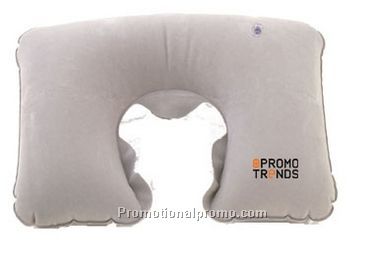
--It’s an overnight flight so try to get sleep in flight. A neck pillow really helps! There are inflatable ones that save space in luggage and those comfy, cushy ones that I just drape on the outside of my luggage handle and don't pack.
--throw in a fabric softener sheet to keep your suitcase fresh.
--pack a flat duffel or backpack that you could use as a second carry on to hold souvenirs on the return flight if you check your larger bag.
--always have some tissue in your pocket…just in case there is no toilet paper at a pit stop.
--bring your own washcloths or bath sponges.  European hotels typically do not provide washcloths.  Or you could use those disposable dish cloths and just throw them away after each use.
--don’t forget your passport, driver’s license (for another form of ID), travel documents/flight information, copies of passports (in both bags, one at home and email to yourself), and any insurance paperwork other than EF.
--information on this blog is meant to be printed and used as your travel guide, so you only need to print the parts you want. However, if you want a published guide, I recommend the Dorling-Kindersley Eyewitness Travel Guides. They are detailed, lots of pictures and diagrams, and my favorite...but they are heavy! If you are buying used travel guides, make sure the copyright date is the most current as they are updated regularly.  Here are the most recent for Scotland and Ireland.
--checked bags should not be locked for possible security checks, so use a twist tie on the flight. You can lock them during the trip. Also if you check your bag, tell the airport check-in attendant to check your bag all the way to our final destination..and then make sure the tag they attach says so BEFORE they put it on the conveyer belt!

Here are a few tips that some of you contributed:
--wear support stockings on both plane trips for circulation.  [Note: we have had a lot of people who have had problems with swollen legs and ankles.  Maybe this will help.]
--wear a comfortable OLD dress or slacks on the plane and leave at the first hotel freeing up packing space.  Spring is the time to clean out your closets!  I have had a traveler who packed all old clothes she planned to discard and just left them behind at each hotel.  She came home with a suitcase full of souvenirs!
--since it is rainy much of the time at our destinations, packing pocket disposable raincoats takes up no space and costs a $1 at the dollar store.  Toss them when you are through.  [Note: I wouldn’t leave your regular rain jacket at home, but it wouldn’t hurt to have one or two for emergencies in your backpack.]
--pack a travel size Downy Wrinkle Releaser spray.  [Note: I have had more than one person tell me it works, although I have not tried it myself.]

For additional information on packing, refer to a previous blog posting that I wrote after having a meeting for a previous tour.  It has detailed information about packing light and other tips.  You might pick up a few more packing tips from this earlier blog posting too.

Although these three Rick Steves European Travel Skills videos cover a lot more than packing, they give a lot of practical travel tips and are worth watching.  And be sure to check out Rick Steves suggested packing list.
Part 1 (24:57)
Part 2 (24:57)
Part 3 (24:57)

Here are some interesting Pinterest boards on packing:


Tuesday, June 4, 2013

June Departure Meeting Notes

GROUP TRAVEL:
--Travelling with friends is exciting, but the more that are in a group, the more personalities we have.  When travelling with a large group, remember to bring along a good attitude, thoughtfulness, flexibility, patience, and punctuality.  Our tour director makes every effort to make our tour the best possible, but sometimes there are unforeseen events that cause a slight hiccup in our tour.  Just take them in stride and know they become memorable stories later. 
--Always wear a watch set at the time of where we are.  All our destinations are 7 hours ahead of home.  When the tour director tells us to be back at the bus at a certain time or to meet at a given place at a certain time, try to heed his instructions.  One person late will cause the entire group to be late for the next activity.
--There is a “vacation” and there is a sight-seeing tour…we are on the latter!  Typically we will be gone all day when we leave our hotel after an early breakfast and often return after dinner.  It will be relatively fast paced and requires a lot of walking.  Do NOT wear brand new shoes, but do wear comfortable walking shoes that are broken in.
--Smoking is not allowed on buses, during meals, in hotel rooms, or in other shared, enclosed spaces.
--Also be conscious of over people’s allergies, such as perfumes or other strong smells.  If possible, refrain from using on tour.

PACKING:
--Refer to our previous post on packing LIGHT.  It IS possible to pack everything you need for 10 days in 2 carry-on bags. I plan to do so. Many things a person packs are really not necessary, never used, or in too large containers.  Remember you will be portering your own luggage in hotels and to and from the bus.  Try packing your suitcase and then carry it around the block a couple of times.  If it is too heavy, leave half the luggage at home and pack twice the money!
--You will be responsible for any luggage fees for too heavy or too large luggage.  Trust me, you do NOT want to carry around heavy luggage.  Remember you will need to leave space for souvenirs.
--EF recommends that medications should be brought in the original containers and clearly labelled.  Keep them always in your carry-on bag.  Never put medications in checked baggage. Request “travelling prescription medication” from your pharmacist.  These are smaller bottles with prescription labels.  I know some of you said you talked to your pharmacists and they would not accommodate you.  The Transportation Security Administration does not require pills in original containers.  Read here about how others have carried their medications. 
--Please leave valuables at home.  No need to tempt fate…or pickpockets!
--Pack toiletries, medications, camera, and an extra change of clothes in your carry-on.  Also swap a set of clothes with a rooming partner before checking luggage.  At least if your luggage is delayed you will still have your necessities and clean clothes.
--If you are checking luggage, tell them to check it all the way to Berlin.  Do NOT let the airline attendant take your bag until you see a BERLIN tag on it.
--European hotels do not provide wash cloths.  If you use them, you will need to bring your own.  Since they take up space in luggage, consider taking Handi-wipes and throwing them away when used. Also try a mini bath scrunchie that compresses easily and is reusable.
--Each of you received an EF backpack.  It is your decision whether to use it as a carry-on or not.  You are not required to use it. 
--Each of you also received 2 green shamrock fabric strips.  They are to tie onto the handles of your 2 bags.  That way we can easily tell our group’s luggage in a hotel lobby as there most likely will be other tour groups staying at the same hotel.  Our bags will also be easy to spot on the airline baggage carousel.
--After mailing the backpacks, I discovered I had extra fabric.  So everyone will receive an extra narrower strip that you can tie to your day bags.  If your bag was mailed, then I will give you an extra strip when we meet on tour.  Your choice to use it or not.
--Please refer to a previous post on bringing and using phones on tour.  Contact your service provider to purchase a one month international plan if it is important to you.  One of our travelers has called AT&T and purchased one month international service for about $30.  Here are the instructions she sent: It is only for phone calls, not texts or emails. For an iPhone: upon arrival, power the phone off and then back on.  That should reset the towers.  Go to settings > general > turn off cellular.  In settings > mail, contacts, calendars > turn off fetch new data.  She said this is to keep you from getting charged for things other than phone calls. 
--Also note in the backpack package there was an ekit calling card with 5 free minutes to call home and let them know you are having a great time.  Directions are on the card to order more minutes.  These can be used with any touch tone phone.
--Keep your passport on your body at all times, either in a neck pouch or waistband pouch with the majority of your money.  Make copies of your passport and put in your carry-on luggage and leave another copy at home.  You could also email a copy to yourself for emergencies.
--I recommend a smaller “day bag” packed in your luggage.  Pull it out to use on our daily activities to carry your camera, coin purse, water bottle, and other daily necessities…especially for getting on and off the bus.  Make it easy for yourself.  I pack my day bag with plane necessities before packing it in my carry-on.  When I board the plane, I pull this one bag from carry-on and do not need to keep opening a larger bag.  When leaving the plane, just throw it on my shoulder with no need to repack.
--With the rainy weather the area has been having recently, pack accordingly – a light jacket, a rain jacket and/or umbrella.  Also pack an extra pair of shoes in case one pair gets wet.  Wear the bulkiest ones on the plane to lighten your luggage.
--Considering the prospect of rainy weather, it would be a good idea to Scotchgard your luggage, backpack, day bag, jacket, and shoes to protect against the rain.
--Pack extra batteries, memory cards, and a camera you have practiced with already.
--If you take any electrical appliance, you may also need a voltage converter and the proper plug adaptor.  It seems all our countries use the same continental European adaptor – 2 round prongs.  If you have a more up-to-date device, it may be equipped with dual conversion already.  Look on the product to see if it reads “100v-240v”, then you only need a plug adaptor and not the voltage converter as that product runs on dual voltage.
--Do not use a traditional luggage lock on your luggage while in flight.  Use a TSA luggage lock that can be opened by security officers with a master key and will not need to be cut.  If you do not have one, use a twist tie to keep the zippers closed while in flight.  Once we get on the ground any type of lock may be used.
--Remember to cover shoulders and knees at religious sites.

FLIGHTS:
--You previously received flight and hotel information.  Print it out as it is your e-ticket for boarding the plane.  The numbers beside each person’s name are important.  Take it to the airport with you.  DON’T FORGET YOUR PASSPORT!
--The St. Louis group will be flying separately and we will all meet in Berlin for the walking tour on Tuesday afternoon.  United flies out of Lambert-St. Louis from Terminal 1, Concourse A using gates A14, A16, A18, A21.  Check periodically as the gates could change before take off.  I will leave it you ladies to decide where to meet.  If you plan on parking at the airport, you’ll find info here. Always confirm flights with the airport beforehand.
--The DFW group will meet at the gate inside the terminal.  Lufthansa is Terminal D, gates D6-D16.  Check periodically as the gate could change before take off.  If you plan to park for the duration of the trip, see this parking information.
--Plan to arrive at the airport 3 hours in advance of departure time in case of unexpected delays.  You would rather be on the inside waiting than biting your nails at the last minute hoping you don’t miss that flight on the outside of the gate. 
--Refer to this site for information on airline baggage policies. Check here for Lufthansa baggage info and here for United baggage info.  (Previously I posted that I found United charged a check bag fee, but here you can add the name of departure and arrival cities, St. Louis to Berlin, and it states the first bag is free!)
--EF cannot guarantee that all our group will be seated together and the airline will determine seating arrangement upon flight check-in.  You are not allowed to upgrade seats for our itinerary.
--I went online to see if one could choose a seat, but never found a web site for that.  You might try closer to departure time and check again.
--The DFW flight to Frankfurt is about 10 hours long, while the Frankfurt to Berlin flight is only about an hour.  There is only 1-1/2 hours layover in Frankfurt to catch the Berlin flight.  There will definitely be meals on the long flight.
--The St. Louis flight to Newark is about 2-1/2 hours with just an hour layover to get to your Berlin flight which will be about a 9-hour flight.  Meals will also be served on your long flight.
--The St. Louis group will arrive in Berlin 3-4 hours ahead of the DFW group.  Our tour director will meet the first group at the airport and may take them on to the hotel unless he is helping pick up members of another tour group between our two groups’ arrival times.
--The DFW group follows the same route home, just in reverse.  The St. Louis group is in 3 parts on the return flight: Budapest > Frankfurt > Washington DC (Dulles) > St. Louis.

HOTELS:
--The four hotels at which we will be staying in each of the four cities are also listed on the flight and hotel information sheet.  There are links to the hotels.  The first link for the hotel in Berlin does not work.  Simply do a Google search for Ibis hotels in Berlin and you will see the one with the matching address.  Three of our hotels are in the Ibis/Accor hotel chain…Berlin, Krakow, and BudapestHotel Juno is our hotel in Prague.
--Our hotels are safe, clean, and all have private bathrooms.
--Typically European hotels have smaller rooms.  Sometimes barely enough room to walk around the beds.  Be prepared for the smaller rooms…and rejoice if it is larger.
--It is common for European hotels not to be air conditioned…again rejoice if you have it.
--Elevators are typically small in European hotels, so expect long waits to get you and your luggage (sometimes that is all that will fit!) upstairs. 
--Our hotels will provide breakfast each morning.  Sometimes we have had only croissants, jam, juice, and coffee (just eat more croissants!) and sometimes we have had a feast.
--Dinners are also provided…sometimes at the hotel and sometimes in a restaurant.  Everyone will be served the same menu. That is why if you have any food allergies, it is important to let us know immediately.  Dinners are included in your program fee, but if at any time you wish to dine elsewhere, feel free to do so.  Dinner and transportation there will just be on you.
--Table water in a pitcher/carafe is free with the meal, however you are required to pay if you order bottled water, soft drinks, or wine.  The table water is safe to drink.  Do not ask for iced tea…that is an American tradition…and so is ice!  Highly unusual if we get it.
--Pack an alarm clock and use it.  The hotels may have automatic wake up calls, but my experience has been that not everybody gets them…and if they did it was not the time they needed.  You know how much time you need to get up, get ready, and have breakfast to be ready for the day.

WEATHER:
--If you are keeping tabs on the weather in our travel area, you will see quite a bit of rain lately and cooler temperatures. But if you access the weather forecast on the Weather Channel (it usually predicts longer than a week), then there seems to be some clearing in the weather and a bit warmer temps.  The heavy raining started north and is headed south so in 2 weeks we are hoping for better weather.
--That said, I would still definitely plan your wardrobe for cooler weather than we are having now.  Perhaps plan for a mix of slacks and capris.
--Also take a light jacket and/or a rain jacket just in case, and carry an umbrella for unexpected showers.
--Although the temperatures will likely be cooler there, you should still carry water and snacks while out on tour.  Meals may be later than you might expect.
--Don’t forget the sunscreen or a hat.

MONEY:
--Our tour director suggests that we have some currency in all the four countries before we arrive.  Since EF recommends allowing $50 per day, then get $100 per country.  Note that Germany and Slovakia use the Euro.  We most likely will be buying lunch in Slovakia on that long bus ride through the country.
--Since you have to arrive 3 hours early at the airport, use that time (if you have no hold ups) to go to the DFW Airport Travelex Currency Exchange Store in Terminal D, gate D24 open 7 days a week 5 a.m. – 10 p.m. OR Lambert St. Louis Airport Travelex Currency Exchange Store in Terminal 1inside US Bank open Monday – Friday 8 a.m. – 5 p.m.
--Also if you are near a large city, there are Travelex Currency Exchange Stores.  Use this site to locate the nearest store near you.  You can also place an order online or by calling 516-300-1622.  Receive free shipping on orders over $1,500.  Check exchange rates at Oanda and XE.  Travelex may cost more, but you get peace of mind by having your money when you arrive.  One traveller who has tried this already, found that a Dallas location had Euro on hand but had to order the other currencies. So save yourself a trip by calling the office first to inquire about availability, fees, and exchange rates.  If ordered it should arrive in about 2 days. The clerk also advised not to purchase the foreign currency with a credit card because it is like a cash advance.  Plan to exchange US currency for foreign currency.
--If you cannot exchange currency before departure, then you can do it when we arrive.  ATMs are everywhere and give the best exchange rate.  Just know and protect you PIN.  Be sure to contact your ATM bank and let them know to expect foreign transactions.
--US dollars can be exchanged at banks, but the lines are longer, they are not as prevalent as ATMs, and they may not be open when you need the cash.  Travellers checks are usually not recommended.
--Just before departure, check on line for current exchange rates for each country.  Make a small “cheat sheet” for corresponding US dollar amounts that you can check to see if you are getting a good deal.
--Many places will accept US credit cards.  Before you go, call your credit card company to report the countries you will be visiting so your credit card company does not put a hold on your account.
--We will be tipping our tour director and bus driver at the end of our tour.  EF recommends $6/day for tour director and $3/day for bus driver.  We will spend 9 days with each.  Please carry these in US dollars and separated $54 and $27.  Arrange for some small bills; we have had 2 different bus drivers before and needed to split our tip money between them.
--It is also customary to tip a local guide $1-$2 in local currency for a job well done, so keep some coins handy.  Your choice to tip is based on your experience on the tour.
--It is likely that we will encounter pay toilets on our trip, so keep some small coins for that.  There may be an attendant at the door and a sign for payment.
--Also if you use any type of transportation on your free time, then you will need to pay for that.

WHAT ELSE?
--Be reading up on the places we will go, so that when you see and hear about them you will have a deeper appreciation for the visit. 
--If you have bulky guidebooks, consider tearing out just the pages you will need (Rick Steves recommends this, but as a retired librarian I still cringe when I read it!) or simply copy the pages you need instead of carrying the entire book…especially since we will be in 4 major cities.


Thursday, May 2, 2013

Packing for Our Trip


Rule #1 (Actually it's the ONLY packing rule!) – Pack light! You can have one checked bag and two carry-on bags, but I don’t recommend large suitcases because you have to porter your own luggage. You should plan on one average size suitcase (rolling is your best bet) and a backpack or under the airplane seat size bag. I do not plan to check my bag but use the smaller size and carry on both bags. Your call.

BAGGAGE:
--Dallas travelers on Lufthansa may carry on one bag maximum size 22” x 15” x 9” and also carry on a personal bag maximum size 12” x 15” x 4”, such as a woman’s handbag, laptop case or shoulder bag.  Any electrical appliances such as in iPod, iPad, laptop, CD player and/or phone must be in one of the carry-on bags.  (EF backpacks are acceptable.)
--for detailed carry-on baggage information on Lufthansa, click here.
--Lufthansa allows for one free checked bag in economy class with maximum 50 pounds and 62 inches (length+width+height).
--for detailed checked baggage information on Lufthansa, click here.
--St. Louis travelers on United may carry on one bag maximum size 14” x 9” x 22” and also carry on one personal item such as a shoulder bag, backpack, or laptop bag.
--for detailed carry-on baggage information on United, click here.
--looks like the United travelers will have a $25 checked baggage fee for each leg of the flight.  You will need to be prepared to pay that at your initial airport when you first check your bag with maximum size of 62” (length + width + height) and 50 pounds.  This can be avoided if you carry on two bags as detailed above. (Note: This is based on looking at United’s web site.  If I’m wrong I will let you know.)
--for detailed checked baggage information on United, click here.
--consider packing a day bag in your luggage, something a bit smaller to carry just the essentials you need for the day (camera, water, itinerary, notes, tissues, etc.)  You won’t want to carry a backpack full of all your toiletries and extra items around all day.

PACKING TIPS:
Roll clothes to save space
--roll clothes to prevent wrinkles and save space or put a day’s set of clothes in 2-1/2 gallon Ziploc bags.
--consider wearing slacks twice with different shirts each day to save space.
--put toiletries, camera, and a change of clothes in your carry on…going and coming.
--pack extra camera batteries and memory cards.
--prescriptions need to be in original bottles. Ask your pharmacy if they can provide you with smaller bottles with labels.
--will need an electric voltage converter and a plug adaptor for the countries we are visiting as European electrical outlets are different from US. They are 220v instead of 110v. I recommend getting a universal adapter and converter kit available at Walmart or Target. View more information about electrical standards around the world.
--pack some extra garbage bags for dirty or wet clothes. Pack extra different sizes of Ziploc bags for a variety of reasons.
--pack easy traveling snacks (not ones that crumble or melt). Sometimes dinner or lunch is late depending on the schedule.
--consider collapsible refillable water bottles.
--put a copy of your passport in your bag and keep your actual passport inside your clothes in a neck or waist pouch. Also keep the majority of your money in this same safe place. Just take out the daily amount of cash. Also watch out for pickpockets!  Also leave a copy of your passport at home.
--make sure that any day visiting a religious site that shoulders and knees should be covered (if you’re in shorts, wrap a shawl around your waist or slip on wind pants)
3-1-1 rule
--toiletries should be packed 3-1-1….gels, aerosols, liquids in containers of no more than 3.4 ounces in only one bag that is no larger than one quart. Try to get as many in travel size as possible. This bag will need to be out and go through the security scan outside your luggage. Too many toiletries or health and beauty aids in too large sizes is the number one way to take up a lot of space in luggage.
--wear comfortable shoes!! Don’t bring new ones you haven’t broken in. Bring a spare pair in case a strap breaks or they get wet. I like Teva brand, and I've bought them on clearance racks, Ross at a discount, and on Amazon.
--pack a journal and write, write, write. Remember the fun!
--weather is expected to be in the low 50s to high 70s so you need to bring a light jacket.
--always carry an umbrella or a rain jacket.
--prepare for both kinds of weather and bring sunscreen also.
--avoid packing valuable jewelry. Less is more.
--pack a travel alarm. There are wake up calls, but sometimes they don’t always go through.
--wear a watch or use a phone clock to make sure you are where you need to be on time.
--share some things with roomies (i.e. hair dryer, curling irons, etc.) and save space.
--wear your most bulky shoes and pack the lighter ones.
--It’s an overnight flight so try to get sleep. A neck pillow really helps! There are inflatable ones that save space in luggage and those comfy, cushy ones that I just drape on the outside of my luggage handle and don't pack.
--throw in a fabric softener sheet to keep your suitcase fresh.
--pack a flat duffel or backpack that you could use as a second carry on to hold souvenirs on the return flight if you check your larger bag.
--always have some tissue in your pocket…just in case there is no toilet paper at a pit stop.
--bring your own washcloths or bath sponges.  European hotels typically do not provide washcloths.
--information on this blog is meant to be printed and used as your travel guide, so you only need to print the parts you want. However, if you want a published guide, I recommend the Dorling-Kindersley Eyewitness Travel Guides. They are detailed, lots of pictures and diagrams, and my favorite...but they are heavy! There is one for each of the cities we will visit: Berlin, Prague, Krakow, and Budapest. Try Half-Price Books or the used ones on Amazon.
--checked bags should not be locked for possible security checks, so use a twist tie on the flight. You can lock them during the trip. Also if you check your bag, tell the airport check-in attendant to check your bag all the way to Berlin..and then make sure the tag they attach says Berlin BEFORE they put it on the conveyer belt!

For additional information on packing, refer to a previous blog posting that I wrote after having a meeting for a previous tour.  It has detailed information about packing light and other tips.  You might pick up a few more packing tips from this earlier blog posting too.

“How to Pack for a Trip to Central Europe” is also an informative site.

Here are some interesting Pinterest boards on packing:
Pinterest: Packing Tips and Inspiration
Pinterest: Travel Tips: Packing (How and What to Pack)
Pinterest: Packing Ideas

Or better yet, repin your favorites on your own Pinterest board.

Wednesday, May 18, 2011

Packing

Rule #1 (Actually it's the ONLY packing rule!) – Pack light! You can have one checked bag and two carry-on bags, but I don’t recommend large suitcases because you have to porter your own luggage. You should plan on one average size suitcase (rolling is your best bet) and a backpack or under the airplane seat size bag. I do not plan to check my bag but use the smaller size and carry on both bags. Your call.

Tips:
--roll clothes to prevent wrinkles and save space or put a day’s set of clothes in 2-1/2 gallon Ziploc bags.
--put toiletries, camera, and a change of clothes in your carry on…going and coming.
--pack extra camera batteries and memory cards.
--prescriptions need to be in original bottles. Ask your pharmacy if they can provide you with smaller bottles with labels.
--will need an electric voltage converter and a Greece plug adaptor as Europe electrical outlets are different from US. They are 220v instead of 110v. I recommend getting a universal adapter and converter kit available at Walmart or Target. View more information about electrical standards around the world.
--pack some extra garbage bags for dirty or wet clothes. Pack extra different sizes of Ziploc bags for a variety of reasons.
--pack easy traveling snacks (not ones that crumble or melt). Sometimes dinner or lunch is late depending on the schedule.
--put a copy of your passport in your bag and keep your actual passport inside your clothes in a neck or waist pouch. Also keep the majority of your money in this same safe place. Just take out the daily amount of cash. Also watch out for pickpockets!
--make sure that any day visiting a religious site that shoulders and knees should be covered (if you’re in shorts, wrap a shawl around your waist, slip on wind pants)
--toiletries should be packed 3-1-1….gels, aerosols, liquids are no more than 3.4 ounces in only one bag that is no larger than one quart. Try to get as many in travel size as possible. This bag will need to be out and go through the security scan outside your luggage. Too many toiletries or health and beauty aids in too large sizes is the number one way to save space in luggage.
--wear comfortable shoes!! Don’t bring new ones you haven’t broken in. Bring a spare pair in case a strap breaks or they get wet. I like Teva brand, and I've bought them on clearance racks, Ross at a discount, and on Amazon.
--pack a journal and write, write, write. Remember the fun!
--weather is expected to be warm…probably very warm (OK, hot!). But it never hurts to bring a light jacket just in case. Pack a hat, light weight shirt, and sunscreen for sun protection.
--always need an umbrella or a rain jacket.
--don’t forget your swimsuit for the pool or the beach! On one of the islands, you may just opt out of excursions and enjoy a fabulous day on an exotic beach!
--avoid packing valuable jewelry. Less is more.
--travel alarm. There are wake up calls, but sometimes they don’t always go through.
--share some things with roomies (i.e. hair dryer, curling irons, etc.).
--ladies, try bringing a lightweight sarong that can double as a towel, shawl, picnic cloth, skirt, scarf, coverup, etc.)
--wear your most bulky shoes and pack the lighter ones.
--It’s an overnight flight so try to get sleep. A neck pillow really helps! There are inflatable ones that save space in luggage and those comfy, cushy ones that I just drape on the outside of my luggage handle and don't pack.
--throw in a fabric softener sheet to keep your suitcase fresh.
--pack a flat duffel or backpack that you could use as a second carry on to hold souvenirs on the return flight.
--always have some tissue in your pocket…just in case there is no toilet paper at a pit stop.
--information on this blog is meant to be printed and used as your travel guide, so you only need to print the parts you want. However, if you want a published guide, I recommend the Dorling-Kindersley Eyewitness Travel Guides. They are detailed, lots of pictures and diagrams, and my favorite...but they are heavy! There is one for The Greek Islands and one for Athens. Try Half-Price Books or the used ones on Amazon.
--bring a watch…even if you have cell phone, to make sure you are on time when you need to be.
--the cruise has a semi-formal night, so pack something nice. Men do not have to wear a jacket, just a button shirt. Ladies can wear a dress or slacks, no formal long dress is required. Also there is a Greek night so wear something blue and white that night.
--checked bags should not be locked for possible security checks, so use a twist tie on the flight. You can lock them during the trip. Also if you check your bag, tell the check in attendant to check your bag all the way to Athens..and then make sure the tag they attach says Athens BEFORE they put it on the conveyer belt!

Check out this site on what to pack for Greece.
_

Monday, June 29, 2009

The Smartest Tips for Travel

I'm still a firm believer in the rolling duffle. It packs more in the same space as a hard case and if you wrap breakables correctly, they'll make it back just fine. I can't wait to enjoy my wine. Also, never leave home without an iPod or major city maps. BF :)
~~~~~~~~~
Packing my outfits in bags (two shirts and one pant). Knew each day what to wear. BN :)
~~~~~~~~~
Taking the small bag and fewer clothes!! LC :)
~~~~~~~~~
I have trouble with my ears and pressure on airplanes. I used ear plugs that you put in before you take off and before you land. They are called Earplanes. You get them at Wal-Mart. They work! No trouble at all. GH :)
~~~~~~~~~
iPod- I never heard the small child on the flight to Paris. I had my iPod on. The kind of ear buds that have the rubber ends block out all noise. I also used them for the movies coming and going. I also did not hear the drunk lady on the flight from London! They were great! GH :)
~~~~~~~~~
I was very glad to have something that smelled good in my travel bag with all of the aromas that we encountered on the plane (you know, the unpleasant ones). I carry a lavender pillow on all my trips, but this time also had a small bottle of perfume that I was able to apply just a small amount of to my blanket to help block out odors that drifted my way. KS :)
~~~~~~~~~
I'm a believer in travel podcasts now! The Rick Steves one on Versailles was fabulous and followed right through all the rooms. Next time I travel I'll be looking for more podcasts...even if I have to pay for them....and that's a big step for me!!! SF :)
~~~~~~~~~
Don't forget to pack your battery charger for your camera! JM :)

~~~~~~~~~

Tie down securely that light jacket instead of draping it over your day bag. I lost my favorite Ralph Lauren jacket when it slipped off my bag without me noticing. MD :)

~~~~~~~~~

Take more than one camera. I took 3 and recommend it highly! Several of us were singing the camera blues--broken camera, dropped camera (it still works!), batteries dead, full SD cards, etc.... TAKE MORE THAN YOU THINK YOU'LL NEED because once you're "there", you'll be consumed with the beauty and you'll want pictures, pictures, and more pictures. It's nice to share photos but it makes you feel extra close to the beauty when you are the one who worked for that perfect angle. The payoff is in the memories that are at your fingertips when you get home. MD :)

~~~~~~~~~

It worked for me to have wet wipes all the time to clean my hands often. There are a lot of hands touching rails and doors, etc. and I don't like all those germs! JB :)

~~~~~~~~~

Using the 2 1/2 gallon zip lock bags for my clothes is the best thing I have done. They don't move around in the suitcase and they get less wrinkled. DL :)

~~~~~~~~~

I was one of the few holdouts with a BIG bag (just ask Gary!). Mark my words, next trip my suitcase will be smaller - maybe not as compact as Sharan's, but definitely smaller! JS :)

~~~~~~~~~

I used the "Man Bag" instead of a back pack...less bulky! GF :)

~~~~~~~~~

I wished I had brought an extra memory card and extra rechargable camera battery with me - I ran out of room on my memory card by day two - and I had to recharge my camera battery every night. BH :)

__________

Wednesday, May 6, 2009

First Meeting Notes: Packing

One of my goals is to pack everything in a carry-on and a personal item (what most airlines say that you can carry on to a plane). My goal is not to check my baggage…if possible. Although we do not know yet which airline we will fly, I checked online with five (American, Delta, United, Air France, and British Airways) and all gave similar instructions. The carry-on should be a 45-inch bag (height + width + depth including handle, pockets and wheels) which is about 22 x 13 x 9, with a maximum weight of 40 pounds.
My bag is 22 x 13 x 7. A personal item can be a backpack, small bag, purse, laptop, or similar item. I am using a bag that fits over the handles of my rolling bag. I practice packed my bags for the trip and had everything I plan to take in these two bags. I by no means am telling you that you have to pack in this size. I’m just saying it is possible…and packing as light as possible should be your goal.
--Some tips for packing light: We will be gone for 10 days and you can wear slacks/capris for 2 days with a different shirt each day…that’s five slacks and 10 shirt. One pair I’ll wear on the plane for the first 2 days and one pair and a shirt I put in the small hand bag. My plan is NOT to check my bag, but I never know when the airline might make me, so I pack an extra set of clothes in the handbag just in case…that leaves only 3 pair of pants to go in the suitcase!
--Also in the suitcase I put a flat rolling duffel which takes up no space, but I could pull it out to put dirty clothes in and have room for souvenirs in my suitcase. That way I could check the duffel coming home (and it will fit under the bus just fine during the trip) and still carry on my suitcase.
--I put everything I MUST have (horrors…in case of lost luggage) in my handbag/backpack. I have a compact travel blow dryer (you could share one with a roommate), a curling iron (in a sock or curling holder to manage cords), electric converter and only plugs for France and England (not the entire set), medicines in original bottles (ask the doctor for smaller prescription bottles), 3-1-1 toiletry bag (instead of a quart bag, I use a clear zippered curtain valance bag the size of a quart bag…it is deeper), small disposable toiletries (many free from hotels and sample sizes…it’s crucial to downsize the toiletries to save a lot of space), and my “on-the-plane” bag (a quart ziploc bag where I have everything I need for the airplane…blow up neck pillow, earplugs, gum, toothbrush, toothpaste, ipod, earphones, book, etc.). My day bag with my digital camera inside is also stuffed inside the handbag/backpack.
--Lay out everything you think you want to take, then get your smallest suitcase and start practicing. You have to make choices, so decide what you can live without for 10 days. You’ll surprise yourself!
Even though I plan to pack with a carry-on size bag, does not mean that you have to! If you feel you need a larger suitcase, then that is your choice. Just remember that you are your own porter. Remember this when packing….KISS – Keep It Super Simple!
--NEVER put money, passport, credit cards, keys (especially keys to your car parked at the airport) in checked luggage. If it gets lost…well…!
--Do not lock your bag as the airline may need to search it; just tie the zipper ends with a twist tie to keep it shut during transport.
--You will also need a neck or waist passport pouch (some prefer a fanny pack) to keep your passport, money, and credit cards close to your body at all times. At night, put your passport pouch, money, digital camera and any valuables in your day bag and keep by your bed. In case of an emergency, you can simple grab that bag and go.
--Wear your most comfortable shoes since they are already broken in and bring a lighter pair for a spare…just in case these get wet or a shoe string breaks. Avoid bringing a pair to match every outfit or bulky shoes that take up too much space and weigh down your suitcase. And don’t bring new shoes that you’ve never worn before as there is lots of walking. You’ll regret this! You’ll have to remove your shoes at the airport so consider slip on ones there.
--Most cathedrals require you to have your shoulders and knees covered when entering (no shorts or tank tops). Consider a light weight shawl that can multi-purpose as a wrap, a makeshift skirt, a blanket on a cool bus or museum, a picnic spread, etc. Dress conservatively…there is no need to remind everyone that we are American tourists by how we look...they'll be able to figure that out without our help! There is no need to make ourselves targets.
--Pack (or wear) a lightweight waterproof jacket or umbrella.
--Add some empty trash bags and twist ties for dirty clothes (and a dryer sheet for smell!) Some pack each day’s set of clothes in 2-1/2 gallon ziploc bags and press out the air, some roll their clothes, and some iron each item to flatten them more.
--Other useful items to pack: a small compass (you may have a map of the city but have no clue which direction is north!); a journal and a couple of pens; a highlighter; individual snacks; a travel alarm clock; sunscreen. Many European hotels do not provide washcloths. Suggestions are: handiwipes, cut an old worn towel and dispose as you use, or the condensed washcloths that expand in water.
--If you pack books to read, consider garage sale paperbacks that you can trade or leave to lighten your load…but don’t pack a library! Try downloading audio books onto your ipod. You can purchase them through iTunes or download some of the classics for free. There are many sites; just search for "download free audiobooks."
--Cameras—bring plenty of film and batteries for 35mm and extra memory cards and batteries for digital cameras.
--And leave valuables at home. No need to tempt fate!

Saturday, April 11, 2009

More Travel Tips


--Pack a small compass. It will help on those days (like London) when you are on your own reading a map. It is extremely helpful in navigating winding streets or orienting yourself once you exit a subway.
--Airports require you to pack toiletries 3-1-1...that is, only 3 ounces each of liquid toiletries in a one-quart bag and only one bag per traveler. Try using a free zippered plastic bag that a valance curtain came in when you bought it. It is about the right size but slightly deeper, holds more, and is sturdier. Use varying sizes of these bags for shoes, underwear, and any other storage need.
--European hotels do not provide washcloths and you will have to pack your own. Although thin, I cut disposable Handy Wipes in two and carry one for each day. They take up no space and I throw them away when I'm through.
--When packing the electrical adaptors for foreign countries, do not take the entire assortment. Only take the ones for France and England.
--To facilitate speed in removing and putting shoes back on during airport security, you might try one of two things. One, wear slip on sandals or flip flops to go through security and then have a pair of socks to wear on the plane. Or, if you fear your feet swelling and need to wear lace up shoes through security, try elastic laces such as Lock Laces. Check sporting goods stores.
--If you plan to check luggage and want to weigh in as light as possible, try a rolling duffle. It could take off several pounds at weigh in.
--In the hotel at night, keep your passport, money, cell phone, camera, and any other important items together in one bag by your bed. In an emergency, you can just grab the one bag and have everything you need...say in case the fire alarm goes off. Been there...done that!
--Public restrooms do not always have hand soap. Here is a good use for all those hotel size bottles of shampoo you've been saving. They work great as liquid soap. You can also buy mini bottles of hand sanitizer (but the shampoo was free!)
--Lightweight, washable, and multifunctional, a cotton sarong is an easy and practical addition to your baggage. It can serve as a swimsuit cover-up, a picnic blanket, that temporary skirt in a cathedral, an extra pillow or light blanket for the plane or bus, an emergency towel, or a tablecloth. Check out all the ways to tie a sarong on these YouTube videos.
_

Money

One of the most often asked questions is "How much money do I need to take?" And my answer is always "How much money do you want to spend?" It all depends on the person.
You will need money for lunches and beverages at dinner if you choose something other than water. And you will want money for souvenirs and any activity not included in the itinerary. For example, your free day in London includes transportation, but not entrances to attractions. Check online as some have fees.

All tour companies recommend $50 per day. Although you are may not need that much, it is better to have too much than not enough. Look at your spending and eating habits and adjust accordingly.
In France, we will use the euro, but in England we use the British pound. You can go to this currency converter to see the value of each in American dollars.

Although you can do all your money conversions in the states before we leave (a plus as it is a convenience to already have the correct currency in hand and not worry about it later), however I highly recommend you check for all possible fees when you do conversions.

For example, I have been told that the best exchange rates are at the European banks exchanging cash for cash. However a bank location may not be that convenient to our destination (i.e. attractions, hotels, restaurants) and the time to find one and make the exchange for everyone on tour is a factor, including if the bank is open when you find it.

It is also recommended that you use a credit card for good rate and there is no charge for the use. But check with your credit card company before leaving to make sure.

You can also exchange at an airport when you land, however we are usually on a tight schedule when we land and are immediately ushered to the bus. However you can usually exchange money back to American currency in the airport before leaving for home. But again it depends on the time of the plane departure and if the exchange counter is open.

One of the easiest ways is to use your ATM card and exchange money once you get to the country. ATM machines are everywhere. Your bank will charge a fee (check what it is before you go as mine is about $6), so draw out money once for the whole time you are in a country. There is a fee each time you draw, so doing it often can add up. Drawing fewer times saves money. Don't forget your PIN number!

You can also order foreign currency from many banks, but there is a larger fee. For example, my bank charges a $40 fee and has two-day delivery. For a small amount of money, that is not a good idea, but you could get all your money this way before you go or several go together and share the fee.

There is an online exchange option through Travelex which we used before a short trip this past Christmas. We wanted the convenience of having all our money before we went, but we paid dearly for it too. It was ordered using my credit card and considered a cash advance loan. There was a $15 flat fee to Travelex and interest accrued on my credit card. In the end it was not a good deal as I paid the currency company and paid the credit card...and was not expecting those hidden fees. It would have been cheaper through the bank.

It is a good idea to have some euros before landing in France just in case you want something before we get to a bank or ATM machine. I highly recommend you check around. Before you go check your bank on fees and if there is a limit to the amount you can get at one time. Also contact your credit card company and your bank to let them know there will be international transactions. If you don't, they may cut your card activity off as a precaution to you.

Bottom line: There is no way to exchange currency without a fee. Just check around for the best way for you. My preference: Take a small amount with you (I have some left over from a previous trip) and use ATMs.

And what about Traveler's Checks? I haven't actually used them in years, but I always carry some with me for insurance. You never know when your card might be rejected or (horror!) shredded by a machine or you become a victim of theft. Traveler's Checks do not cost anything and are easily exchanged back when you return.
One last tip...no, this is an order! Never, never put your money or credit cards in your luggage. Always keep them on your body in your passport pouch.
_

Thursday, January 29, 2009

Motion Sickness


If you suffer from motion sickness or just want to be prepared, consider the advice provided here by Tracy, one of our travelers who is also a pharmacist.

The most common treatments are Meclizine 12.5 or 25 mg or Dramamine, which can be bought over-the-counter or by prescription. These meds are really inexpensive (Meclizine is the cheapest). They both have to be taken every 4 to 6 hours.

I would recommend taking it about 1/2 to 1 hour before the planned excursion. The biggest problem with these medications are the side effects, which are drowsiness and dry mouth and eyes.

Depending on the person, the drowsiness could be a real problem for someone trying to enjoy a vacation. However, for the plane ride over, it might be a good thing if you're looking to catch some zzzz's!

The other option is a patch worn behind the ear called Trans-Derm Scop. It is available by prescription only. Most insurance companies do cover the medication but it does not come in a generic, so depending on your insurance it will be considerably more than the above treatments.

The patch is very small and skin colored so it's not noticable. It should be put on about an hour before the planned excursion. It works for 72 hours, which is the big plus! Also, it can cause drowsiness but I have found from personal experience that if you put it on the night before your trip, the drowsiness wears off before the next morning.

I am a fan of this medication because of personal experience. I used it on a deep sea fishing trip. About 85% of the people on the boat were hanging over the side and I was perfectly fine!

Tuesday, December 16, 2008

More Packing Tips


Here are a few suggestions for packing that will provide more space for your souvenirs on your return trip.

1. Collect old clothes throughout the year or clean out your closet before packing. Wear them on the trip and then leave them behind. It frees up space in your luggage as you go. Just leave behind a note for the maid as she might not be able to keep them if she can't prove you intended to leave them. You can do a good deed for someone in need and lighten your load. And no stinky laundry to tote around!

2. Pack a collapsible suitcase or duffel bag in your checked luggage. It doesn't take up much room and on the way home, pack the dirty laundry in it then pack your fragile souvenirs in your sturdier luggage. Or you could pack everything in a medium suitcase which then fits inside a larger suitcase. Either way, you have 2 suitcases for the return trip.

3. If you are a reader, take along old paperbacks that you don't really care about keeping. Just leave them behind as you finish reading and your luggage lightens as you go...and frees up more space.

4. Roll your clothes when you pack. They say it takes up less space in your luggage and helps prevent wrinkling. Just smooth out all the wrinkles as you roll them up.

5. Put things in other things. Stuff socks in shoes which also helps to hold the shoe in shape. Stuff underwear in nooks and crannies. Fill up up outside pockets with extra items.

6. Wear your heaviest and bulkiest items onto the plane.

7. Pack only travel size toiletries and make use of those free hotel toiletries you've collected. They are small and disposable. And bring only the essential toiletries. Some things you CAN live without for a few days!

8. Consider vacuum bags that take the air out and compress the items or use oversize ziploc bags and squeeze out excess air.

9. Leave behind anything unnecessary. Travel with the minimum. After all, you are only going to be gone just over a week!

Take a look at this Ultimate Packing List. It has some handy tips and is designed for using only a carry-on bag. Perhaps you'd like to try that this trip!

Thursday, November 6, 2008

First Aid for Travelers


Every traveler should pack a simple first aid kit that includes items that might be needed immediately when a pharmacy is not available. Avoid packing a first aid kit that takes up too much space in your luggage. Be on the lookout for travel sizes. Consider these items to include:

1. Neosporin - helps prevent infection.
2. Dramamine - helps prevent motion sickness if taken at least 30 minutes before traveling.
3. Advil - ibuprofen in Advil helps reduce pain and fever as well as relieves inflammation in muscles after a full day of walking. Tylenol does not do this.
4. Pepcid Complete - relieves heartburn by combining a stomach-acid reducer with an antacid.
5. Cortaid - soothes rashes and bug bites
6. Benadryl - for relief of hay fever symptoms as well as treatment of hives and itchy nose and throat from food allergies.
7. Insect repellent - higher concentrations of deet last longer.
8. Imodium A-D - stops symptoms of diarrhea in 30 minutes. Pepto-Bismol could take up to six hours.
9. Sunscreen - preferably SPF 15 or greater
10. Aloe gel - for sunburns
11. Antihistamine or decongestant - to relieve allergies and inflammation
12. Cough suppressant and throat lozenges
13. Mild laxative
14. Basic first-aid items (adhesive bandages, gauze, ace wrap, tweezers, round tip scissors, cotton-tipped applicators, safety pins, antiseptic wipes)

For pre-existing conditions such as diabetes or allergies, consider wearing an alert bracelet/neck tag and make sure this information is on a card in your wallet with your other documents.

Personal prescription medications need to travel in their original container and bring a copy of the prescription from your doctor in case the medication is lost. Also bring at least 50 percent more than you need. And always put prescription medication in your carry-on.

A final reminder: a first aid kit is useful only if it is available. It should be carried with the traveler at all times...in carry-on baggage when allowable and on excursions. With heightened airline security, sharp objects and some liquids and gels will have to remain in checked luggage.

Tuesday, October 7, 2008

Travel Tips from Passports #1


Note: The following is a reprint of a few tips from the Travel Tips section from Passports. It can viewed in its entirety at Passports and typing in your username and password or the group preview code farmer09 (that's a zero and nine). I will periodically post some of their tips on our travel blog for your convenience.

*Travel light, especially if you are visiting several cities! Take one SMALL carry-on bag and one medium-sized piece of baggage (wheels are essential) to be checked. We recommend that you bring only the necessities. Once you have packed your bags, pick them up and carry them for a few yards then ask yourself if you are prepared to spend the next week or so doing the same. If not, then you have over-packed! Do not lock your suitcase before a flight. Security agents may need to look inside, and may break your lock in order to do so.

*Be prepared for any kind of weather. Always pack a sweater, sweatshirt or other light, long-sleeved outerwear in case of cool evenings or cloudy days when you are traveling in the summer.

*Layers are the tops! Take a couple of close-fitting tank tops to wear under your shirts/tops, if you get a bit chilly. They will take up hardly any room in your suitcase but that extra layer will keep you cozy. Even on warm days, nights can be cold, and it's always cooler on oceans or rivers.

*Always wear a pair of broken-in, comfortable walking shoes or sneakers during the tour and on the airplane. Never take new shoes on tour.

Thursday, September 11, 2008

Weather

Wondering what the weather will be like in Paris and London in June? It appears Paris will be quite pleasant, average 72-75 degrees, with some possible cool nights. A light jacket for the evenings will be handy. Dressing in layers is always a good idea.

London's driest months are May and June, and temperature averages are around 68-71 degrees days and in the 50s at night. Again a light jacket will probably be useful. Of course, anywhere, anytime can still be rainy. Be prepared with an umbrella or hooded rain jacket.

Thursday, September 4, 2008

What to Pack...

You might consider some of these items when planning your packing:

--Lightweight weather proof jacket with hood (It's bound to rain at least once!)
--Lightweight compact umbrella (the kind that's only 6 inches long and fits anywhere)
--Neck pillow for the plane or the bus (the foam kind that takes up more packing space or the inflatable kind that takes up no room at all)
--Passport pouch or belt (one that hangs around your neck or fits around your waist and under your clothes...the important thing is that your passport, credit cards, and majority of your money are out of sight and not easy for a pickpocket to snatch)
--Digital camera with extra batteries and memory cards (the more megapixels the better and more optical zoom is better than digital zoom as it allows for better cropping and sharper images)
--Small, compact binoculars
--Good sized back pack for your carry on for the plane (this can be stowed in the luggage compartment of the bus later)
--Rolling luggage (see previous blog on this)
--Day bag or fanny pack for carrying on the bus each day (just for that day's necessities, camera, etc.)
--Compact travel hair dryer
--Voltage converters for European plugs (kit will contain the voltage converter and the various types of plugs used internationally...their electrical outlets are not like ours)
--Blank journal
--Compass (for reading a map!)
--Universal luggage lock (allows the airlines access for inspection, but keeps other prying hands out)
--Travel alarm
--Good comfortable walking shoes (I like Teva brand, especially the sandals, but anything comfortable for walking distances and multi-level ground is fine. Watch for sales and look at outlet malls....just don't bring a new pair of shoes that are not broken in!)
--Tour guide books (Dorling-Kindersley Eyewitness Travel Guides are my favorite. They are in color, have maps and building diagrams, tell the highlights of a site, etc. They are a bit pricey, so look for them in the used book section of book stores and online. There are the regular travel guides with everything and then the Top 10 guides which are smaller, lighter weight, and cheaper. Suggestions: Top 10 Paris, Paris (complete), Top 10 London, London (complete), Top 10 Normandy, and Loire Valley. (If anyone has other suggestions for travel guides, please post.)

Note: I don't advocate buying from these online stores unless they are the best buy after doing comparative shopping. The links are provided to show you what the item looks like or to provide more information.

Wednesday, July 23, 2008

Packing Toiletries

The Transportation Security Administration requires that carry on toiletries (liquid, gel, and aerosol) be limited to 3-ounce containers placed in a one quart clear zip top bag, and TSA only allows one bag per traveler. It is known as TSA's 3-1-1 and is meant to speed screening and minimize liquid volume.

Medications are not included in this and should be declared separately for inspection at the checkpoint. The zip bag of toiletries must also be placed in the bin separately during inspection. For more information on 3-1-1, then click on the left links on the above site to learn more about permitted and prohibitive items and more details on 3-1-1.

Now is the time to start shopping for those needed travel size items which are not always so readily available especially if you must use a specific brand. Be on the lookout and start stocking up now. An online resource is Minimus.biz. Here you can find all kinds of toiletry and food travel size items. They have free shipping for orders over $20.

Also check with your cosmetics provider as they sometimes have travel sizes available. For example, Mary Kay provides several travel size products as free promotionals. Also pick up the travel size toiletries at hotels where you stay. Even if you do not use that type of shampoo, you now have a disposable travel size bottle to put yours in.

If you must bring a larger size toiletry then it must be placed in your checked bag. Just remember that carrying around ALL your regular size toiletries will take up a lot of space in your bag and a lot of extra weight for you to have to carry...think small!