Showing posts with label excursion. Show all posts

Monday, June 6, 2011

Tips from ones who just visited Greece

Things we learned from our guest speakers:

1. Bring a refillable water bottle with you at all times.

2. Greece is known to take siestas in the afternoon. It is not unusual to find places closed for hours in the afternoon.

3. Greece is warm…much like Texas weather.

4. Churches and monasteries require ladies to cover shoulders and knees, but many times they provide thin draw string skirts to cover with.

5. Although the cruise ship states there will be a semi-formal night, they said that only applies to a waiter service restaurant and not all restaurants require that. They saw ladies and men in slacks (not necessarily dresses) and never saw anyone turned away. But don’t try to get in the nicer restaurant in shorts or swimsuits.

6. Photos inside churches and monasteries are not allowed. Buy postcards or books. Some museums don’t allow photography and none will allow flash. Always ask and respect their rules.

7. VAT (value added tax) is like our sales tax. If you buy something expensive (over 120 euros), then ask for a tax free checque to complete in the store and give a copy to customs on departure to get the VAT refund. Don’t bother with small purchases. You may be asked to show the goods and/or the receipt so keep it.

8. On the cruise you will give them your credit card number and use your room key to make any charges. Tap water and coffee are free, but alcoholic beverages, sodas, tea, etc. cost. If you drink a lot, then you can buy beverage cards, but they are expensive. Or you can charge an individual drink. Drinks and bottled water are cheaper on land than the ship. Bring some back with you.

9. You will leave your passport with the cruise ship when you board and get it back when you debark.

10. They said the Greek preferred the Euro (cash) over the credit card. And the Greek barter. Once they were offered a tour photo book for 20 euro, but walked off. The vendor followed them and then asked for 5 euro! Another vendor came up and offered the same book for 3 euro! Barter, barter, barter!

11. The electricity in many hotel rooms and the ship is “turned on” by putting the room key in a slot by the door. However, if you leave things to charge while you are out of the room, you must take your room key which shuts off the electricity. Leave the roomie’s room key if possible and take yours. If not, then ask for a second room key. You may not get one, but you can ask.

12. Their excursion recommendations: Did not take one in Mykonos, just walked around on their own. Their most highly recommended is the one in Kusadasi. They did both the Ephesus and the House of the Virgin Mary. On Patmos, they did the Monastery of St. John & the Grotto of the Apocalypse. They said the Tour around the island excursion only drives by these sites but does not stop. On Rhodes they did Old City and Philermos and spent half a day walking around as there is lots to see in Rhodes. On Crete, they did the Knossos Palace. They said some others on their tour did the wine tasting one but was not impressed but they couldn’t say for sure (matter of taste, it seems). They absolutely loved Santorini! They did the excursion to Oia Village. They said their tour director once did the sailing and volcano excursion but it was very hot. The choice to do any excursion is totally up to you. You don’t have to do any, but they said that the information they got from the guides was the reason they liked them so much.

Saturday, May 14, 2011

Greek Island Cruise Update

You will definitely need to go to this link – 4 Day Greek Cruise – and print it out. It is the updated cruise information for our tour with the most current prices for shore excursions and updated information about such things as dress, meals and drinks, payments on board, accommodations and amenities, and tipping.

Note that even though they will tell us the name of the ship 2 weeks prior to departure, do not be surprised if there is another ship in port. Louis Cruise Lines reserves the right to change ships but guarantees the same ship standard.

Important: cabins on the cruise ship are very small. Your room will be below deck and may not have a porthole but will have air conditioning and private bath. Everyone will be roomed in twin rooms, but don’t plan to stay in your rooms! There is much to see and do!

All meals are provided on the cruise. The above document will tell the times of each meal. Drinks are not included but price for drink packages are listed.

Dress is primarily casual but expect a semi-formal night. There will be a Greek night where everyone is encouraged to dress in blue and white. For excursions, wear comfortable walking shoes and note that bare shoulders and shorts are not permitted at religious sites.

Gratuities are not included in your cruise fee. Expect $10 per day to be added to your shipboard account for tipping of staff. This is in addition to the tips we will have for the EF tour director and the EF bus driver. Our group is a private tour and we will be the only ones on the bus, but of course we will be with others on the cruise. Currency on board is the Euro. Shipboard accounts only accept cash or credit cards.

All shore excursions are booked through the cruise line while on the ship, not EF. Note these changes/additions from previous posts with this current brochure:
1. The cruise now offers a 3-hour walking tour of Mykonos for 44 euro. Is it worth it? You can probably walk around by yourself with a guide book cheaper. But read up on it and see if you need the extra help.
2. Ephesus and the House of Virgin Mary excursion is now 65 euro (not 62). Ancient Ephesus excursion is now 62 euro (not 59). The increases are to be expected. The brochure we had when we first started was from 2 years ago.
3. Monastery of St. John and Grotto of the Apocalypse is now 51 euro (not 49). Tour of Patmos Island is now 39 euros (not 34).
4. Rhodes and Lindos ½ day excursion is now 53 euro (not 52). Old City and Philermos excursion is now 54 euros (not 47).
5. Knossos Palace excursion is now 58 euros (not 56). A Taste of Crete excursion (formerly called Panoramic Heraklion and Wine Tasting) is now 54 euros (not 52).
6. Excursion to Oia Village is now 55 euros (not 53) and the Santorini sailing and volcano is now 55 euros (not 52).

Wednesday, April 20, 2011

Ephesus, Turkey

Our visit to Turkey on the cruise is a stop at the port resort of Kusadasi on Tuesday morning from 7 a.m. until 12 noon. You may choose to stay in town and shop or perhaps spend the morning at one of the local beaches, such as Ladies Beach.

Or you can opt for one of two optional excursions to the Ancient city of Ephesus. Both excursions are the same, except one also includes a stop at a small chapel and the House of the Virgin Mary known as the house where Virgin Mary resided after the crucifixion and spent her last days. Although the site is controversial, the Vatican has sanctioned this site for pilgrimage.

A tour guide will lead us on a walking tour at the site of Ancient Ephesus which begins at the entrance through the Magnesian Gate. Here you will also see the Odeon (concert hall), the Fountain of Trajan, the steam-heated Baths of Scolastika, the Temple of Hadrian and the Latrians, and the famed Library of Celsus.

We will also visit the Great Theatre of Ephesus where St. Paul is believed by many to have preached. It is the largest theater in antiquity having a capacity of 24,000 and noted for its remarkable acoustics. From the theatre we will walk along the Arcadian Way where Mark Anthony and Cleopatra once rode in a procession as newlyweds.

On the drive back to Kusadasi, we will stop at the Basilica of St. John which was erected over his grave in the 6th century AD by the Emporer Justinian. Just downhill lies the site of the ruins of the Temple of Artemis (Diana), one of the seven wonders of the ancient world.

The temple was described by Philon of Byzantium: “I have seen the walls and Hanging Gardens of ancient Babylon, the statue of Olympian Zeus, the Colossus of Rhodes, the mighty work of the high Pyramids and the tomb of Mausolus. But when I saw the temple at Ephesus rising to the clouds, all these other wonders were put in the shade.”

Here's a tip: pronounce the town's name "koo-SHAH-dah-suh" if you want to sound like you know what you're doing. That's the correct Turkish pronunciation. (The clueless pronounce it "KOOS-uh-DASS-see.") It means "Bird Island:" kuş = bird, ada(sı) = island.

Wednesday, March 30, 2011

Wine-Tasting Optional Excursion on Crete

The second optional excursion on the island of Crete is a panoramic tour of Heraklion and a wine-tasting tour of the beautiful country south of Heraklion beginning at the Venetian lion-guarded port. The bus tour heads south of the city to the famous wine producing area of Peza through breathtaking landscapes of countrysides and vineyards as old as Minoan times. The first stop is a modern winery where you will see the updated procedures of wine making and sample some of the delicious Cretan wines. Your drive continues through rural villages to the village of Archanes, the municipality in the area. On the way, you will make a photo stop at Vathypetro to view one of the oldest farmhouses of Crete, dating to the Minoan period. The tour continues through the island’s hilly countryside where olive groves and vineyards have existed for 4,000 years. In the village of Archanes, which is 10km south of the Palace of Knossos, you will visit a quaint market town with many restored sandstone houses dating from the Turkish period. At a local tavern in the village’s tree-shaded square, you can sample an assortment of Cretan snacks and locally-produced wine. There will be free time to browse the village before the return to Heraklion and the ship. As I said in the Optional Excursions post, my friend did not have anyone on his tour take this excursion so you will need to decide if this is your kind of activity or not. I'm sure our EF guide and the cruise director can offer assistance too.

Wednesday, March 16, 2011

Palace of Knossos

One of the optional cruise excursions on Crete is a visit to the Palace of Knossos about 30 minutes from the city of Heraklion and lasts about 3 hours. We will be docked in Crete on Thursday from 7 a.m. until 11:30 a.m. The excursion costs around 56 Euros (subject to change).

Knossos was once the capital city of the prehistoric Minoan civilization and thought to be the basis for the original underground labyrinth housing the mythological Minotaur. This half-man, half-bull was born of King Minos’s wife, Pasiphae, and slain by Theseus. We will be able to visit a portion of the excavated and partially reconstructed Palace of King Minos and the surrounding area.

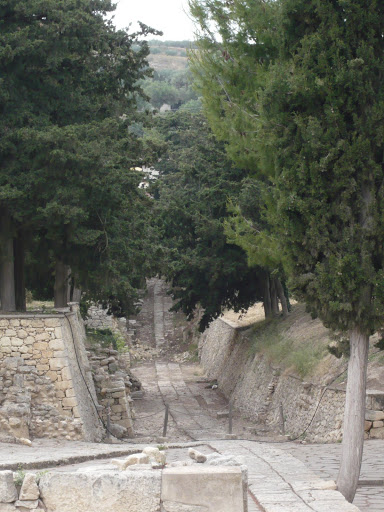
There are many palaces on the island of Crete, but Knossos is the largest and most sophisticated with over 1,000 rooms and an elaborate drainage system, flushing toilets, and paved roads. All the more amazing because this palace dates to around 1700 BC! The first palace, built around 1900 BC, was destroyed by an earthquake and these ruins date almost entirely from the rebuilding.

Unlike other Minoan sites, the Palace of Knossos was restored by Sir Arthur Evans between 1900 and 1929. Although his version of the reconstruction is controversial at best, it does give us an idea of life in the Minoan civilization.

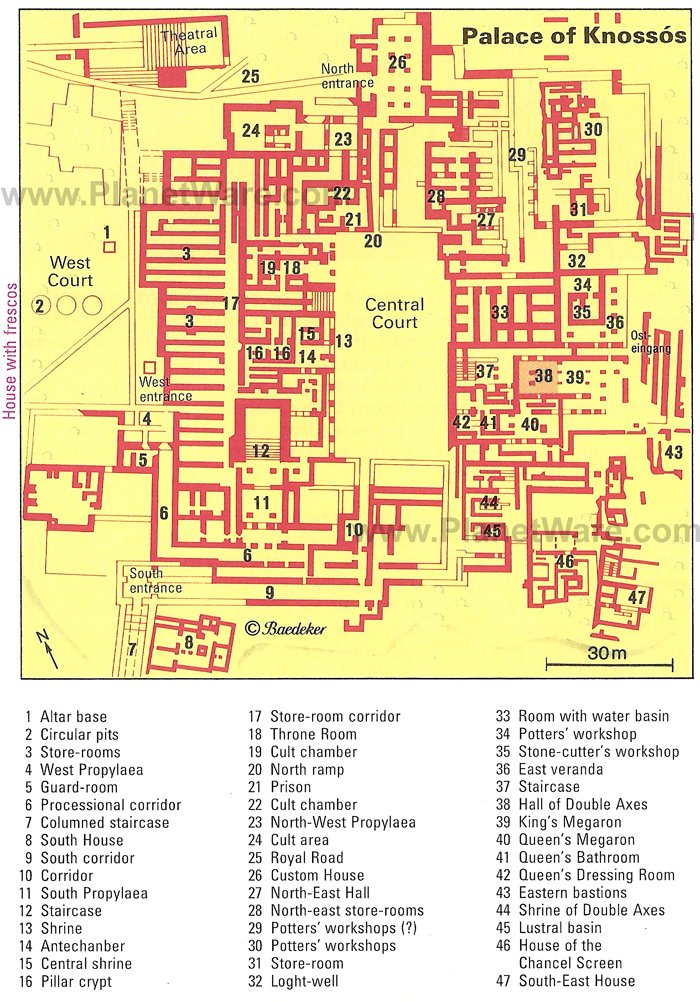
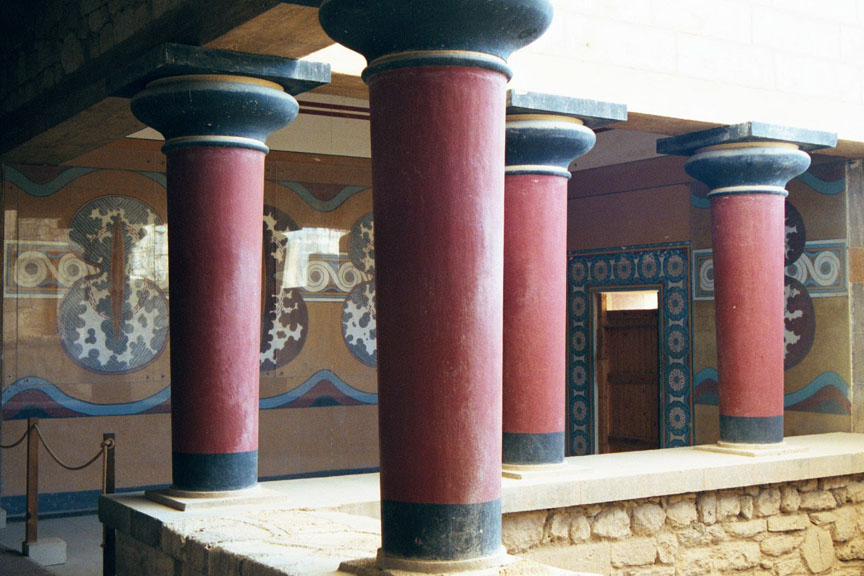
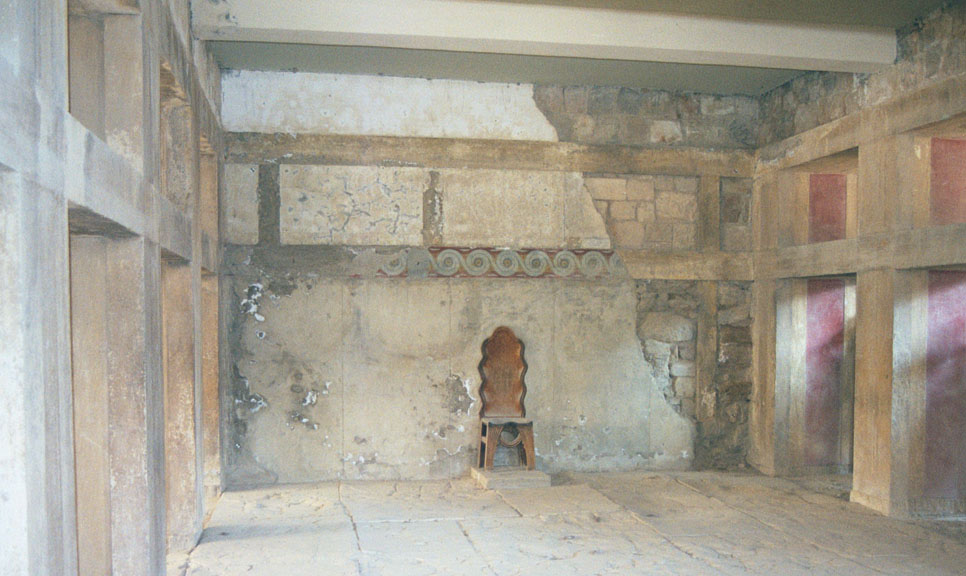
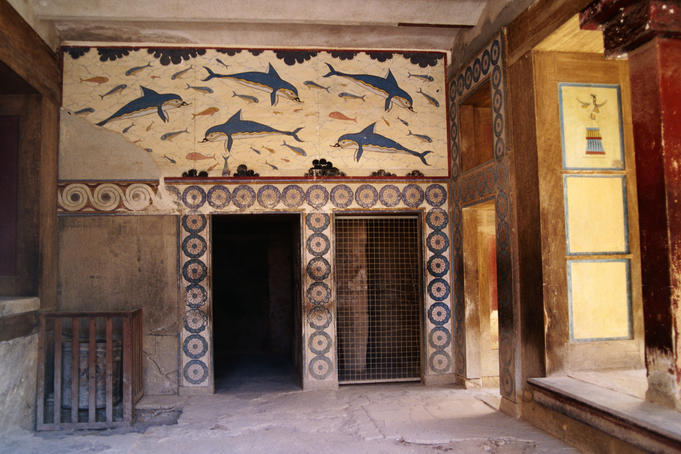
The Palace houses the Hall of the Royal Guard decorated with frescoes and shields, the Hall of the Double Axes, the King’s Chamber housing the alabaster throne amid paintings of griffins and lilies, and the Queen’s Apartment adorned with murals of dolphins and spirals reminding us of the legend of the labyrinth. The original frescoes are in the Archaeological Museum in Heraklion.

The King’s Chamber and the Queen’s Apartment may be closed due to temporary restoration but can be viewed from above. Go here for a 3D virtual reality tour. Be sure to click inside each photo to scroll around for a 360-degree view.

This is an excellent introduction video to Knossos and the part Sir Arthur Evans played in its excavation and reconstruction.

The remaining time will be spent browsing in Heraklion. Since the museum is closed for restoration until 2012, a special exhibit of its most famous holdings is available, but the entrance fee is not included in the excursion price.

If you are game to try and visit Knossos on your own, here is a site that will give you some tips.

Friday, February 18, 2011

The Island of Santorini

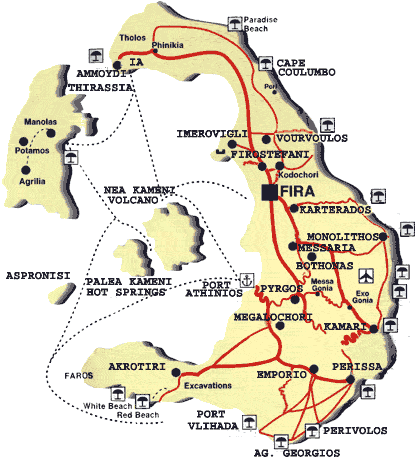
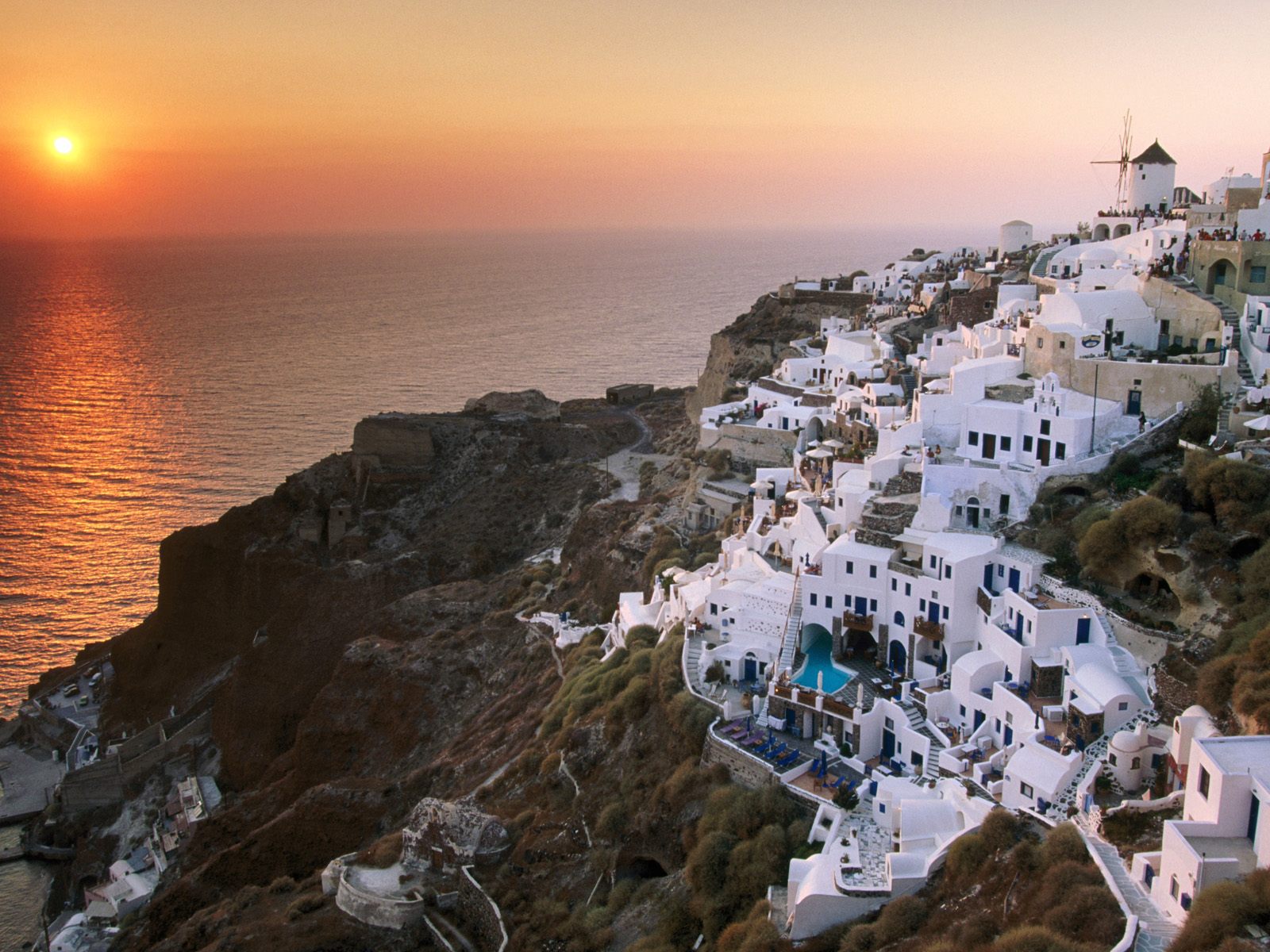
When anyone pictures the Greek islands, it is Santorini that comes to mind first with its picturesque white-washed villages and the iconic blue-domed roofs that sit precariously along the cliffs overlooking the Aegean Sea and its black sand beaches.

Santorini was settled by the Minoans in 3000 BC and in 1450 BC the volcanic island erupted with such force that it left only the present day crescent shape island. It was a circular island before the volcano blew out its middle and the tsunami it created devastated the island of Crete, another of our destinations. It is the island of Santorini that many believe is the lost kingdom of Atlantis!

Originally named Thira by the Dorians who settled here in the 8th century BC, it wasn’t until the 13th century that the Venetians coined the name Santorini after St Irene.

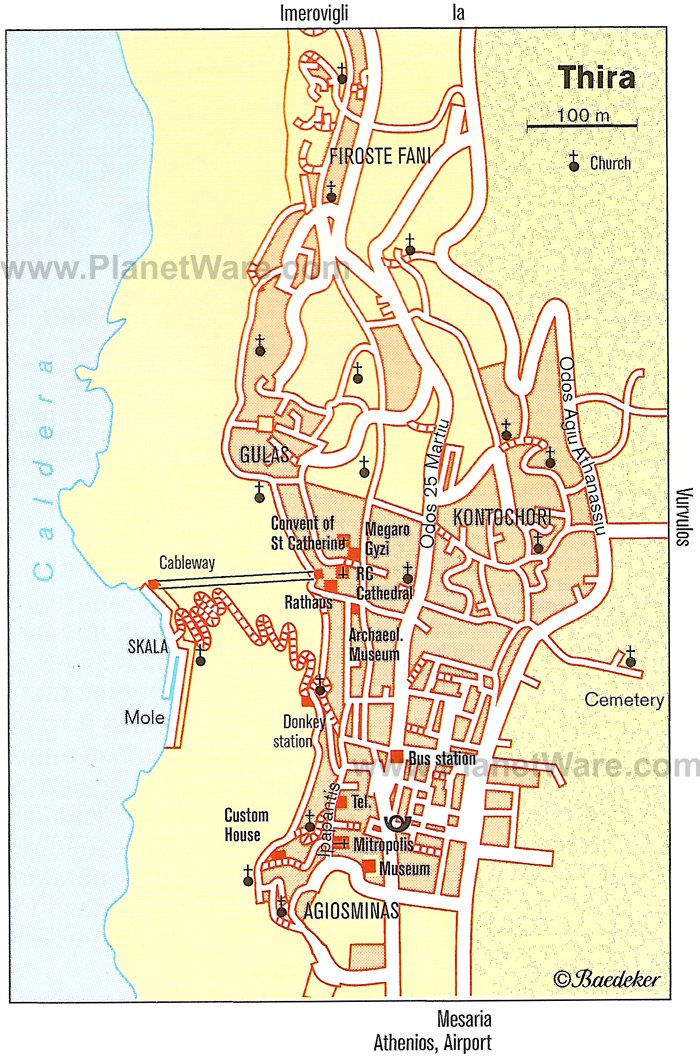
The capital city of the island is Fira, or Thira, which sits on the inside of the caldera, or crater, overlooking the tiny island of Nea Kameni. Devastated by an earthquake in 1956, it has been rebuilt, terraced into the volcanic cliffs with domed churches and barrel-roofed cave houses (skafta). Many cliffside restaurants offer stunning views of the caldera…and the amazing sunsets!

The tiny port of Skala Firon is 885 feet below Fira and is connected by a cable car (about 4 euros) or by mule (about 5 euros) up the 580 steps. Of course, you can walk up and down the steps, but you have to dodge the donkeys AND what they leave behind!

Fira is primarily a pedestrian town and its most well-known street is Agiou Mina, for it is here you will find the 18th century church of Agios Minas with its distinctive blue dome and white bell tower which have become the symbol of Santorini.

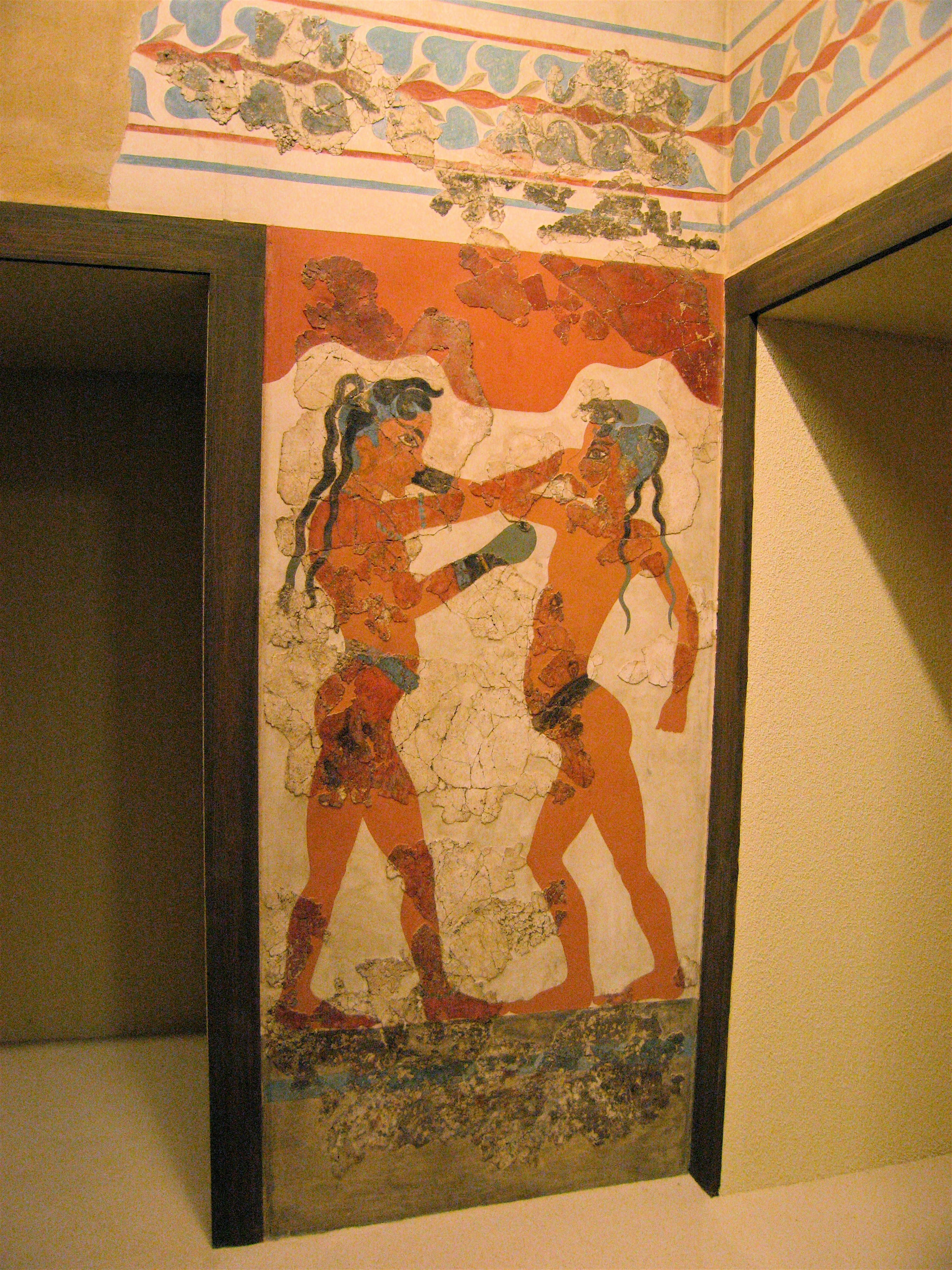
Also in Fira is the Archaeological Museum which houses the famous frescoes from Akrotiri which were remarkably preserved by volcanic ash. The best known are The Young Fisherman, depicting a youth holding yellow and blue fish, and The Young Boxers, showing two young sparring partners with long black hair and almond-shaped eyes. The murals are shown on a rotating schedule. The museum may be closed however by the time we arrive.

There are two optional excursions offered on Santorini. One is Santorini Sailing and Volcano, a smaller boat cruise around the active crater of Nea Kameni. Refer to the previous blog outlining the excursions for an in-depth description and recommendations. The other will be addressed in the next blog on Oia.

We visit Santorini on Thursday evening from 4:30-9 p.m. Enjoy this video on Santorini.

Wednesday, February 2, 2011

Rhodes revisited - Excursion to Philerimos


I noticed after looking more carefully at the optional excursions offered by the cruise line that I had neglected to tell you of another one offered on the island of Rhodes which includes Old Town Rhodes and Philerimos.

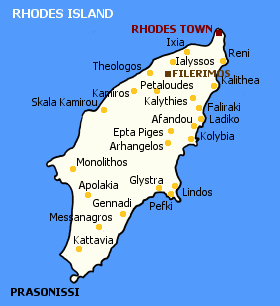
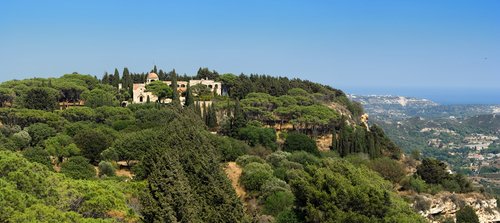
It is a 3-hour bus tour with some walking for 47 Euros (price subject to change) a short distance from Old Town Rhodes featuring a monastery set on the beautiful hillsides of Mount Philerimos (sometimes spelled Filerimos).

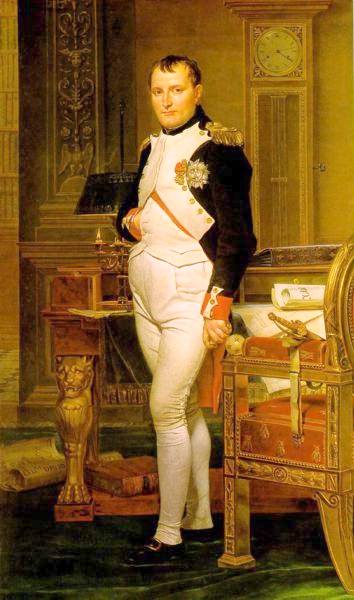
The tour drives along the medieval walls west of town to Mount Smith, the acropolis of Rhodes which offers panoramic views of the city and harbor. It is named for the English Admiral Sir Sidney Smith who kept watch from there for Napoleon’s fleet in 1802. It is also known as Agios Stephanos.

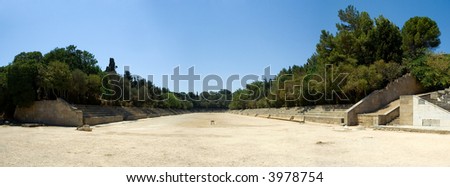
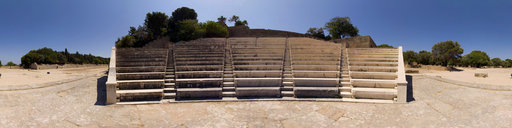
The hill is the site of a 3rd century BC city featuring a stadium, acropolis, and small theater, or odeion, built in an unusual square shape. Only three columns remain of the mighty Temple of Pythian Apollo. Nearby are the ruins of temples to Athena Polias and Zeus Poliefs.

The summit of Philerimos a short drive away is the next stop on this excursion, and is the site of Ialyssos, one of the three ancient cities of Rhodes. Among the cypress and pines sits the restored Byzantine Church of Our Lady of Philerimos, a complex of four chapels; the main one built in 1306 leads to the other three. The innermost chapel has a Byzantine floor decorated with a red mosaic fish.

The Italians erected a Calvary from the entrance of the monastery in the form of an avenue with the Stations of the Cross illustrated on plaques. On the headland stands a giant 59-ft. cross.

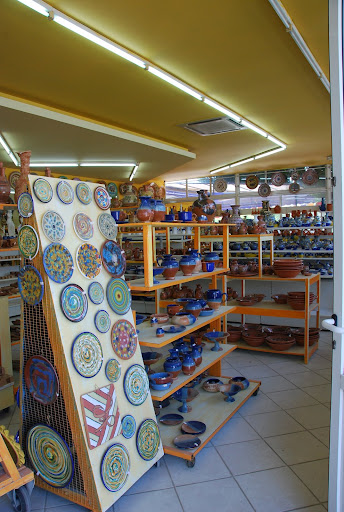
This tour concludes with an easy and flat walking tour of Old Town Rhodes and a stop at a ceramic workshop.

Wednesday, December 1, 2010

Optional Cruise Excursions

In the last blog I wrote of one of the optional excursions offered by Louis Cruise Lines on the island of Patmos, so I decided now would be a good time to highlight each of the excursions you will have an opportunity to take. Then when I write about a specific island I’ll again mention the excursion and you will have a better idea of whether to purchase that option or not.

At the end of each excursion, I will put in parentheses the opinion offered by my friend who took this same cruise last spring. Remember that it is his opinion only. You will make you own decision based on information you read before the trip and hopefully the recommendations of our EF tour guide. My goal is simply to inform you and give you something to think about.

Also note that I will give you the most recent cost of each excursion and that the cost may change by the time we sale. These excursions are not offered by EF and can only be purchases on the cruise.

MYKONOS
Due to the afternoon arrival, no optional excursion is offered. We are free to wander around the island on our own.

RHODES (2 optionals)
**Rhodes and Lindos half day (4-1/2 hours; 52 euros) – 45 minute drive by bus along the coastline to Lindos; strenuous uphill climb to the Temple of Athena; time for shopping in the village; drive back to city of Rhodes for a walking tour; short stop at ceramic shop.
**Old City and Philerimos (3 hours; 47 euros) – bus drive along medieval Rhodes walls to harbor once protected by Colossus of Rhodes; drive across island to Philerimos; visit Byzantine Church of Our Lady of Philerimos and free time; return to Rhodes for guided walking tour; visit Grand Masters Palace. (His opinion: He doesn't recommend either tour but seeing Rhodes on your own.)
U
CRETE (2 optionals)
**Palace of Knossos (3 hours; 56 euros) – 30 minute bus drive to Knossos; guided visit to part of the excavations of the prehistoric Minoan civilization Palace of King Minos and the Queen’s Apartment; drive to city of Heraklion; free time shopping in town. Note the King’s Palace and Queen’s Apartment might be closed due to temporary restoration but can be viewed from above…we’ll ask on the ship if they know. Also areas of the Archaeological Museum are open in June but entrance is not included in excursion. (His opinion: he was not that excited about Crete, but another history buff on his tour loved it.)
**Panoramic Heraklion and Wine Tasting (4 hours; 52 euros) – bus drive to wine producing area of Peza through scenic landscapes; visit modern winery; to village of Archanes to visit tavern and wine tasting; photo stop at oldest farmhouse on Crete; drive through4,000 year old olive groves and vineyards. (No one on his tour took this excursion.)

SANTORINI (2 optionals)
**Island Tour and Oia Village (3-1/2 hours; 53 euros) – by bus uphill to view Caldera passing through small villages to unique village of Oia; guided walk through village; free time on own; guided walk to capital town of Fira; free time on own; return to pier of Scala by cable car or mule. (His opinion: He went on his own but only got to see Fira. A member of his group rented a 4-wheeler and rode to Oia. Oia is THE blue domed white washed buildings that you see in all the pictures, so if you want to see it all you may want to opt for this excursion.)
**Santorini Sailing and Volcano(3-1/2 hours; 52 euros) – cruise around the active crater of Nea Kameni islet; guided walk to the top of the volcanic island; swim in the warm waters; sail to harbor and drive by bus to Fira town; free time on own; use ticket to ride cable cars or mules down to Scala pier. Note descending Fira on mule can be uncomfortable as mules lean forward at considerable angle. Walking down, the steps are littered with droppings…and strong odor. It’s a strenuous uphill/downhill walk. (His opinion: Avoid the sailing. The short time you are on Santorini only affords time for one excursion. If you sail, you cannot visit Oia.)

PATMOS (2 optionals)
**Monastery of St. John and Grotto (2 hours; 49 euros) – bus drive to village of Chora; strenuous walk uphill to monastery; tour church and treasury; bus drive to Grotto of the Apocalypse; free time in village. (His opinion: do not need excursion for Patmos. Rent a taxi to grotto. He has visited the monastery but saw only a few interesting items.)
**Tour Around the Island (2-1/2 hours; 34 euros) – scenic bus drive through Chora and its windmills; visit new convent of Evangelismos; drive around island to village of Kambos and treated to refreshment.

KUSADASI (2 optionals)
**Ephesus and the House of the Virgin Mary (3-1/2 hours; 62 euros) – bus drive to city of Kusadasi along the coast to Mount Koressos; visit small chapel of Virgin Mary; drive to ancient Ephesus; guided walking tour includes Odeon, Fountain of Trajan, Baths of Scolastika, Temple of Hadrian and the Latrians, Library of Celsus, and Great Theatre where St. Paul preached; walk along the Arcadian Way; view grave of St. John and Temple of Artemis (Diana) on return to Kusadasi; free time. Includes walking at certain sites.
**Ancient Ephesus (3 hours; 59 euros) – same as above but without stop at the chapel of Virgin Mary. (His opinion: Without question, the tour of Ancient Ephesus is a must.)

For a detailed itinerary of the entire tour, click here.

Wednesday, November 17, 2010

Patmos: The Monastery of St. John

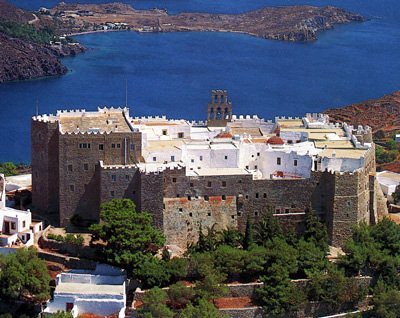
The Monastery of St. John is located near the village of Chora on the isle of Patmos was founded in 1088 by the monk Christodoulos the Blessed in honor of St. John the Divine, author of the book of Revelation. Although it looks like a fairy tale castle with its buttresses and towers, it was actually built as a religious fortress to protect the treasures that lie within.

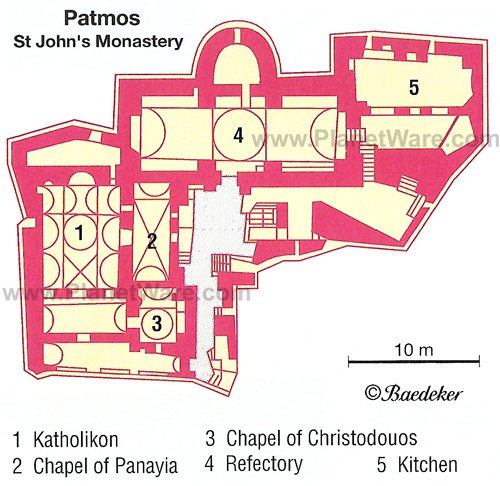
The treasury contains over 200 icons, 300 pieces of silverware, books and manuscripts, medieval textiles, and a remarkable collection of jewels. One of the masterpieces is the 12th century Icon of St. John which is housed in the katholikon, or the monastery’s main church.

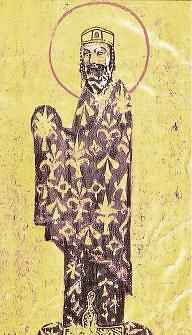
Also contained in the treasury is the Chrysobull, the monastery’s foundation deed from 1088. It was sealed in gold by the Byzantine Emperor Alexios I Comnenos.

The monastery boasts 18th century frescoes of St. John in the main courtyard, but the 12th century Hospitality of Abraham is one of the most important frescoes found in the chapel of the Panagia where it had been painted over. It was discovered after a 1956 earthquake.

The main entrance to the monastery has slits for pouring boiling oil over pirates and invading Turks. This 17th century gate leads to the cobbled main courtyard.

The Chapel of the Holy Cross is one of ten chapels in the monastery. Church law forbade celebrating Mass more than once a day in the same chapel. Other notable chapels include the Chapel of John the Baptist and the Chapel of St. Christodoulous.

The monks’ refectory has two marble tables taken from the Temple of Artemis, which once stood on this site.

The Niptir Ceremony celebrated on Maundy Thursday during Orthodox Easter is one of the most important ceremonies on Patmos. The abbot of the monastery publicly washes the feet of 12 monks, re-enacting the Biblical story of Christ washing the feet of the 12 apostles before the Last Supper. The ceremony was once performed by Byzantine emperors as an act of humility.

Modest dress is required and shoulders and knees must be covered. There is a strenuous uphill climb to reach the site.

According to our itinerary, we visit on Tuesday afternoon from 4-9 p.m. and the monastery is open from 8 a.m. -1 p.m. and from 4-6 p.m. Admission to the monastery is free, but costs 6 euros to visit the treasury. Chora is 2.5 miles from the port of Skala.

A visit to the monastery and the Cave of the Apocalypse is one of the optional excursions offered by the cruise line for 49 euros. It lasts 2 hours and includes transportation to Chora in an air-conditioned bus. There will still be the climb to the monastery by foot.

Another experienced EF group leader who took the Greek Isle cruise last spring does not recommend paying for an optional excursion on Patmos. His recommendation is to take a taxi for a few euros to the Cave of the Apocalypse (what he claims is the most interesting part of the island.)

He says that he has been to the monastery and that it has some interesting things, but would save his euros for something else. I offer you his advice in addition to your own reading about the monastery so that you can make your own decision on the optional excursions. There is another excursion offered on Patmos…but that is a future blog.

Try watching this YouTube video about the Monastery of St. John. That long document is the Chrysobull...the only picture I could find of it!