Showing posts with label islands. Show all posts

Tuesday, July 15, 2014

Loch Lomond, Scotland

Ever hear that familiar tune…but not quite sure of the song lyrics or the origin of the song?  Well, take a listen here.  Hummmm… “the bonnie, bonnie banks of Loch Lomond.”

This traditional Scottish song was first published in 1841 in Vocal Melodies of Scotland (Roud No. 9598).  Although the original author of the song is unknown, one of the many interpretations of the lyrics alludes to the Jacobite Uprising in 1745.  Perhaps a prisoner awaiting death (the low road) is writing to a friend who lives (the high road). An old Celtic belief is that a person who dies outside his country will return in death (And Ah'll be in Scotlan' afore ye).

Regardless of the meaning, the song has been sung by numerous artists over the years, and the familiar tune has been used countless times. Even the University of Notre Dame Marching Band’s baritone horn section plays the song at the beginning of every home game.

By yon bonnie banks an' by yon bonnie braes
Whaur the sun shines bright on Loch Lomond
Whaur me an' my true love will ne'er meet again
On the bonnie, bonnie banks o' Loch Lomon'.
Chorus:
O ye'll tak' the high road, and Ah'll tak' the low road
And Ah'll be in Scotlan' afore ye
Fir me an' my true love will ne'er meet again
On the bonnie, bonnie banks o' Loch Lomon'.
'Twas there that we perted in yon shady glen
On the steep, steep sides o' Ben Lomon'
Whaur in (soft) purple hue, the hielan hills we view
An' the moon comin' oot in the gloamin’.
Chorus
The wee birdies sing an' the wild flouers spring
An' in sunshine the waters are sleeping
But the broken heart it kens, nae second spring again
Tho' the waeful may cease frae their weeping.
Chorus

Loch Lomond
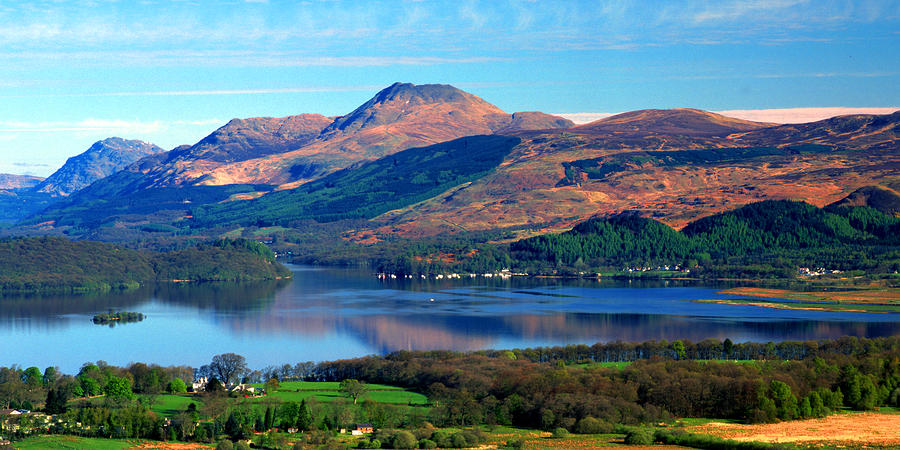
Loch Lomond” in the song refers to Loch (or Lake) Lomond, a majestic freshwater lake in Scotland that crosses the Highland Boundary Fault.  It is the largest inland stretch of water in Great Britain and is part of the Loch Lomond and the Trossachs National Park system.

The 25-mile long lake is narrow and deep at its northern stretch and bound by steep-sided mountains including Ben Lomond. Its southern end widens up to reveal an island-studded panorama.

The lake has over thirty islands, depending on the water level.  Inchmurrin is the largest, and Inchconnachan is home to a colony of wallabies.  Several of the islands appear to be crannogs, artificial islands built in prehistoric periods.

The Trossachs refers to the wooded glens that surround the lochs found in the area.  Sir Walter Scott’s 1810 poem The Lady of the Lake popularized the area with tourists by including several place names in the poem.  Shortly after, he wrote his 1817 historical novel Rob Roy, whose exploits in the Trossachs led to the area being called “Rob Roy Country.”
Village of Luss, Scotland
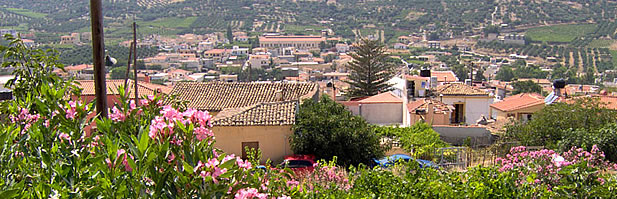
 And speaking of the “bonnie banks” of the lake, look for the beautiful little village of Luss on the western shore of Loch Lomond.  A village has been in this location since medieval times and the pretty little sandstone and slate cottages complete with roses rambling up the sides of each one makes for a “bonnie” sight indeed.

Now if you’d like to see the big screen version of the song combined with stunning images of Loch Lomond, watch Legend of Loch Lomond which retells the story behind the song.  Originally set for IMAX, this short film (38 minutes) can be seen for free on Hulu (although it has several commercial breaks.)   It is also available on Netflix. 


Saturday, May 14, 2011

Greek Island Cruise Update

You will definitely need to go to this link – 4 Day Greek Cruise – and print it out. It is the updated cruise information for our tour with the most current prices for shore excursions and updated information about such things as dress, meals and drinks, payments on board, accommodations and amenities, and tipping.
Note that even though they will tell us the name of the ship 2 weeks prior to departure, do not be surprised if there is another ship in port. Louis Cruise Lines reserves the right to change ships but guarantees the same ship standard.

Important: cabins on the cruise ship are very small. Your room will be below deck and may not have a porthole but will have air conditioning and private bath. Everyone will be roomed in twin rooms, but don’t plan to stay in your rooms! There is much to see and do!

All meals are provided on the cruise. The above document will tell the times of each meal. Drinks are not included but price for drink packages are listed.

Dress is primarily casual but expect a semi-formal night. There will be a Greek night where everyone is encouraged to dress in blue and white. For excursions, wear comfortable walking shoes and note that bare shoulders and shorts are not permitted at religious sites.

Gratuities are not included in your cruise fee. Expect $10 per day to be added to your shipboard account for tipping of staff. This is in addition to the tips we will have for the EF tour director and the EF bus driver. Our group is a private tour and we will be the only ones on the bus, but of course we will be with others on the cruise. Currency on board is the Euro. Shipboard accounts only accept cash or credit cards.

All shore excursions are booked through the cruise line while on the ship, not EF. Note these changes/additions from previous posts with this current brochure:
1. The cruise now offers a 3-hour walking tour of Mykonos for 44 euro. Is it worth it? You can probably walk around by yourself with a guide book cheaper. But read up on it and see if you need the extra help.
2. Ephesus and the House of Virgin Mary excursion is now 65 euro (not 62). Ancient Ephesus excursion is now 62 euro (not 59). The increases are to be expected. The brochure we had when we first started was from 2 years ago.
3. Monastery of St. John and Grotto of the Apocalypse is now 51 euro (not 49). Tour of Patmos Island is now 39 euros (not 34).
4. Rhodes and Lindos ½ day excursion is now 53 euro (not 52). Old City and Philermos excursion is now 54 euros (not 47).
5. Knossos Palace excursion is now 58 euros (not 56). A Taste of Crete excursion (formerly called Panoramic Heraklion and Wine Tasting) is now 54 euros (not 52).
6. Excursion to Oia Village is now 55 euros (not 53) and the Santorini sailing and volcano is now 55 euros (not 52).

Wednesday, March 30, 2011

Wine-Tasting Optional Excursion on Crete

The second optional excursion on the island of Crete is a panoramic tour of Heraklion and a wine-tasting tour of the beautiful country south of Heraklion beginning at the Venetian lion-guarded port. The bus tour heads south of the city to the famous wine producing area of Peza through breathtaking landscapes of countrysides and vineyards as old as Minoan times. The first stop is a modern winery where you will see the updated procedures of wine making and sample some of the delicious Cretan wines. Your drive continues through rural villages to the village of Archanes, the municipality in the area. On the way, you will make a photo stop at Vathypetro to view one of the oldest farmhouses of Crete, dating to the Minoan period. The tour continues through the island’s hilly countryside where olive groves and vineyards have existed for 4,000 years. In the village of Archanes, which is 10km south of the Palace of Knossos, you will visit a quaint market town with many restored sandstone houses dating from the Turkish period. At a local tavern in the village’s tree-shaded square, you can sample an assortment of Cretan snacks and locally-produced wine. There will be free time to browse the village before the return to Heraklion and the ship. As I said in the Optional Excursions post, my friend did not have anyone on his tour take this excursion so you will need to decide if this is your kind of activity or not. I'm sure our EF guide and the cruise director can offer assistance too.

Wednesday, March 16, 2011

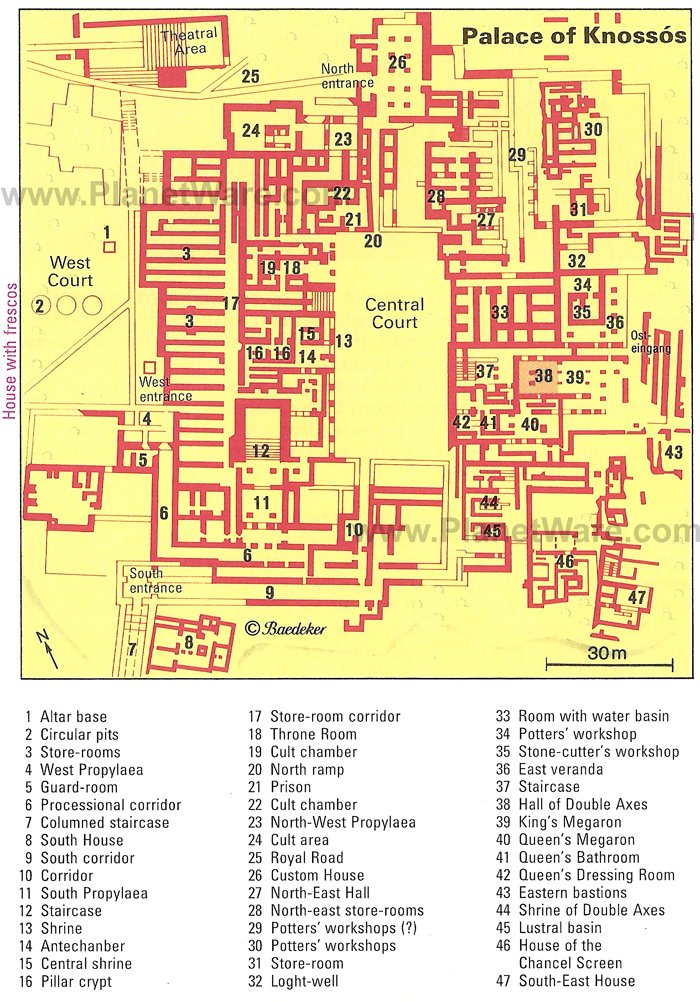
Palace of Knossos

One of the optional cruise excursions on Crete is a visit to the Palace of Knossos about 30 minutes from the city of Heraklion and lasts about 3 hours. We will be docked in Crete on Thursday from 7 a.m. until 11:30 a.m. The excursion costs around 56 Euros (subject to change).

Knossos was once the capital city of the prehistoric Minoan civilization and thought to be the basis for the original underground labyrinth housing the mythological Minotaur. This half-man, half-bull was born of King Minos’s wife, Pasiphae, and slain by Theseus. We will be able to visit a portion of the excavated and partially reconstructed Palace of King Minos and the surrounding area.

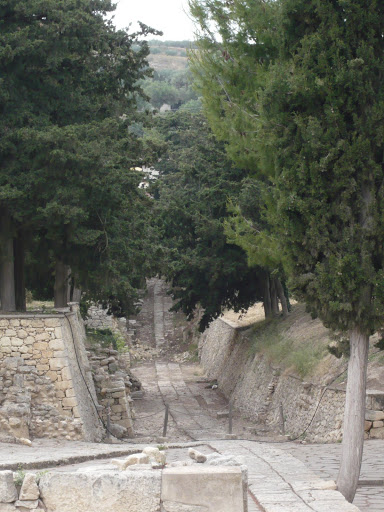
There are many palaces on the island of Crete, but Knossos is the largest and most sophisticated with over 1,000 rooms and an elaborate drainage system, flushing toilets, and paved roads. All the more amazing because this palace dates to around 1700 BC! The first palace, built around 1900 BC, was destroyed by an earthquake and these ruins date almost entirely from the rebuilding.

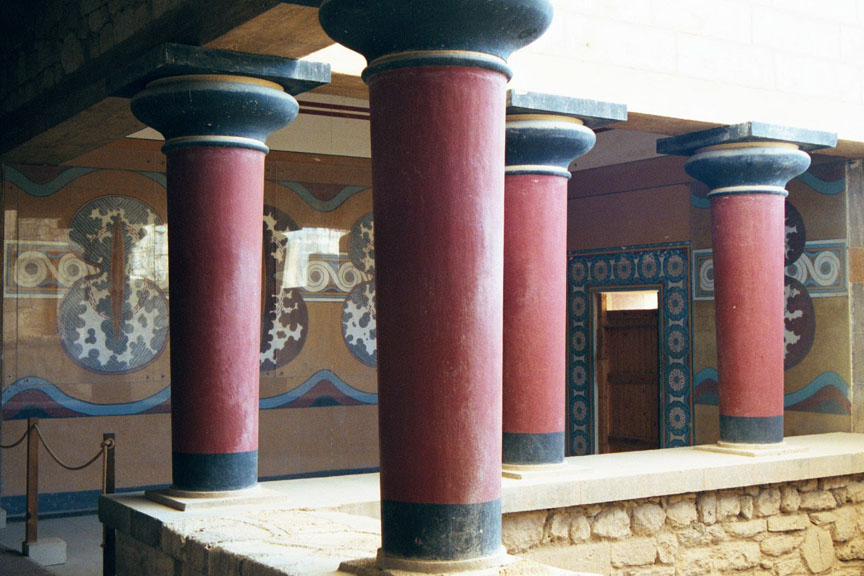
Unlike other Minoan sites, the Palace of Knossos was restored by Sir Arthur Evans between 1900 and 1929. Although his version of the reconstruction is controversial at best, it does give us an idea of life in the Minoan civilization.

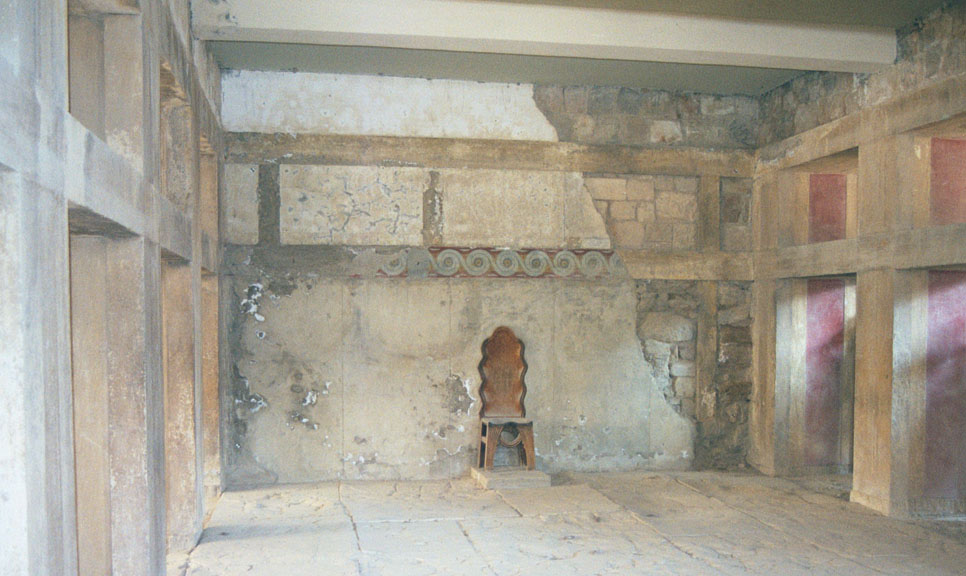
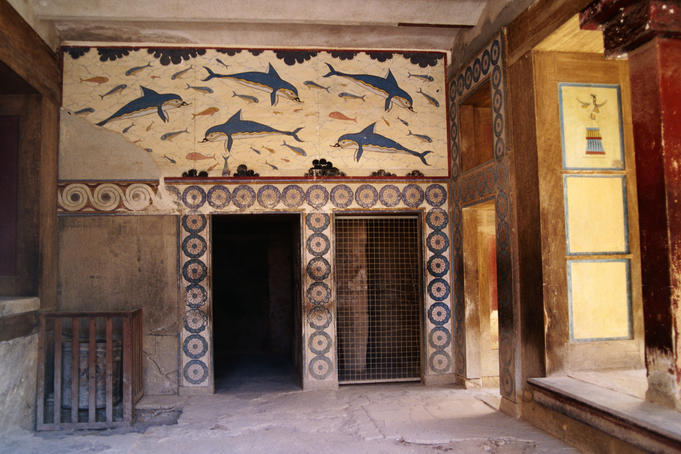
The Palace houses the Hall of the Royal Guard decorated with frescoes and shields, the Hall of the Double Axes, the King’s Chamber housing the alabaster throne amid paintings of griffins and lilies, and the Queen’s Apartment adorned with murals of dolphins and spirals reminding us of the legend of the labyrinth. The original frescoes are in the Archaeological Museum in Heraklion.

The King’s Chamber and the Queen’s Apartment may be closed due to temporary restoration but can be viewed from above. Go here for a 3D virtual reality tour. Be sure to click inside each photo to scroll around for a 360-degree view.

This is an excellent introduction video to Knossos and the part Sir Arthur Evans played in its excavation and reconstruction.

The remaining time will be spent browsing in Heraklion. Since the museum is closed for restoration until 2012, a special exhibit of its most famous holdings is available, but the entrance fee is not included in the excursion price.

If you are game to try and visit Knossos on your own, here is a site that will give you some tips.

Wednesday, March 9, 2011

The Island of Crete

One of our island stops is on the island of Crete at the port of Heraklion from 7 a.m. til 11:30 a.m. – a 4½ hour stop. You will be free to roam around the city of Heraklion on your own or opt to take one of two excursions provided through the cruise line. One is to the Palace of Knossos and the other is the Panoramic Heraklion and Wine Tasting tour.

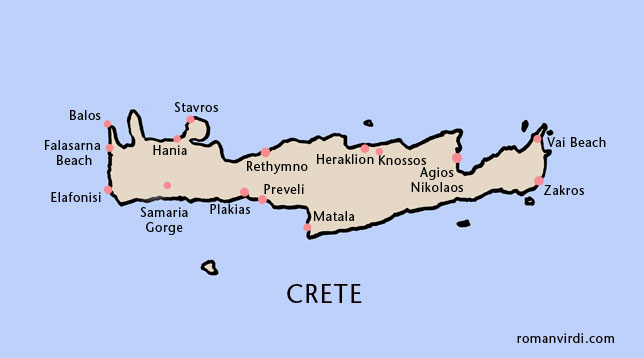
Crete is one of the largest islands in the Aegean Sea…and one of the most rugged. It is also home to the Minoan civilization which lay buried for nearly 3,000 years until Sir Arthur Evans discovered this archaeological wonder. Magnificent palaces at Knossos, Phaestos, Malia, and Zakros show just how sophisticated the Minoans were.

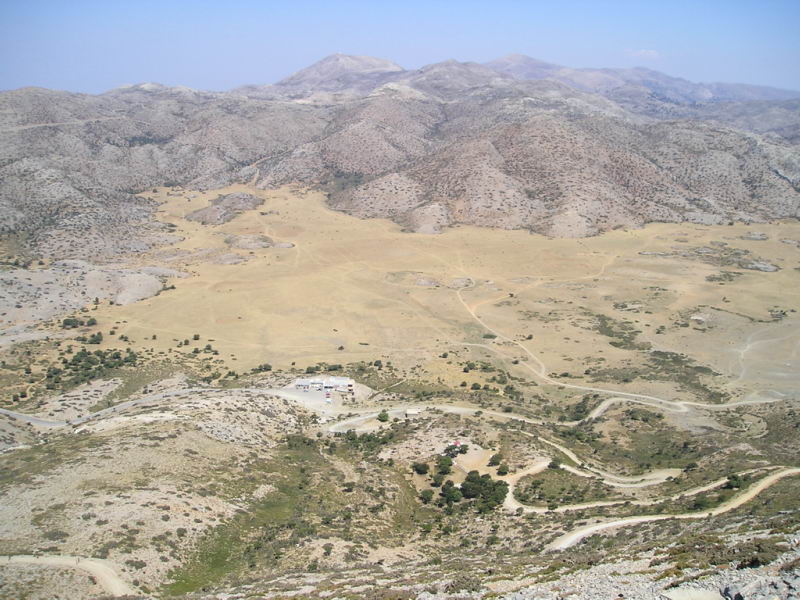
Over the centuries, the island fell under the rule of the Romans, Byzantines, Venetians, Ottoman Turks, and finally Greece. The most southerly of the Greek islands, four great mountain ranges traverse the island which stretches from east to west.

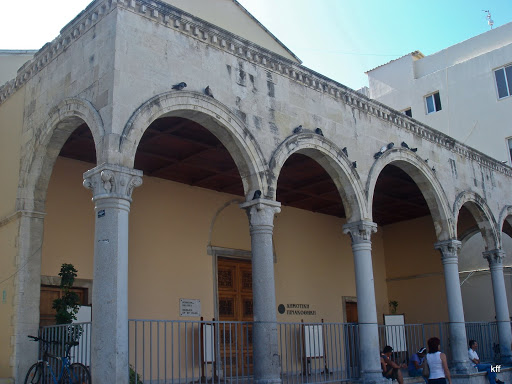
Crete’s capital of Heraklion (or Irakleio) lies on the northern coast and is famous for its Archaeological Museum which houses the world’s greatest collection of Minoan art including the famous frescoes from Knossos and the Phaestos Disc, which has yet to be deciphered.

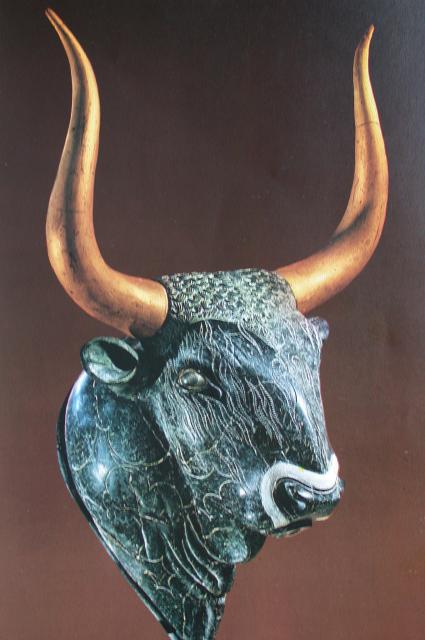
The museum, which began in 1883, also houses such great works as the Snake Goddess, Bull’s Head Rhyton, the Minoan Double Axe, the golden bee pendant, and the Bull Leaper.

The museum has been closed for renovation since 2006 and is scheduled to reopen in 2012, however a temporary exhibit of its most famous artifacts is in a building nearby. We will visit on Thursday and the museum is open from 8 a.m. – 7 p.m.

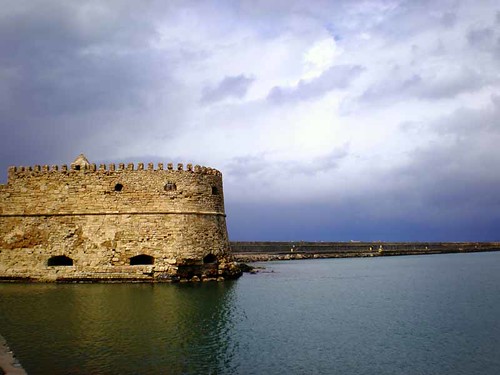
Heraklion’s harbor is dominated by a vast Venetian fortress of Rocca al Mare and Crete’s Historical Museum is on the waterfront. Housed here is El Greco’s View Mt. Sinai and the Monastery of St. Catherine, his only painting in Crete. El Greco, whose real name is Dominikos Theotokopoulous, was born in Crete in 1545.

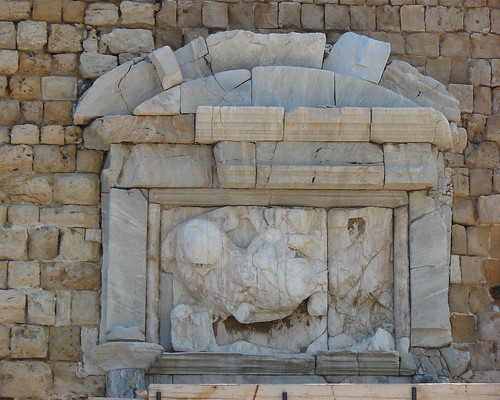
Also in Heraklion is the Plateia Eleftheriou Venizelou, a pedestrian zone with cafes and shops around the Morosini fountain. Facing the square is the restored Venetian church Agios Markos built in 1239 and now used for concerts. Also of note is the headless Roman statue that graces the 16th century Bembo Fountain. A place to stop for coffee!

Here's a 360 view of the port of Heraklion. This video is in Greek (I think!) but the pictures give you a good overview.

Wednesday, February 23, 2011

Oia Village

One of the optional excursions available while on the island of Santorini is called Island Tour and Oia Village (about 53 euros). My friend has recommended this tour if you want to see both the capital of Fira (or Thira) and Oia.

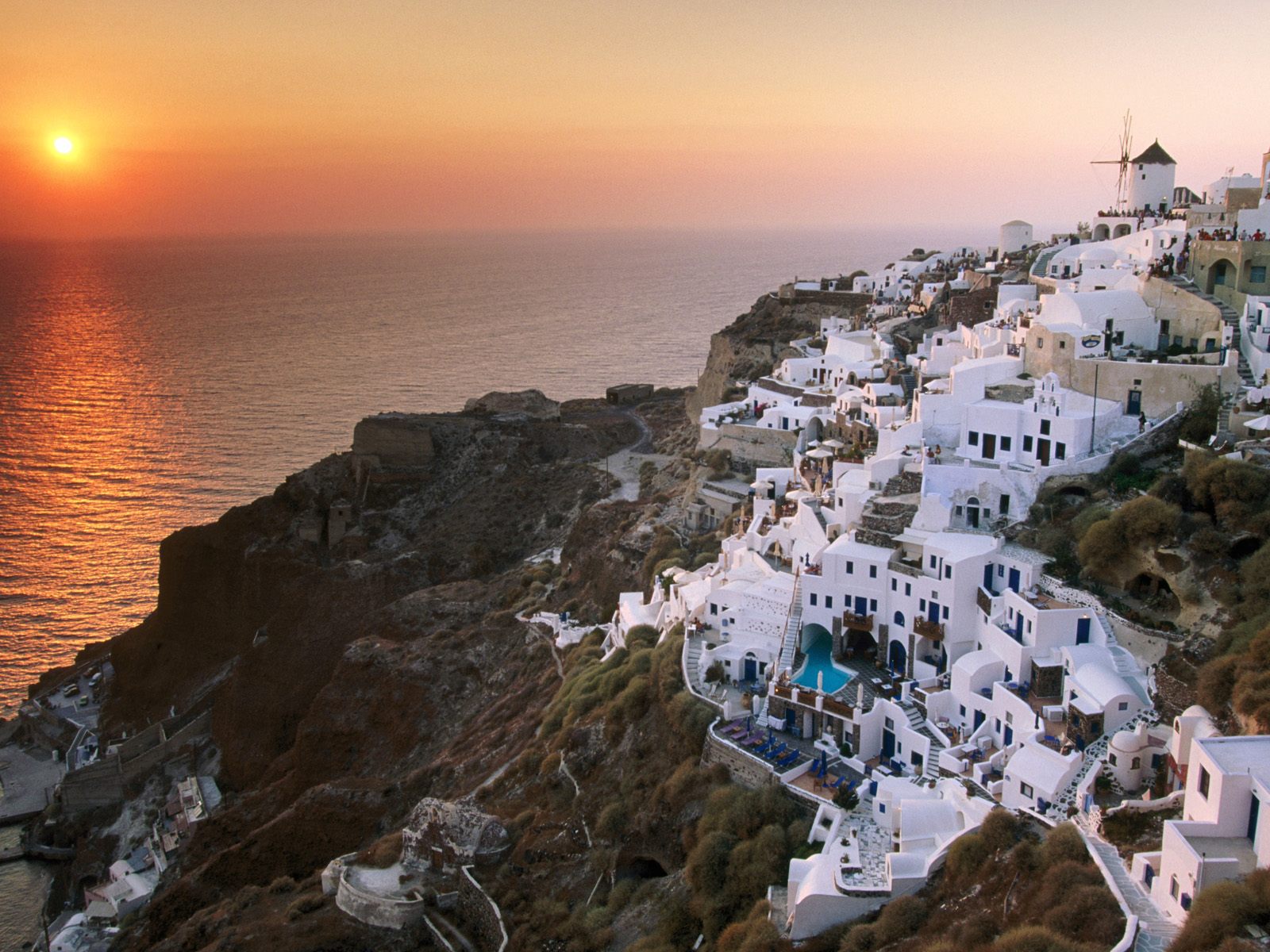
Located at the northern tip of the island, perched on the cliffside, sits the typical Greek island village of Oia which is famous for its spectacular sunsets. There are several really neat videos on YouTube that show just that. The cliffs get really crowded at sundown!

Since we will be on Santorini from 4:30 – 9 pm, I am not sure which town (Oia or Fira) we will be in for sunset. That’s a question for our tour guide.

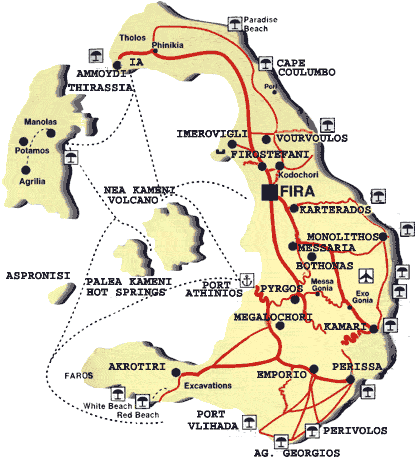
The excursion takes us by boat to Athenios Harbor, where we then travel by bus on one of the most winding roads in the Cyclades. Oia is the island’s third port and was quite the commercial center before damage from the 1956 earthquake.

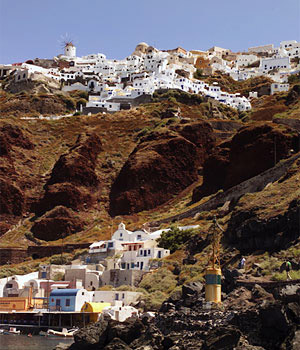
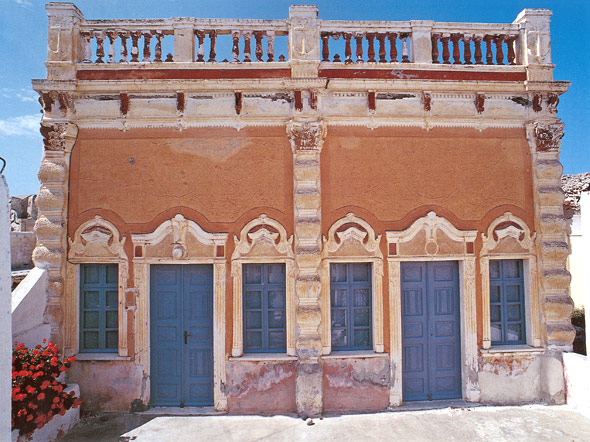
Reconstructed after the earthquake, Oia is well-known for its beautiful architecture –white and pastel-colored houses with red pebble walls clinging to the cliffs, Venetian sea captains' mansions, skafta cave houses, and blue-domed churches. A restored 19th century mansion houses the Naval Maritime Museum.

Staircases lead down to Ammoudi fishing harbor with its floating pumice stones and red pebble beach which boasts a tradition of boat building.

Oia was used for several scenes in the movies The Sisterhood of the Traveling Pants, parts I and II.

This video is a good overview of the village of Oia.

Friday, February 18, 2011

The Island of Santorini

When anyone pictures the Greek islands, it is Santorini that comes to mind first with its picturesque white-washed villages and the iconic blue-domed roofs that sit precariously along the cliffs overlooking the Aegean Sea and its black sand beaches.

Santorini was settled by the Minoans in 3000 BC and in 1450 BC the volcanic island erupted with such force that it left only the present day crescent shape island. It was a circular island before the volcano blew out its middle and the tsunami it created devastated the island of Crete, another of our destinations. It is the island of Santorini that many believe is the lost kingdom of Atlantis!

Originally named Thira by the Dorians who settled here in the 8th century BC, it wasn’t until the 13th century that the Venetians coined the name Santorini after St Irene.

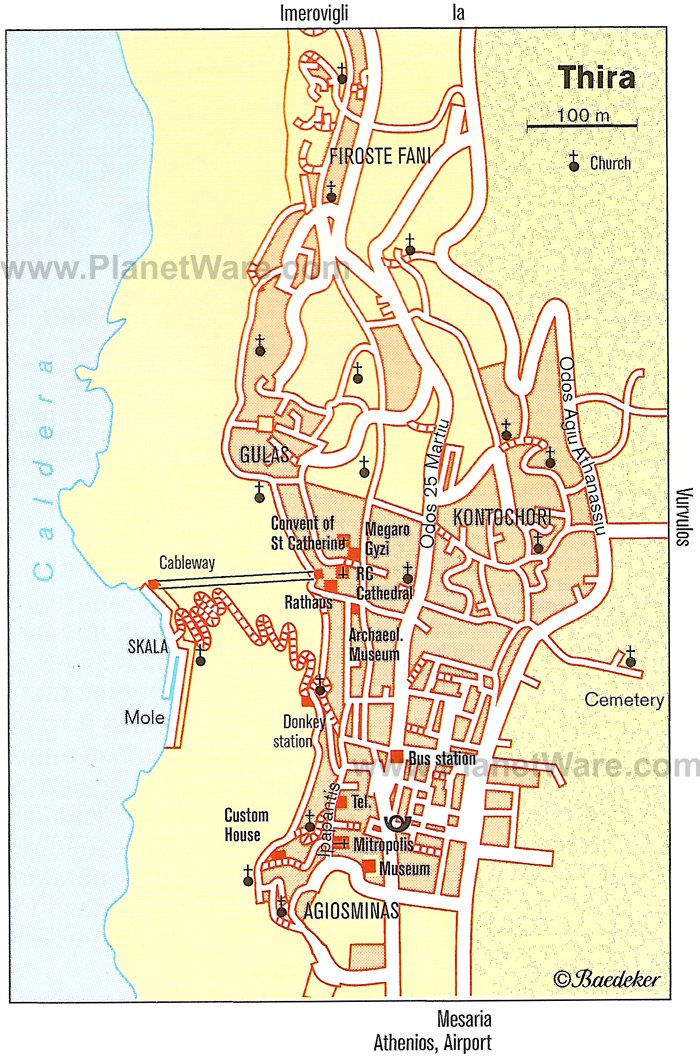
The capital city of the island is Fira, or Thira, which sits on the inside of the caldera, or crater, overlooking the tiny island of Nea Kameni. Devastated by an earthquake in 1956, it has been rebuilt, terraced into the volcanic cliffs with domed churches and barrel-roofed cave houses (skafta). Many cliffside restaurants offer stunning views of the caldera…and the amazing sunsets!

The tiny port of Skala Firon is 885 feet below Fira and is connected by a cable car (about 4 euros) or by mule (about 5 euros) up the 580 steps. Of course, you can walk up and down the steps, but you have to dodge the donkeys AND what they leave behind!

Fira is primarily a pedestrian town and its most well-known street is Agiou Mina, for it is here you will find the 18th century church of Agios Minas with its distinctive blue dome and white bell tower which have become the symbol of Santorini.

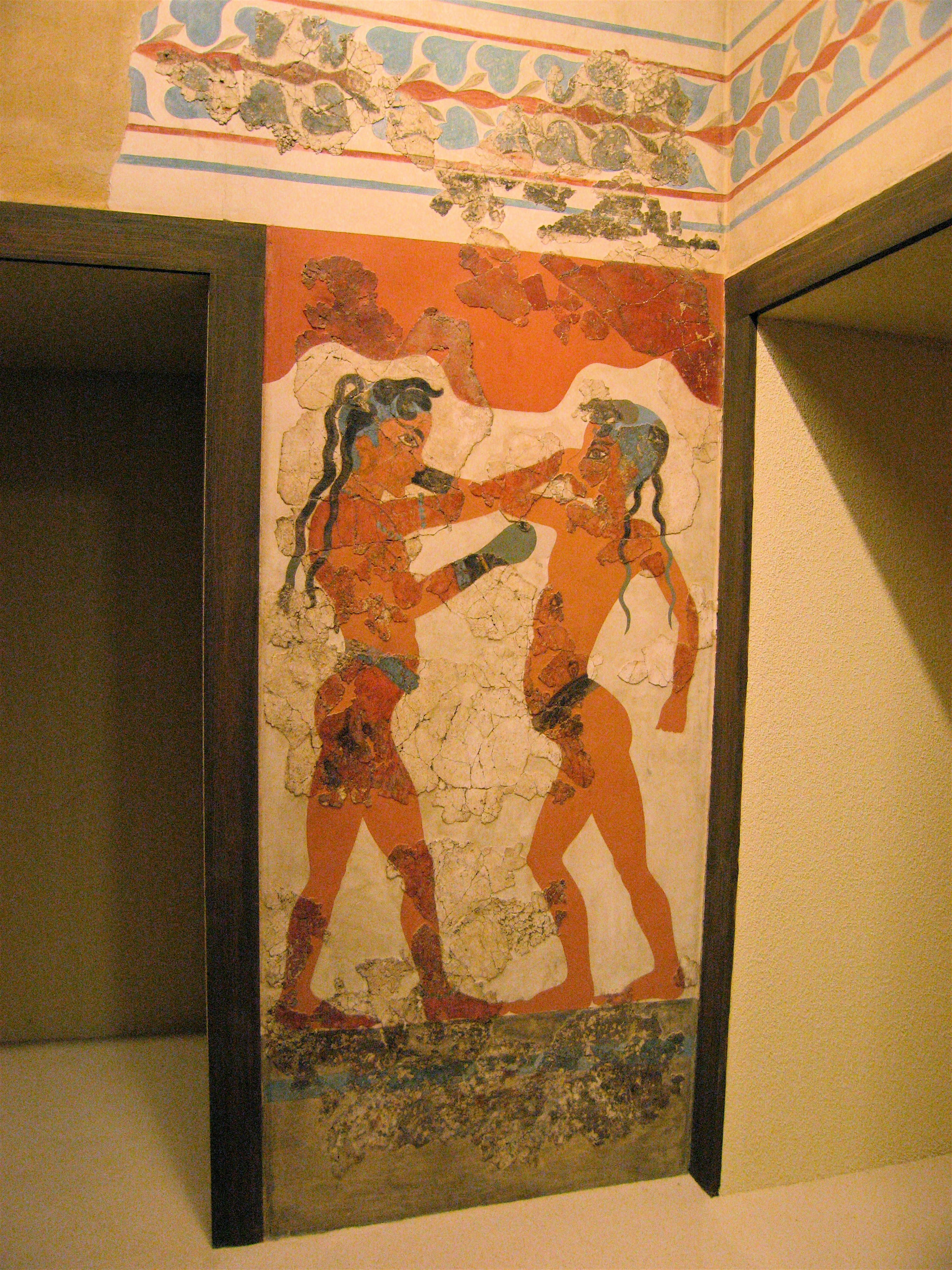
Also in Fira is the Archaeological Museum which houses the famous frescoes from Akrotiri which were remarkably preserved by volcanic ash. The best known are The Young Fisherman, depicting a youth holding yellow and blue fish, and The Young Boxers, showing two young sparring partners with long black hair and almond-shaped eyes. The murals are shown on a rotating schedule. The museum may be closed however by the time we arrive.

There are two optional excursions offered on Santorini. One is Santorini Sailing and Volcano, a smaller boat cruise around the active crater of Nea Kameni. Refer to the previous blog outlining the excursions for an in-depth description and recommendations. The other will be addressed in the next blog on Oia.

We visit Santorini on Thursday evening from 4:30-9 p.m. Enjoy this video on Santorini.

Wednesday, January 26, 2011

Mykonos

Our first stop on the cruise is Mykonos from 6 p.m. until 11 p.m. on Monday evening. The island is best known for its sandy beaches and nightlife, which is probably the reason for the late visit. Because of the short 5-hour stay, there is no optional excursions offered here leaving plenty of time to soak up the local culture.

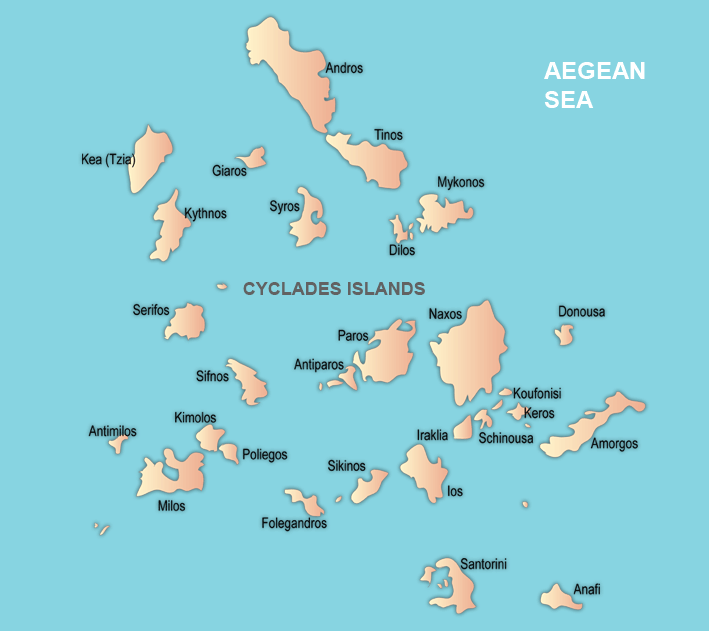
Mykonos is one of the better known of the Cyclades Islands in the Aegean Sea that we will visit. They are known as Cyclades, or circle, because this group of islands “circles” the island of Delos where many ancient ruins are found.

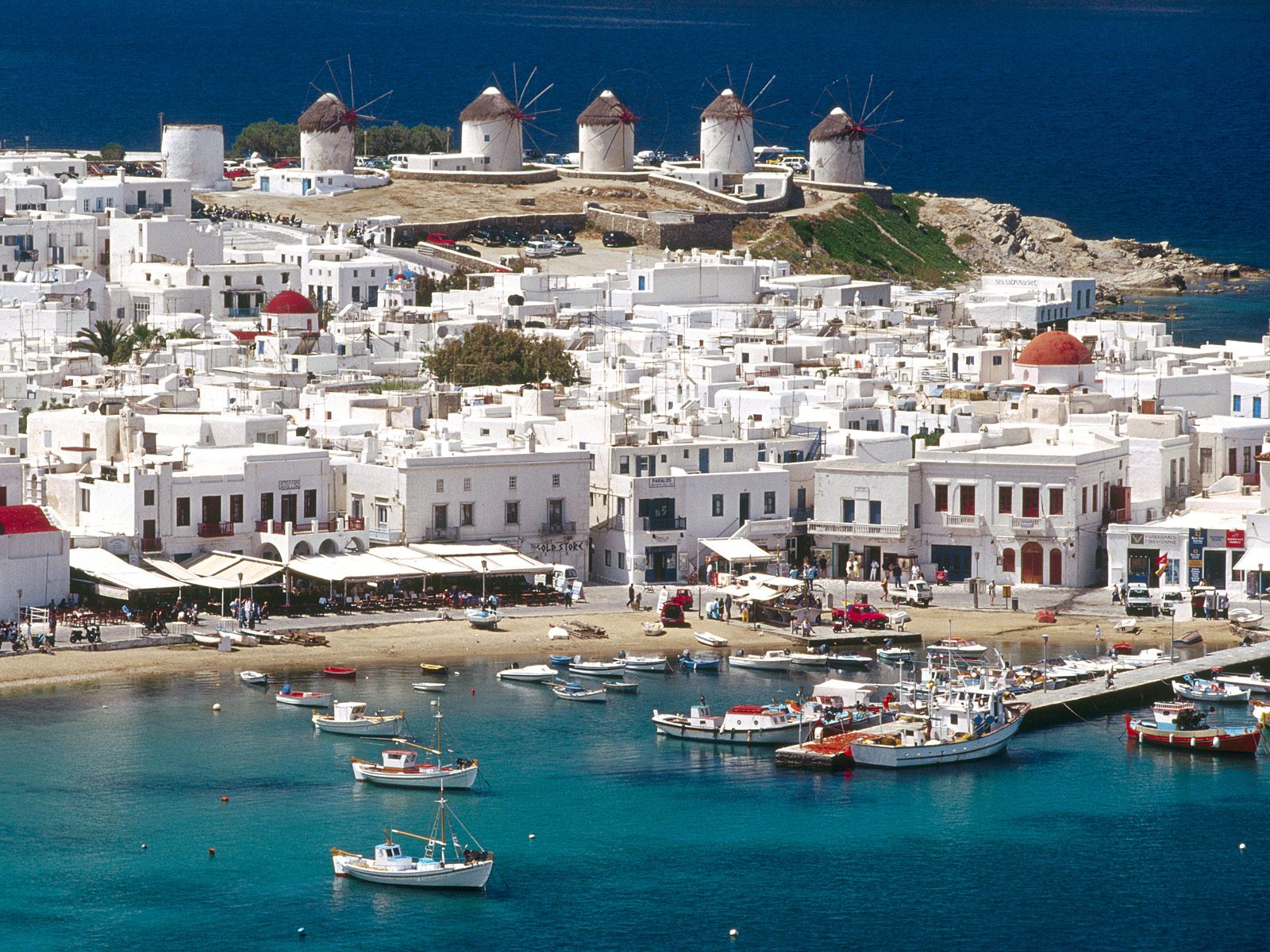
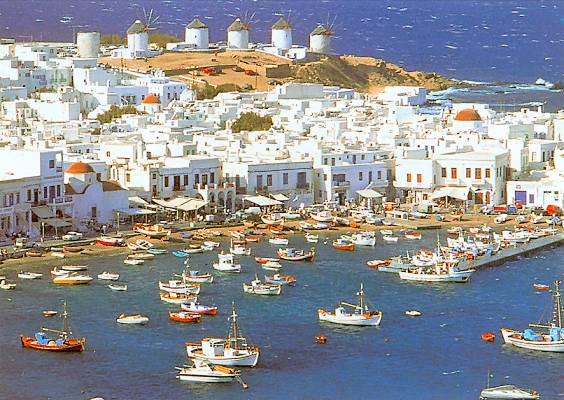
The island is rocky and barren, but its main village Mykonos town (or Chora) is a shining example of a typical Cycladic village with its tangled white alleyways and cube-shaped houses. The narrow winding alleys were designed to defy the wind and ward off pirates. Everything here is blue and white - the sky, the sea, the houses, the windmills.

The harbor is one of the most photographed in the islands and its mascot Petros the Pelican stands perpetual guard near the quay.

Several museums can be found in Mykonos town. The Archaeological Museum (closed Mondays) houses many Roman and Hellenistic carvings. The Maritime Museum of the Aegean houses many model ships from Minoan to the 19th century.

The Folk Museum located in the Kastro, or Venetian castle, features many ancient and modern Mykonian textiles. Outside is the Vonis Windmill restored to full working order. It was one of the 30 windmills used by families all over the island to grind corn.

The most famous, and most photographed, church on the island is the Panagia Paraportiani in the Kastro. Built on medieval foundations it features four chapels on ground level with one above.

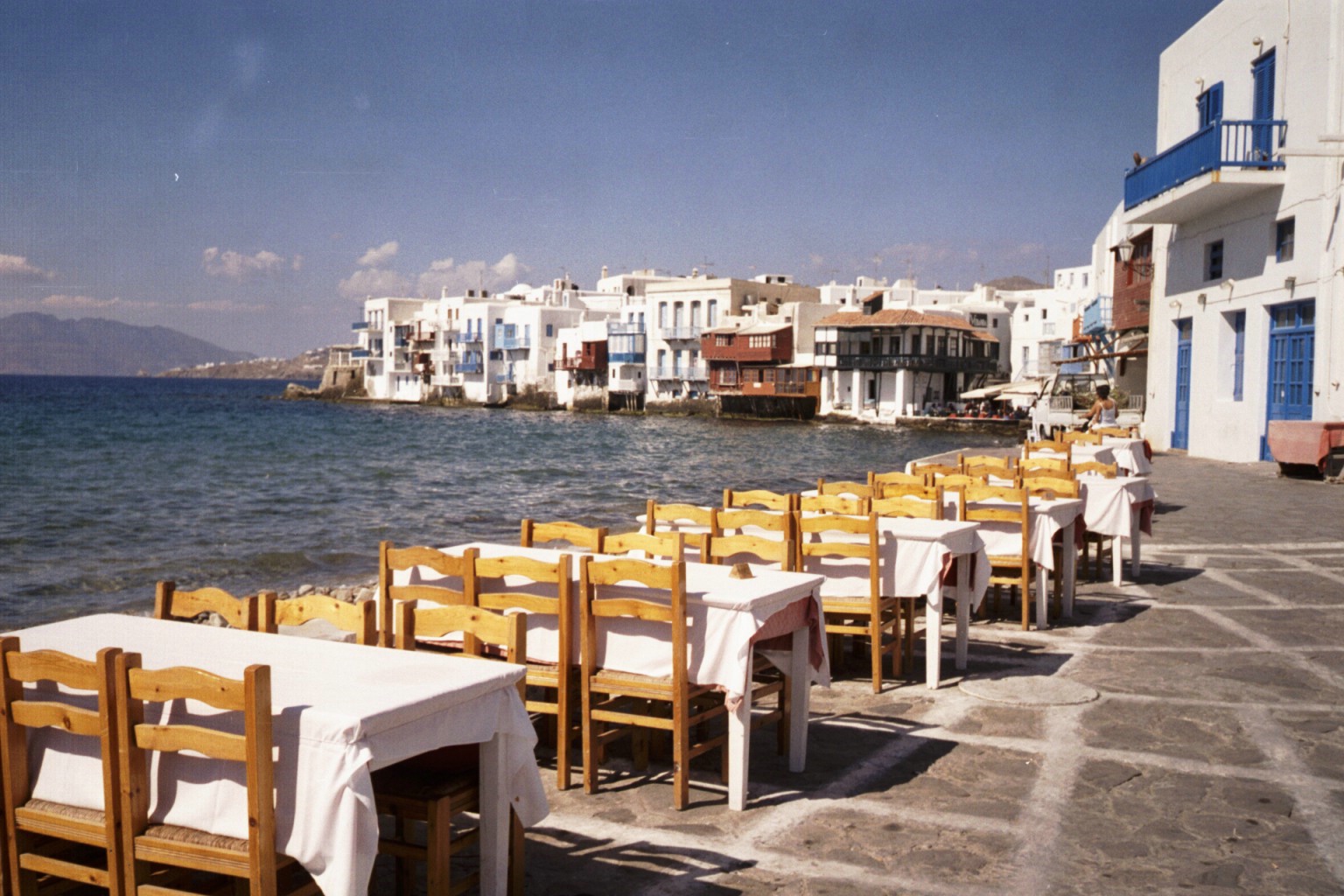
Lanes run down from the Kastro to Little Venice (officially known as Alefkandra) which is the artists’ quarters. The tall houses have painted balconies jutting out over the sea. Here is where many beach bars are located and the center for a lively nightlife.

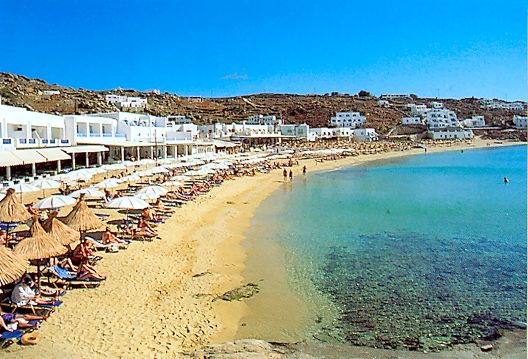
Known for its famous beaches, many of them are to the south of Mykonos town requiring a ferry. And since many of them are nudist beaches, I guess it is best for us that they probably can’t be seen from town!

Wednesday, January 19, 2011

Lindos on the isle of Rhodes

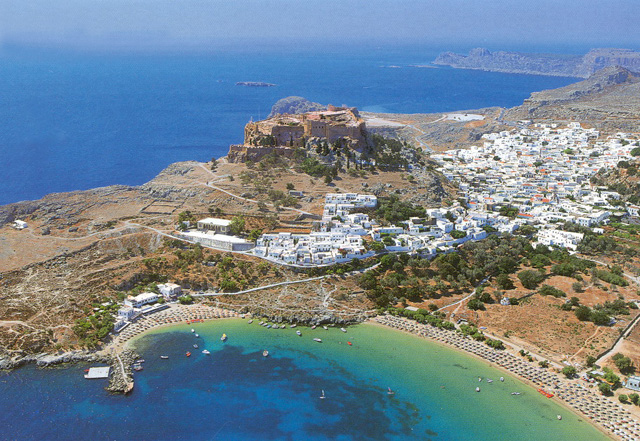
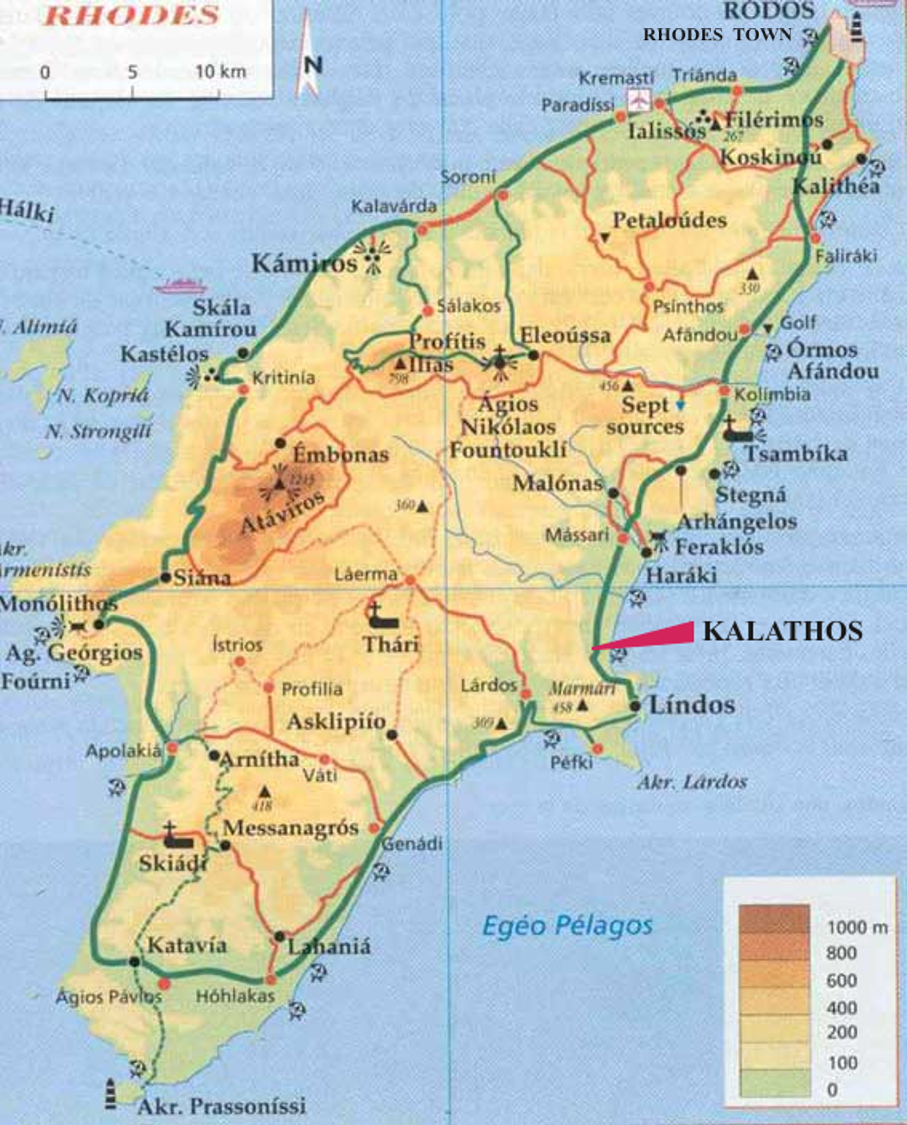
Lindos, a small village on east coast of the island of Rhodes, is featured on one of the optional excursions offered by the cruise ship. The excursion takes you to both Old Town Rhodes and Lindos. In order for you to decide whether you want to spend the extra money on this excursion, it will help to know a little about what you might see. It is located about 55 km south of Rhodes town.

Lindos has been inhabited for some 5,000 years and features picturesque white houses, Crusader castle, and a dramatic acropolis overlooking the sea. As a National Historic Landmark, development is strictly controlled.

It is a tourist town and its narrow, winding cobbled streets can be crowded and quite warm in the summer. Traffic is banned so it retains much of its charm, and donkeys carry people up to the acropolis. Steep stone steps also gain access to the acropolis.

Rich sea captains built the traditional whitewashed houses between the 15th and 18th centuries which are noted for the distinctive carvings on the stonework, like ship’s cables or chains. They are built around choklakia pebble mosaic courtyards.

In the center of the village is the Byzantine church of the Panagia, complete with its graceful bell tower and pantiled domes. It was originally built in the 10th century as a basilica, but was rebuilt in 1489-90. It is noted for its beautiful 16th century frescoes.

On the road up to the acropolis is the Pantheon, a waxwork museum of characters in mythology, including gods and heroes. Also on this road are women who sell the famous Lindian lace.

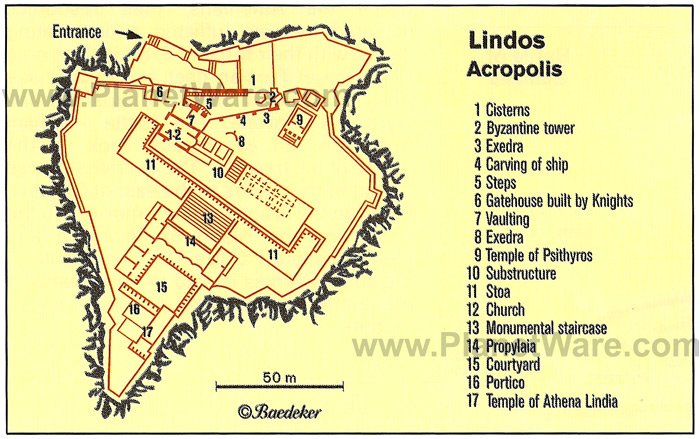
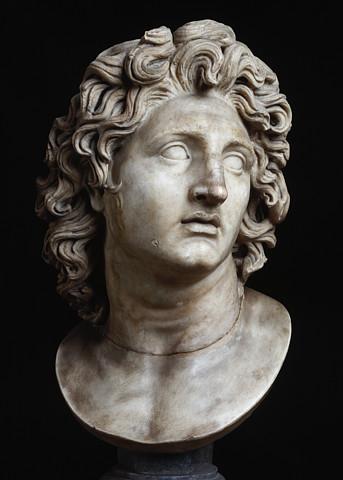
The jewel of Lindos is the imposing acropolis perched on a sheer 410-foot precipice high above the village. Its highlight is the ruins of the Temple of Lindian Athena built in the 4th century BC with several columns still extant. The temple was one of the most sacred sites in the ancient world visited by Alexander the Great and supposedly by Helen of Troy and Herakles.

A relief of a trireme warship was carved into the rock at the base of the acropolis around 180 BC. In the 13th century, the Knights Hospitallers of St John fortified the city with massive battlements much higher than the original walls and built a castle during the period of the Crusades. The ruins of many structures built over the centuries top the acropolis.

It is believed that Lindos harbor was where St. Paul landed on his visit to Rhodes about 50 AD. St Paul's Bay is named after the monastery which still stands.

Some scenes from the well-known movie, The Guns of Navarone, were filmed here.

Wednesday, December 8, 2010

The Island of Rhodes

Our visit to the island of Rhodes is one of the longest on the tour. We arrive at 7 a.m. and depart at 6 p.m. so we have a bit of time to explore either on our own or on one of the two optional excursions offered by the cruise line.

Rhodes is only 11 miles off the coast of southwest Turkey and is the largest of the Dodecanese Islands. It is shaped like a spearhead and is approximately 50 miles long and 25 miles wide. Rhodes Town is located at the northern tip.

The village of Lindos is located about two-thirds of the way down the island’s south coast and is featured on one of the optional excursions. It is known for its impressive Acropolis built on a rocky outcrop looking out to sea.

Philermos, or Mount Filerimos on some maps, is a short drive just south of Rhodes Town and is featured on the other optional excursion. It features a beautiful monastery dating to the 14th century, Our Lady of Philermos.

The island is most famous for the Colossus of Rhodes, a giant statue of the sun god Helios dating to the 3rd century BC that stood in Rhodes Harbor and was one of the Seven Wonders of the Ancient World.

This giant bronze statue was documented as once standing at the harbor. It was completed in 280 BC but was destroyed in an earthquake in 224 BC. It no longer exists. Today modern bronze deer statues stand in Mandraki harbor where the Colossus may have stood.

In the first century AD, St. Paul brought Christianity to the island. A long Byzantine era came to an end as the Knights of St. John of Jerusalem, or Knights Hospitaller, arrived in 1309 and built the famous medieval walls. The Palace of the Grand Masters was built during this period.

The Ottoman Empire then ruled for four centuries. Rhodes became a part of Greece in 1948.

Wednesday, November 10, 2010

The Isle of Patmos

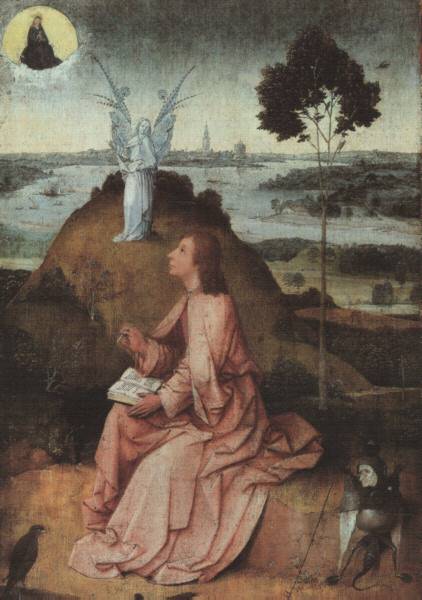
Patmos, one of the Dodecanese Islands, is known as the Jerusalem of the Aegean. It is the island where St. John the Divine was exiled and where he penned the apocalyptic book of Revelations. The small island is only 13 square miles with a population of about 3,000.

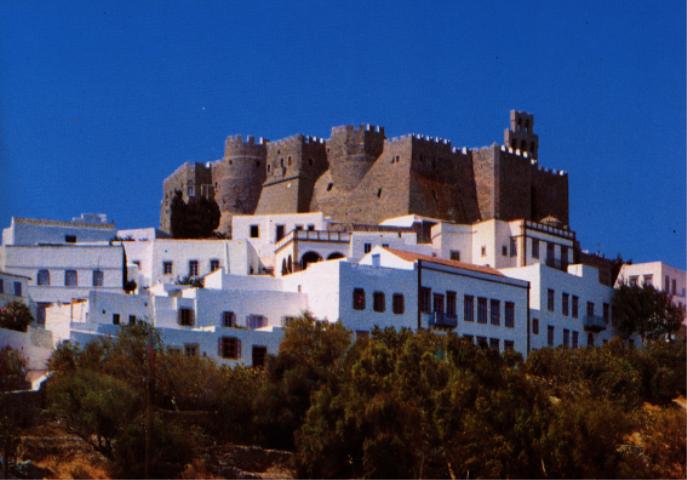
St. John arrived on Patmos in 95 AD after his exile from Ephesus, and the Monastery of St. John, one of the major sites on the island, was founded in 1088. Ship-building and trade brought about the decline of monastic control.

The cruise ship will dock at Skala, the main city and port for Patmos sheltered by a wide bay. From Skala, an old cobbled path leads up to the Monastery of St. John near the small village of Chora. It is a fairly strenuous up-hill walk to the monastery, but the panoramic views are beautiful from here.

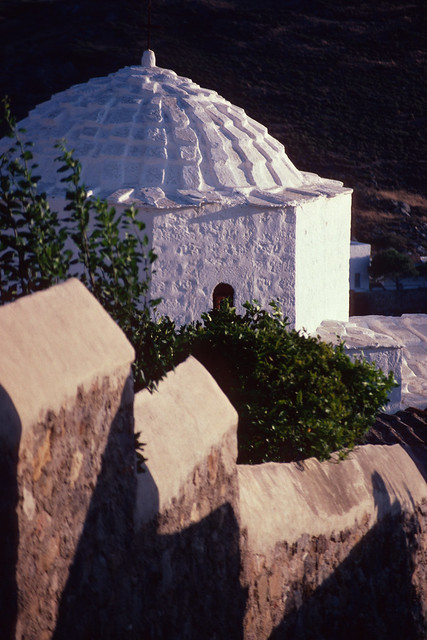
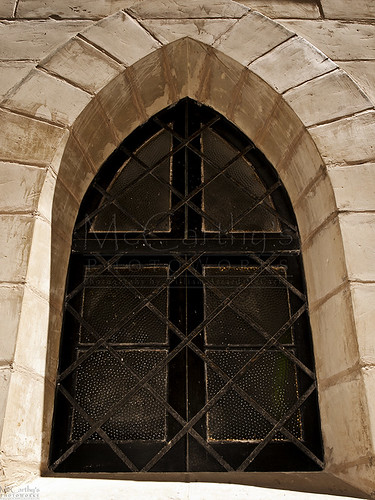
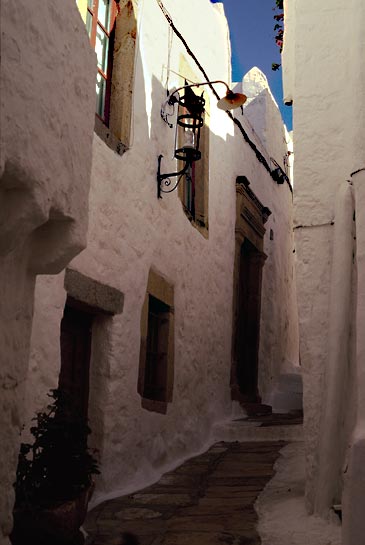
Chora boasts over 40 Byzantine monasteries and chapels, many with distinct window moldings, or mantomata, decorated with a Byzantine cross. The village is a maze of twisting alleyways, many of which lead to the doorways of large sea captains’ mansions, or archontika, built to keep marauding pirates at bay.

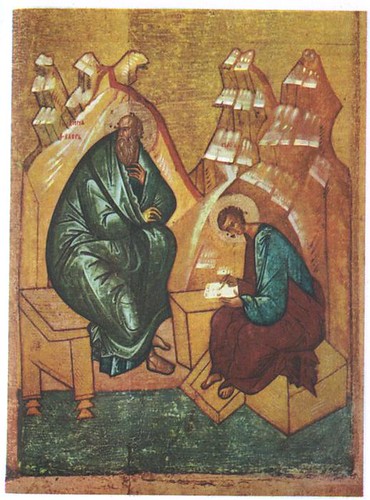
Down the path to Skala is the Agia Anna church built in 1090 dedicated to the mother of the Virgin Mary. Inside the church is the Holy Cave of the Apocalypse, also called the Grotto of the Apocalypse. Here is the silver-lined rock where St. John dictated the Book of Revelation to his disciple Prochoros and the indentation in the rock where the author rested his head.

Here also is the crack in the ceiling of the cave where it is said that St. John heard the voice of God. Its three parts symbolize the Trinity.

The stop in Patmos is only an afternoon, 3 to 4 hours, so the stay is not long. Visitors wearing shorts are not allowed in the monastery or grotto. Female visitors must wear clothing that covers the shoulders.

Wednesday, November 3, 2010

The Dodecanese

Two of the Greek Isles we will visit are part of the Dodecanese, literally meaning “the twelve,” a group of islands scattered along the southwest coast of Turkey. This southerly group of islands in the Aegean Sea attracts many visitors because of their hot climate and fine beaches.

Due to their distance from Athens and mainland Greece, these islands were subject to numerous invasions and the ruins left behind attest to their history of occupation by foreign powers. It wasn’t until 1948 that these islands became a part of the Greek state.

Twelve major islands and some 150 smaller islands make up the Dodecanese including Leros, Kalumnos, Kos, Astypalaia, Nisyros, Tilos, Symi, Chalki, Kastellorizo, Karpathos, and the two we will visit: Patmos and Rhodes, the capital of this island group. Only 26 of the islands are inhabited…and some for over 4,000 years!

History shows occupation of various islands by the Minoans, the Greeks, the Dorians, the Persians, and eventually the Roman Empire through the Classical Age. During the Middle Ages, the Byzantine Empire ruled the islands for almost 1,000 years as seen by the hundreds of churches dotting the islands.

In 1522, Suleiman the Magnificent conquered the islands and the Ottoman Empire ruled the area for several hundred years until 1912 when the islands declared their independence as the Federation of Dodecanese Islands. However, Italy took over almost immediately.

Following World War II, the 1947 Peace Treaty with Italy ended 740 years of foreign occupation and the islands became a part of Greece.