Wednesday, October 27, 2010

Cruising Tips and Tricks

Here are a few cruising tips that may be helpful. If you have any to suggest, send them and I’ll include them in future blogs. Keep in mind that cruise lines vary.
--Pack a lighted alarm clock. Cabins don’t usually have them and with an inside cabin you won't have daylight streaming in a window to help wake you up. If you oversleep on the last day and get rushed to pack and get off the ship, you are more likely to leave items.
--Before leaving home, pack and label packets for each port which could include maps, sunscreen, insect repellent, camera batteries and memory cards, pen and paper, toilet paper (well...you never know) shampoo for after swimming, etc. It’s a time-saving tip so that each morning you just grab that day’s bag and slip into your backpack or daybag.
--Once you are onboard, have the gift shop make a hole in your plastic room key card (where it won’t interfere with the magnetic strip), and wear it on a lanyard around your neck. No wasted time waiting in line for a new card if you lose yours.
--Four tips for seasickness: 1) eat a green apple, 2) eat candied ginger, 3) inhale the rind of a peeled orange, and 4) wear Sea-Bands (bracelets that apply pressure to the inside of the wrist).
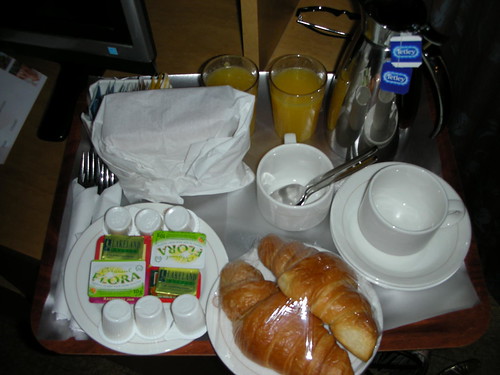
--The night before an early excursion, order room service for breakfast the next morning. You won’t get stuck in a long buffet line and risk missing your departure.
--Leave thank you notes for staff members who are particularly helpful. Being positive encourages good service in the days to come. Of course, everyone still tips…but a little extra something never hurts.
--To avoid the checkout bottleneck, ask for a printout of your bill the day before disembarking. The cruise itself is included in our tour, but you may opt for some additional charges for services, drinks, etc. during our trip. If there are any discrepancies, you can resolve them early and totally relax on your last day at sea.
--More seasickness tricks: 1) stay midship and as close to the waterline as possible as that area does not rock as much, 2) lie down where you can see the horizon as this places your head in a fixed position, and 3) eat pineapple…it tastes the same going up as it does going down!

Wednesday, October 13, 2010

Sailing with Louis Cruise Lines

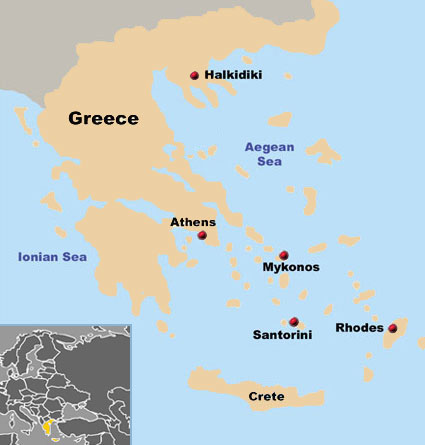
We will spend our 4-day Greek Isle cruise on one of the flagships of Louis Cruise Lines, the largest line in Greece and the fifth largest cruise operator in the world. The fleet has a diverse collection of small to mid-sized ships.

Louise Cruise Lines specializes in sailing the Greek Isles, Cyprus and the Mediterranean and attracts a wide, multilingual spectrum of passengers, so our 4 days at sea should prove exciting.

If you choose to purchase any of the optional shore excursions, you will do it while on the cruise. However you do not have to purchase anything special to go ashore. As I blog about each of our destinations, I will make suggestions (based on someone else’s experience on this same cruise) on which excursions to take. The choice will be totally yours.

Louis Lines operates 10 ships to various destinations in the Mediterranean. I have read in several places that we will be told the name of the ship ahead of time, however I have also read that on occasion another ship may be substituted and we may not know until we get to port that morning.

Each ship features several dining rooms and bars, entertainment, spa and fitness, swimming pool, shops, beauty salon, medical facilities, library, internet facilities, and a casino.

Our tour package includes an inside room, which I expect to be small. Upgrades cannot be requested (I asked!). All rooms though have private baths with showers. The point to this trip is not stay in our rooms but to enjoy the fun on the ship and the beautiful ports of call.

You might enjoy this photo album posted by a group of women who took a similar cruise. Click on Day 4-6 "The Love Boat" to get a feel of the ship. You'll also get a glimpse of the size of room in one of the photos.

Enjoy these videos and dream of your cruise to the Greek Isles!

Wednesday, October 6, 2010

Cape Sounion and the Temple of Poseidon

Even though our visit to Cape Sounion and the Temple of Poseidon is on our final day in Greece, I’ve chosen to blog about it now as it is the final site we will see on mainland Greece. All other sites to add to the blog will be on the Greek Isles.

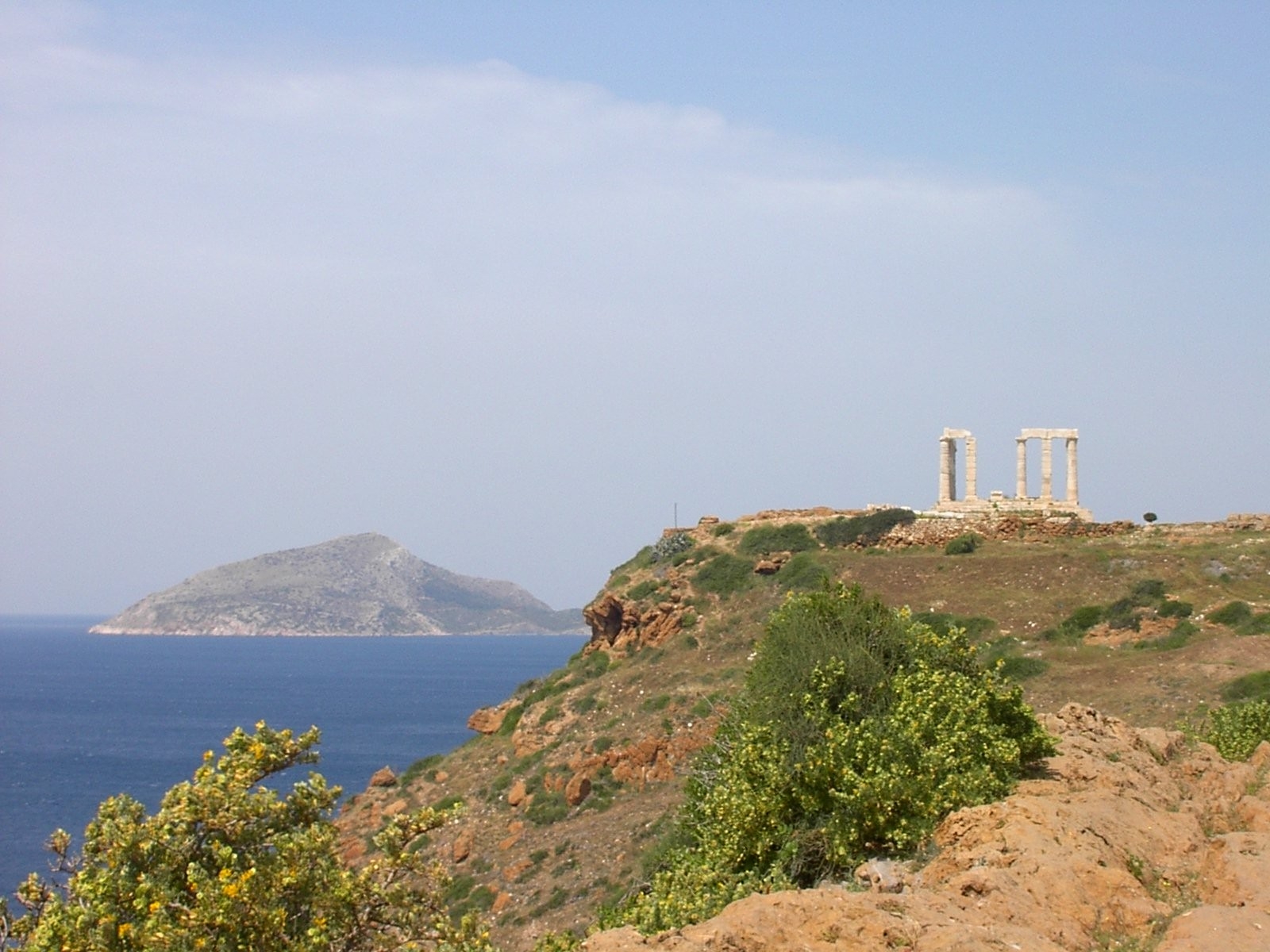
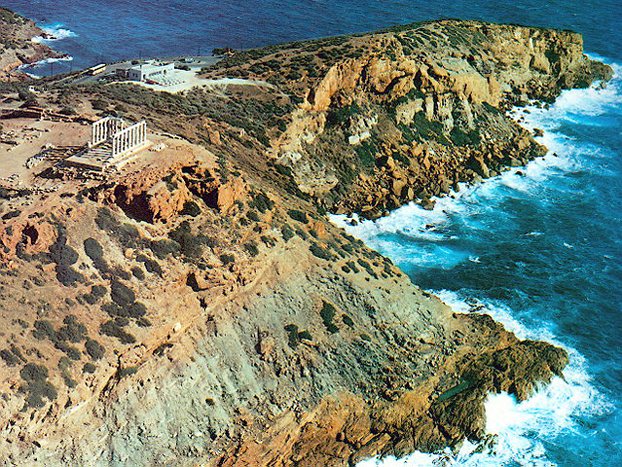
Located 43 miles south of Athens on the southern tip of the Attica Peninsula, Cape Sounion is best known for its temple dedicated to Poseidon, god of the sea. In fact the ruins of the temple sit atop a cliff looking out over the Aegean Sea.

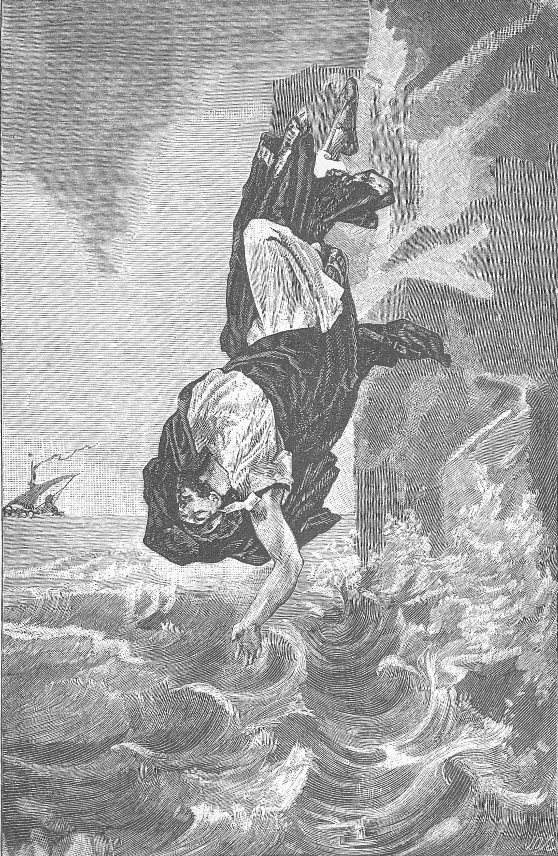
It is from the steps of this temple, legend says, that Aegeus, king of Athens, (for whom the Aegean Sea is named) waited for his son Theseus to return from Crete after defeating the Minotaur, the monster that was half man and half bull.

Theseus was to change the sails to white upon his triumphant return, but forgot and the black sail remained. His father, in despair thinking his son lost, cast himself over the cliff and into the sea.

Although the ceiling-high bronze statue of Poseidon is long gone, the magnificent view of the sea from the promontory point captivates all who visit if for nothing else but the breathtaking sunsets seen from the temple steps.

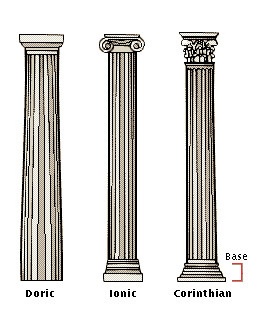
Built in 440 BC, 18 of the original 42 Doric columns remain of the rectangular building where ancient Greeks came to pay tribute to Poseidon for safe passage on the seas.

To look for: the romantic poet Lord Byron’s name carved at the base of one of the columns. Although the poet mentions Sounion in his poem Don Juan and is known to have spent time in Athens in 1810-11 (exactly 200 years ago!), it is not known that he carved his name himself. Who knows...you may even find your own name!

Travel tip: There are no guard rails around the cliff area and sometimes a brisk sea breeze can be chilly.

Wednesday, September 29, 2010

Port of Piraeus

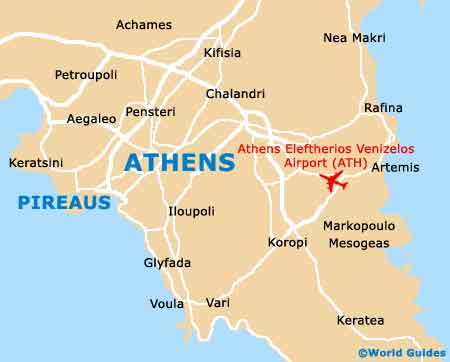
Although you may not see this town name on our itinerary, we will be passing through Piraeus on our way to the cruise departure. Piraeus is the third largest city in Greece by population and the location of one of the most important harbors in the Mediterranean.

Located a short distance from Athens on the Saronic Gulf, Piraeus is the departure point for cruises and ferries to the Greek islands. It became the port city for Athens in the 5th century BC.

The city proper consists of a rocky peninsula, originally an island, featuring three natural harbors. In addition to the central one, called Kantharos in ancient times, there are two smaller harbors to the east which are still in use. One is called Zea, also known as Pasalimani , and the other is Munichia, the smallest of the three and widely known as Mikrolimano.

The central port serves ferry routes to almost every island in the eastern portion of Greece, the island of Crete, the Cyclades, the Dodecanese, and much of the northern and the eastern Aegean Sea, while the western part of the port is used for cargo services.

Wednesday, September 22, 2010

Delphi Archaeological Museum

Located at the base of the ruins is the Delphi Archaeological Museum which houses artifacts that were found at Delphi. The exhibit primarily consists of offerings to the Oracle of Delphi discovered at the site and architectural parts of various buildings.

The museum’s 14 rooms are generally arranged chronologically. Collections include the Treasury of Sifnos, the Treasury of Athens, Hellenistic art sculptures, and Pediments of the Temple of Apollo.

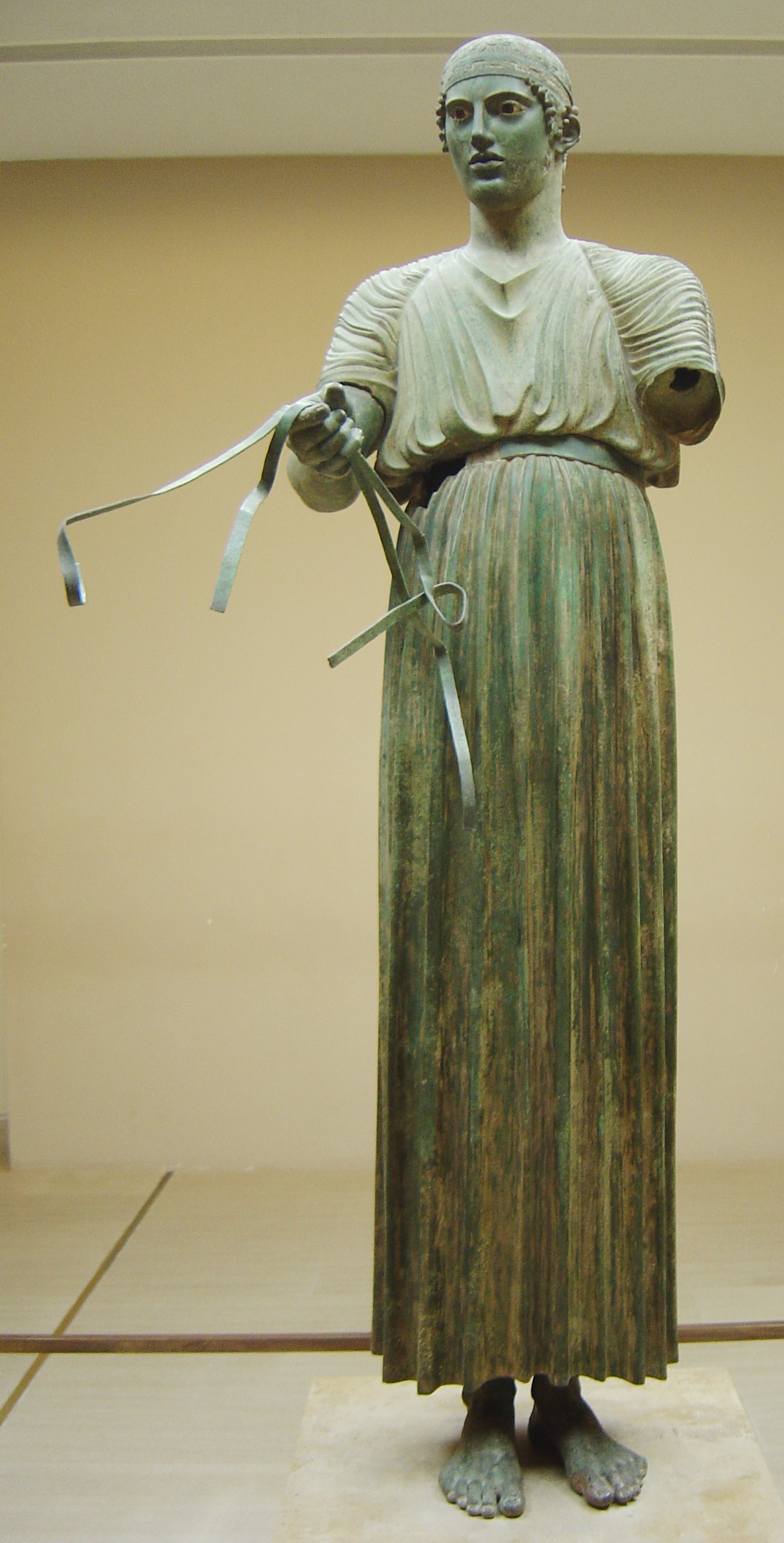
Highlights to see include the Charioteer, one the most famous statues in the exhibit. Also known as the "rein-holder," it was part of a larger exhibit, including horses and chariot, to commemorate a chariot race win in 474 BC. Portions of the horses were found with the charioteer.

The Omphalos is an ancient religious stone representing the navel of the world...where the two eagles collided in myth at the center of the world.

Kleobis and Biton are the statues of two human brothers from Greek mythology.

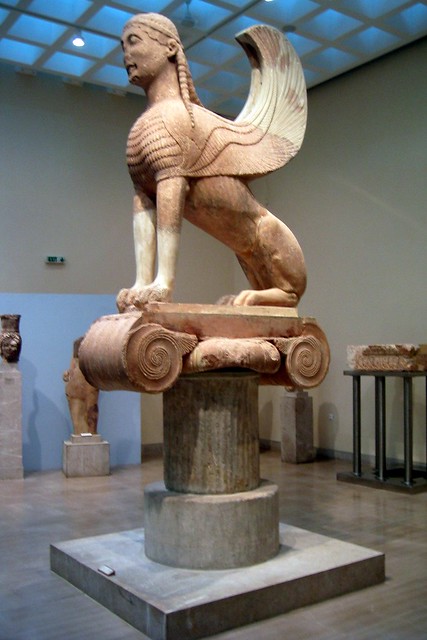
The Sphinx of Naxos sitting on an ionic column was a gift from the people of the Aegean island of Naxos to the oracle of Delphi in the sixth century BC.

The acanthus column with dancer, carved from Pentelic marble, features statues of three young women forming the upper part of a column encircled with acanthus leaves.

The cult statue of Antinous sculpted in Parian marble during the reign of Hadrian (117-138 CE), was found in the Temple of Apollo in 1893.

Thursday, September 16, 2010

Greece in the Movies

We’ve been looking at ancient Greece and found that the Greek theatre is a vital part of the ancient culture. We will see examples of these theatre ruins in several locations. But just for fun, let’s look at modern cinema and some of the movies that feature Greece – its culture and its countryside.

My Life in Ruins – Funny tale of a hapless tour guide in Greece was shot on location at the Acropolis, the Parthenon, and Olympia. Those who have been on tours before will recognize some humorous “tour” situations.

Sisterhood of the Traveling Pants (1 and 2) – Four friends try to stay connected as their lives drift in different directions. The Greek portions of the movie were shot on the island of Santorini. Scenes were shot at the village of Oia, at the harbor, and at rock formations and pretty locations around the island.

Mamma Mia! –The movie musical is built around ABBA songs about a daughter's quest to figure out who her real father is. Some scenes were shot on the islands of Skopelos, Skiathos, and in the Pelion region of Greece.

My Big Fat Greek Wedding – A young Greek woman falls in love with a non-Greek and struggles to get her family to accept him while she comes to terms with her heritage.

Zorba the Greek – The classic film epitomizes the Greek spirit with star Anthony Quinn as Zorba. An English writer has inherited a lignite mine somewhere in Crete and meets the free-spirited Zorba in a cafe in Piraeus. Filmed in black and white the movie documents a Greece that has almost completely disappeared.

Never on Sunday – The classic film starring Melina Mercouri was shot in Piraeus and shocked many Greeks with its portrayal of a happy, even a bit pious prostitute.

Be sure to watch the movie trailers...just do a title search on YouTube or Google Video.

Wednesday, September 8, 2010

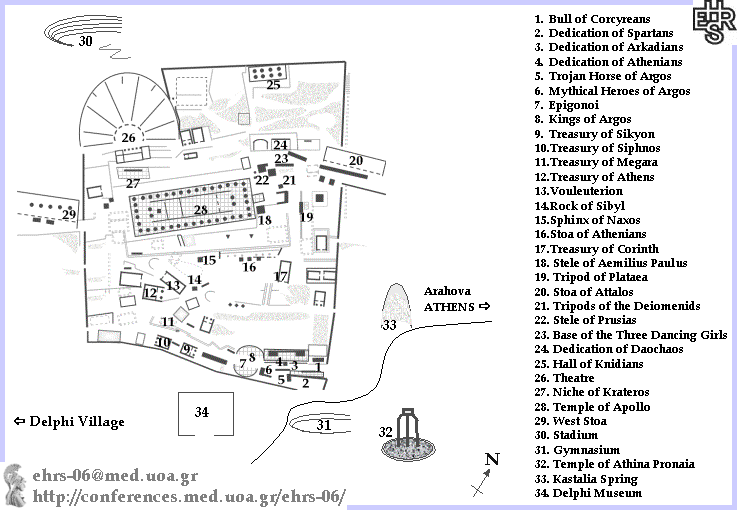
Delphi

Now that a visit to Delphi is included in our itinerary (Yoo-hoo! -see previous blog!), let’s take a look at what we will get to see…and why it is so well-known. Many people visit the site without actually understanding its significance.

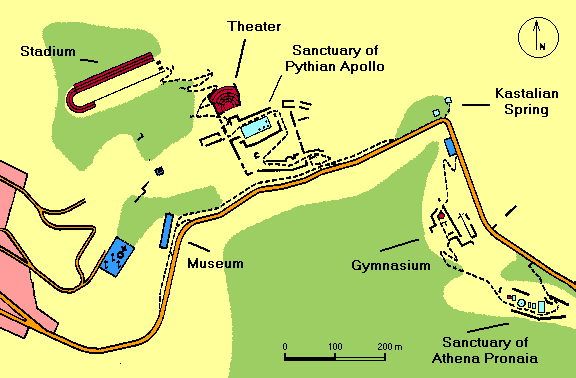
Delphi, one of the most popular ancient sites in Greece, is located about 100 miles northwest of Athens on the forested slopes and rocky crags of the south side of Mount Parnassus. It takes about 2 ½-3 hours to drive there. Most of the ruins that survive today date from the most intense period of activity at the site in the 6th century BC.

In ancient times Delphi was considered the center of the known world, the place where heaven and earth met. Here Greek mythology says Zeus released two eagles from opposite ends of the earth and they met in the sky above Delphi. Impaling one another with their beaks, they fell to the ground on the very center of the world. The site was marked by the sacred Omphalos, or "navel stone."

Later, Apollo killed the serpent Python (son of Mother Earth), guardian of Delphi's sacred Castalian Spring. The sun god then established an oracle at the spring, promising to provide counsel to all who needed it. Located at the navel of the world and personally blessed by Apollo, Delphi was the holiest site in the world for the ancient Greeks.

The oracle of Delphi was a religious center, most famous for its accurate predictions of the future. The oracles were given by Pythia, the priestess who muttered incomprehensible sounds in a state of trance, which in turn were translated in comprehensible language and given to those who made the pilgrimage in search of answers.

The Temple of Apollo, where sat the famous oracle, appears today in a ruinous state in the center of the sanctuary. Only a few of its Doric columns remain standing, but its imposing foundations are a visible reminder of the Temple’s splendor in ancient times. The present ruins of the temple date back to the 4th century BC.

At the entrance to the ruins are the reconstructed treasuries. These were built by the various Greek city states — those overseas as well as those on the mainland — to commemorate victories and to thank the oracle for her advice, which was thought to have contributed to those victories.

Delphi is famous for its many preserved athletic statues. It is known that Olympia originally housed far more of these statues, but time brought ruin to many of them, leaving Delphi as the main site of athletic statues now housed in the archaeological museum.

The ancient theatre at Delphi was built further up the hill from the Temple of Apollo giving spectators a view of the entire sanctuary and the valley below. It was originally built in the 4th century BC but was remodeled on several occasions since. Its 35 rows can seat 5,000 spectators.
The stadium is located further up the hill, beyond the Sacred Way and the theatre. It was originally built in the 5th century BC but was altered in later centuries. It could seat 6,500 spectators. Here the Pythian Games took place every four years to honor Apollo, and hosted poetry and music competitions besides the staple of athletic events.

At the base of these ruins lies the Sanctuary of Athena. The Tholos is probably the most widely recognized building on the site because of the color of the marble and the fact that it is a round temple. Strangely enough what the temple was used for and who it commemorates is not known. It was built between 380 and 360 BC, and only three of its original twenty Doric columns remain standing today.

Since, the location of Delphi is on the slope of a mountain one can enjoy the view of the whole valley below all the way to the Gulf of Corinth. However be ready for a strenuous climb to see the ruins.

And don't forget to Google "Delphi, Greece" and click on videos. You'll get some professional and some amateur views of the site. Sometimes the amateur ones give us a more realistic view of what we'll see.