Saturday, August 16, 2014

All Things Scotland...(or a bunch anyway!)

“Of all the small nations of this earth, perhaps only the ancient Greeks surpass the Scots in their contribution to mankind.” 
 Winston Churchill

Before visiting Scotland, learning a little about her legends, traditions, culture, and symbols may help explain much of what you see and hear while on tour.  Here’s a brief explanation of a few…all things Scotland.

First of all, Scotch is a type of whisky.  Her people are called Scots, or described as Scottish.

Kilt and sporran
A kilt is a short, pleated skirt made of tartan originally designed for climbing throughout the rough hills of the Highlands, but has now become the national dress of Scotland.  A sporran is the leather or fur bag carried around the waist as the kilt has no pockets.  You might want to watch this video “How to Wear a Full Formal Kilt Outfit.”  And to answer the most asked question…what’s UNDER the kilt?  Check out a True Scotsman.

The thistle is the national flower of Scotland. Legend says that a sleeping party of Scottish warriors was saved from invading Norsemen when one of the enemy stepped on the prickly pink blossom and yelled out in pain. Knowing the thistle is the national flower now makes “A Gift of a Thistle” scene in the movie Braveheart even more touching.

Bagpipes
No one needs three guesses to name the national instrument of Scotland.  Although bagpipes are primarily associated with Scotland, they are not exclusive to her.  Countries all over the world have used them for entertainment, in the military, and for memorials.   Some ancient carvings date the bagpipe back to 1,000 b.c. One of the most unusual Scottish carvings is a gargoyle pig playing the bagpipes on the ruins of Melrose Abbey in the Scottish Borders!

Although the majority of the world’s redheads can be found in Ireland, Great Britain, and Western Europe, the highest percentage can be found in Scotland.  In fact, 13 per cent of all redheads live in Scotland, and even more carry the recessive ‘red hair’ gene.  Why?  Scientists believe that it is the gloomy weather!  Redheads typically have pale skin, freckles, and sensitivity to sunlight.  And what do scientist believe could possibly reduce the number of redheads…global warming!  Warmer days would bring more sunny weather.  That darn global warming wrecks everything!

Luckenbooth brooch
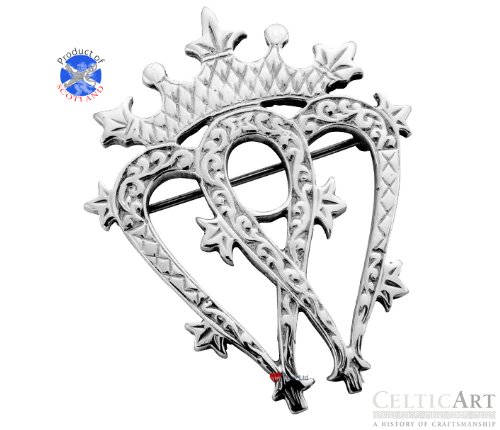
When you go souvenir shopping, consider the Luckenbooth brooch.  Folklore says it provides protection for babies from the ‘evil-eye,’ and legend associates it with Mary, Queen of Scots, as it is designed with two intertwined hearts topped by a crown making it look like a romanticized M in a royal monogram.  The name comes from the luckenbooths, or locked booths, on the Royal Mile in Edinburgh that sold trinkets and jewelry.  Traditionally, a young man gives his bride a Luckenbooth brooch on their wedding day.

Ever wondered about the difference between the Picts and the Celts?  Well, that’s a hard one as there are many theories.  Basically Picts were the earliest known inhabitants of northern Scotland…but that’s according to a Roman author who first called them Picts (picti), Latin for “to paint,” hence the idea that they painted their bodies. The Romans, in general, called them Caledonians.  We don’t know what they called themselves, as they left no written record except for stone art carvings.  Celts, on the other hand, are believed to be a much older race which originated on the mainland of Europe.  They eventually migrated to Scotland, Ireland and England and intermingled with the native people.

Celtic Cross
The Celtic cross is a symbol that combines a cross with a ring surrounding the intersection.  It is primarily associated with Ireland because of the legend that Saint Patrick introduced the Celtic cross, but they can also be found in Scotland.  No one is really sure about its origin or meaning.

For a tiny country, Scotland has made a big impact in the arena of sports.  Most people are aware that Scotland is known as the “Home of Golf,” with St. Andrews as the most well-known golf course since 1552.  Scotland has over 550 courses, with 94 in Glasgow alone.  Comedian Robin Williams explains it all in this video!

Curling
Also introduced in Scotland was curling, a team sport where a curler hurls a granite stone down an ice path with two other players using “brooms” to alter the state of the ice for a score.  It was first recorded in public record by a notary in 1540.  Two time world champion David Murdoch introduces you to the world of curling in this video.

And then…there’s shinty.  Played primarily in the Scottish Highlands or by Highland immigrants, it is sort of like field hockey.  Watching this video on shinty makes me want to be a mile away…it looks really dangerous!

Shortbread
At mealtime, you might want to familiarize yourself with a few Scottish dishes.  Some you’ll probably want to try and others…well, you decide.  Shortbread is a classic Scottish dessert made of sugar, butter, and flour. Walker’s Shortbread Ltd. is Scotland’s largest food exporter and it can be bought in many US markets, but if you’d like to make your own, here’s a traditional recipe.

In addition to traditional bacon and eggs, a full Scottish breakfast could include tattie scones (potato scones), grilled tomatoes, baked beans, porridge (oatmeal), black pudding (pork blood sausage), and kippers (cold smoked herring).

Scotland’s national dish is haggis, a sausage pudding made from sheep’s pluck (heart, liver, lungs) combined with oatmeal and spices traditionally stuffed in the animal’s stomach, served with neeps (turnips), tatties (potatoes), and whisky.  Yum!

And in Scotland…a kirk is a church.  The national Church of Scotland is Presbyterian.  A crofter is a farmer.  A ceilidh is a party with music and dancing (try guessing that pronunciation).  And if you really want to learn some totally Scottish words, then watch this slide show, 50 Weird Scottish Words.

Now try your hand with this short quiz on “All Things Scotland.” (Answers below, but don’t peek!)

1.      Are Shetland ponies native to the Shetland Islands in Scotland?

2.      Are Highland cattle native to the Scottish Highlands?

3.      Do the Scots really dance the Highland Fling?

4.      Does the Scottish terrier really originate in Scotland?

5.      Were the Highland Games invented by the Scottish Highlanders?

6.      Were Scotch eggs first made in Scotland?


Answers:

1.    Yep…the hardy little ponies have been roaming the Shetland Isles for over 2,000 years, possibly since the Bronze Age.
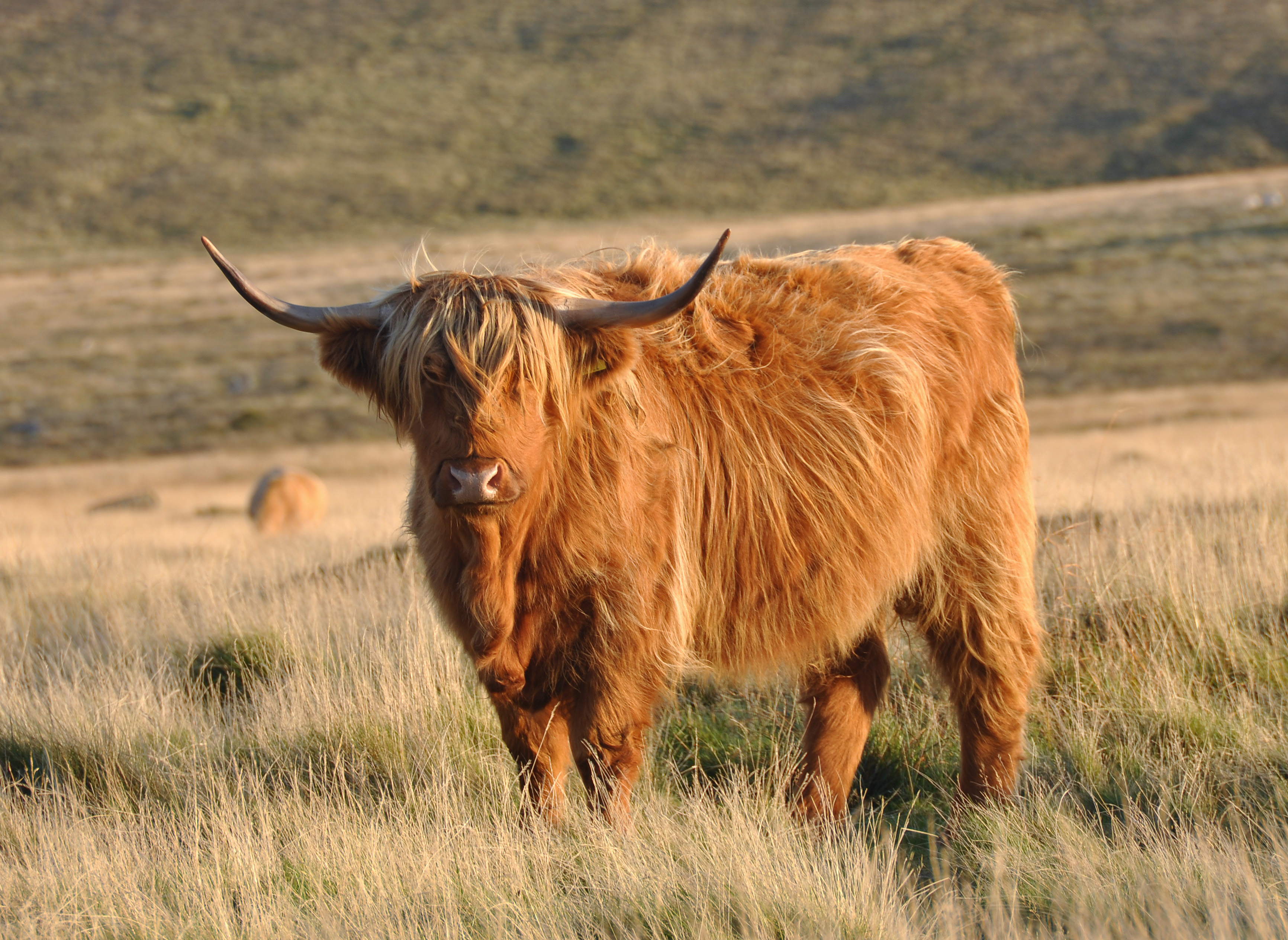
2.    Yep…this rugged breed of cattle was first developed in the Highlands of western Scotland.  Characterized by their long horns and shaggy coats, they are now raised by breeders all over the world.
3.    Yep…and it is considered the traditional solo dance of Scotland.  This style of dancing is always performed in a kilt and has spread around the world in competitions.
4.    Yep…also known as the Scottie, it is one of 5 breeds to originate in Scotland.  It is the only breed of dog to live in the White House three times, with Presidents Roosevelt, Eisenhower, and George W. Bush.   
5.    Yep…or most likely anyway.  The games have a long history, but most agree they began in Scotland at clan gatherings either to test athletic prowess or to choose the mightiest warriors for battle.  Today, competitions are held around the world testing such skills as the hammer throw or caber toss. (But sorry, the game of twisting the four legs off a cow for a fat sheep prize is no longer held in civilized games…imagine that!)  And did I mention that they wear kilts for this event too?
6.    Nope…a London department store claims to have made them first in the 1730’s.  It is a shelled hard-boiled egg, wrapped in sausage, coated with bread crumbs and deep fried.  Known as a picnic food, Scotch eggs are found in most pubs and grocery stores.  Want to try your hand at them?  Here’s the recipe.

And in case something has been omitted, check out this list of 10 Things You Should Know About Scotland—it seems I missed a few.  You’ll be surprised to learn the official animal of Scotland.

On a final note…Scotland is one of four states within the United Kingdom of Great Britain, which also includes England, Wales, and Northern Ireland.  On Sept. 18, 2014, those 16 years of age and older will vote on Scotland’s independence from Great Britain.  In a bit of sarcastic prose, The Guardian addresses Scottish independence in an article entitled “DearScotland: here are 76 things we'd like to apologise for, love England.”  (Note added after Sept. 18: Scotland voted to stay with Great Britain.)

In the words of Scotland’s famous freedom fighter: “I hae brocht ye to the ring, now see if ye can dance.” —William Wallace

~~~~~~~~Guid cheerio the now and see ye efter!~~~~~~~~~

Wednesday, August 6, 2014

Fort William, Scotland

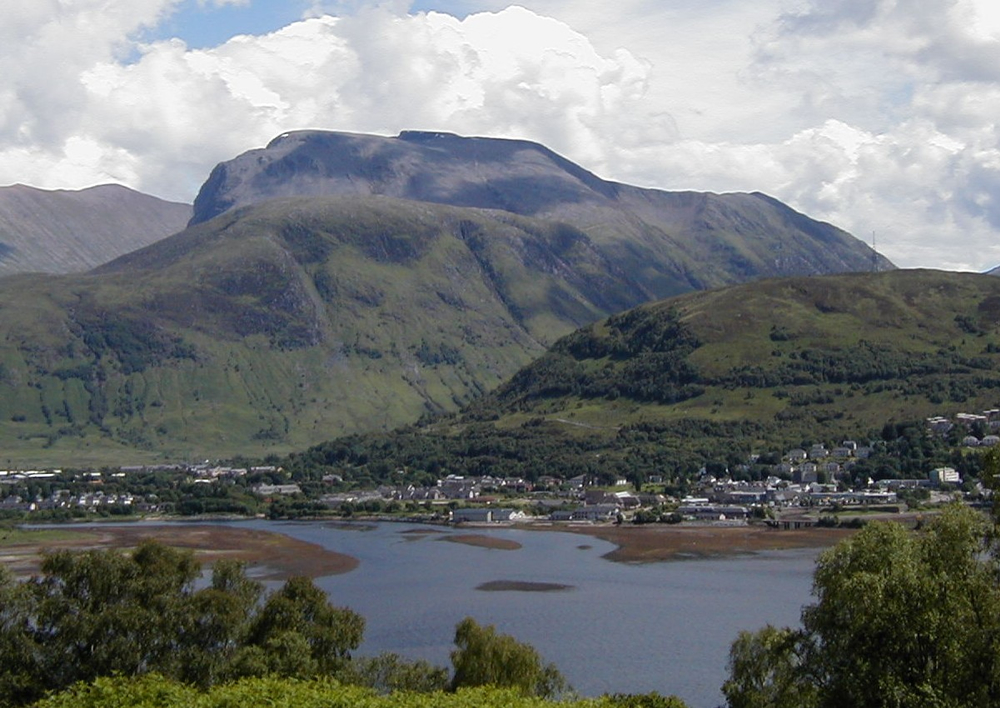
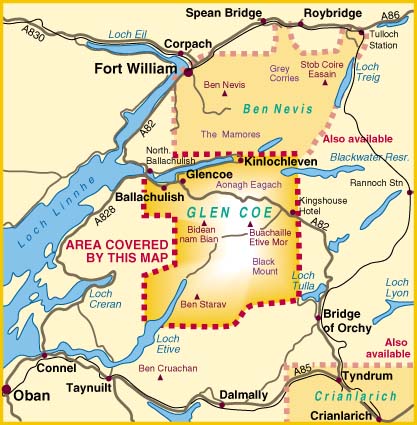
Known as the “Outdoor Capital of the UK,” Fort William is the second largest city in the Highlands after Inverness.  Surrounded by idyllic Glen Nevis and Ben Nevis, the highest mountain in Britain, the area is a magnet for hikers, bikers, and climbers.
Fort William on the shores of Loch Linnhe
Winter skiing is a major draw for tourists to the Fort William area with a gondola that takes visitors up 2,000 feet for amazing views and access to ski slopes.  The area also hosts the UCI Mountain Bike World Cup in June each year.

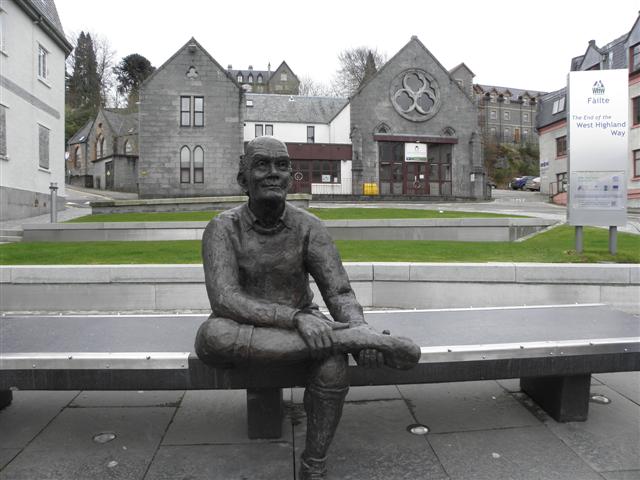
Fort William marks the end of the 96-mile West Highland Way, where hikers are greeted by a seated statue of a hiker looking out toward Loch Linnhe.  It is also the beginning of the 73-mile Great Glen Way hike to Inverness, where the starting point can be found in the old Fort.

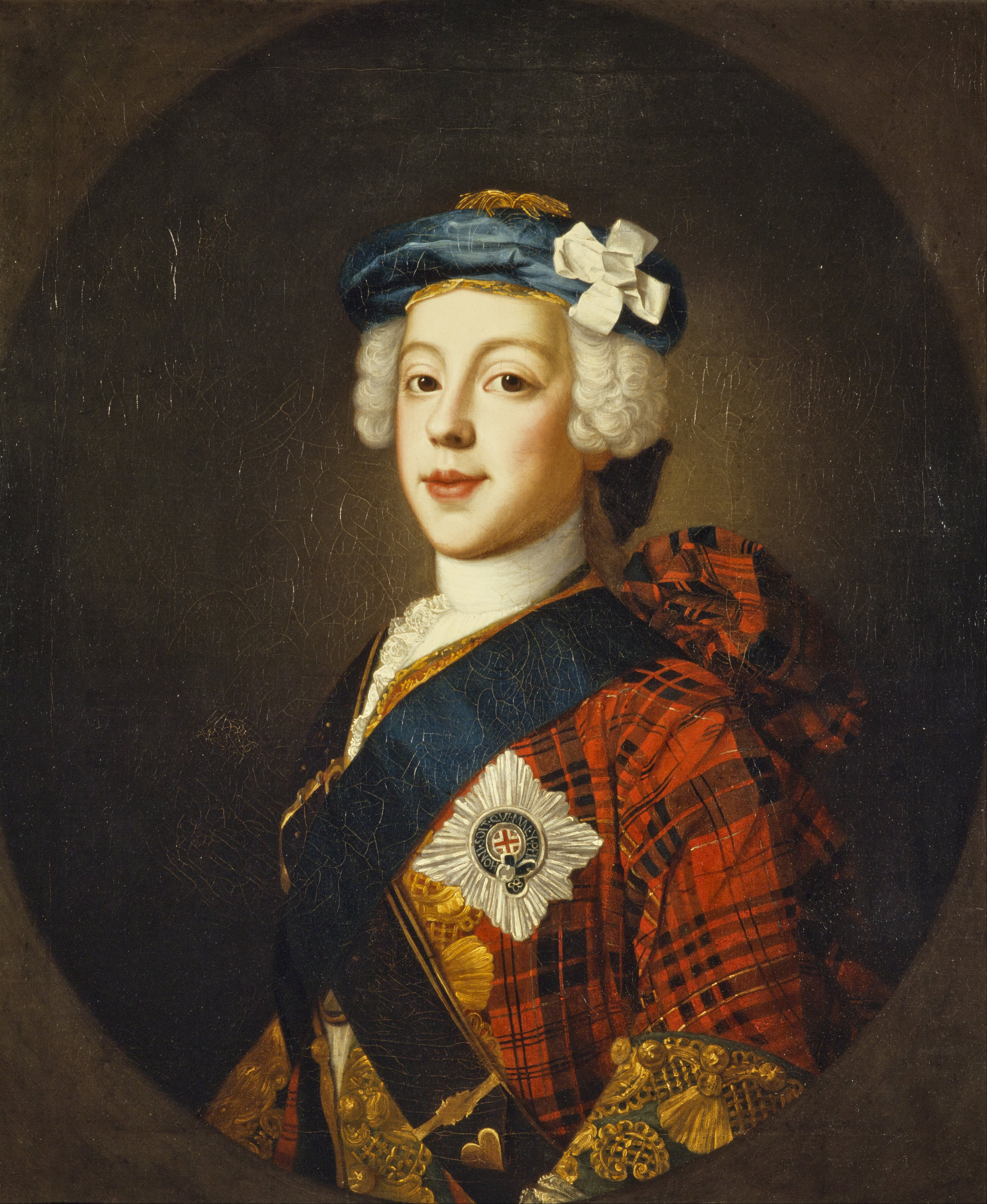
The original fort on the shore of Loch Linnhe was built in 1654, but saw little action until the Jacobite Uprising in 1745 when the defeat of Bonnie Prince Charles left the Highlands changed forever.

Other unique sites in Fort William are St. Andrews Church on the north end of Main Street, St. Mary’s Catholic Church on Belford Road, and Ben Nevis Distillery.
Fort William and surrounding area

The town of about 10,000 residents sits at the head of Loch Linnhe, one of Scotland’s longest sea lochs.  Several small villages and hamlets make up Fort William including Banavie, Caol, Corpach, Inverlochy, Torlundy, and Tomacharich.

In 1822, the Caledonian Canal was opened for merchant shipping and it also brought Victorian tourism to the area.  The canal passes by the little village of Banavie near Neptune’s Staircase, a set of lock gates that raises vessels into upper Banavie canal area.

High Street in Fort William
Pedestrian only High Street is the heart of Fort William.  Here is where you’ll find shops, restaurants, pubs and the West Highland Museum.  The traditional Scottish dish is haggis, while the preferred drink is single malt whisky.

In addition, parts of several movies, including Braveheart, Rob Roy, and the Harry Potter movies, were filmed there.

Tuesday, July 15, 2014

Loch Lomond, Scotland

Ever hear that familiar tune…but not quite sure of the song lyrics or the origin of the song?  Well, take a listen here.  Hummmm… “the bonnie, bonnie banks of Loch Lomond.”

This traditional Scottish song was first published in 1841 in Vocal Melodies of Scotland (Roud No. 9598).  Although the original author of the song is unknown, one of the many interpretations of the lyrics alludes to the Jacobite Uprising in 1745.  Perhaps a prisoner awaiting death (the low road) is writing to a friend who lives (the high road). An old Celtic belief is that a person who dies outside his country will return in death (And Ah'll be in Scotlan' afore ye).

Regardless of the meaning, the song has been sung by numerous artists over the years, and the familiar tune has been used countless times. Even the University of Notre Dame Marching Band’s baritone horn section plays the song at the beginning of every home game.

By yon bonnie banks an' by yon bonnie braes
Whaur the sun shines bright on Loch Lomond
Whaur me an' my true love will ne'er meet again
On the bonnie, bonnie banks o' Loch Lomon'.
Chorus:
O ye'll tak' the high road, and Ah'll tak' the low road
And Ah'll be in Scotlan' afore ye
Fir me an' my true love will ne'er meet again
On the bonnie, bonnie banks o' Loch Lomon'.
'Twas there that we perted in yon shady glen
On the steep, steep sides o' Ben Lomon'
Whaur in (soft) purple hue, the hielan hills we view
An' the moon comin' oot in the gloamin’.
Chorus
The wee birdies sing an' the wild flouers spring
An' in sunshine the waters are sleeping
But the broken heart it kens, nae second spring again
Tho' the waeful may cease frae their weeping.
Chorus

Loch Lomond
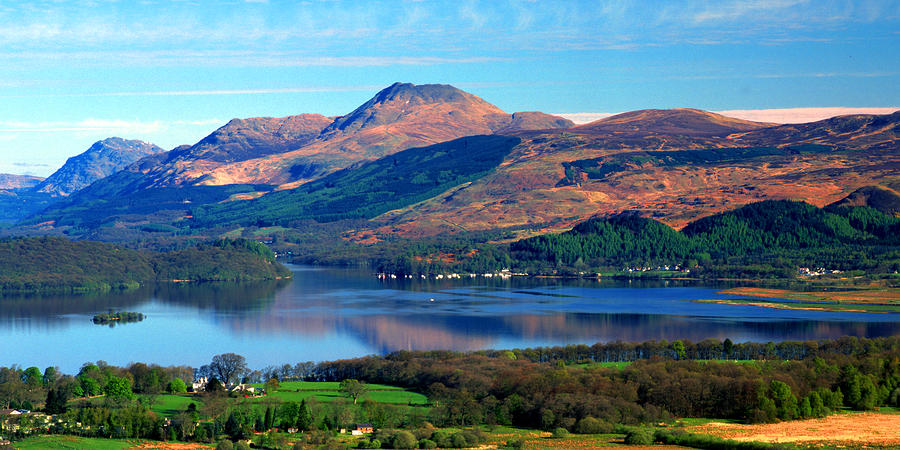
Loch Lomond” in the song refers to Loch (or Lake) Lomond, a majestic freshwater lake in Scotland that crosses the Highland Boundary Fault.  It is the largest inland stretch of water in Great Britain and is part of the Loch Lomond and the Trossachs National Park system.

The 25-mile long lake is narrow and deep at its northern stretch and bound by steep-sided mountains including Ben Lomond. Its southern end widens up to reveal an island-studded panorama.

The lake has over thirty islands, depending on the water level.  Inchmurrin is the largest, and Inchconnachan is home to a colony of wallabies.  Several of the islands appear to be crannogs, artificial islands built in prehistoric periods.

The Trossachs refers to the wooded glens that surround the lochs found in the area.  Sir Walter Scott’s 1810 poem The Lady of the Lake popularized the area with tourists by including several place names in the poem.  Shortly after, he wrote his 1817 historical novel Rob Roy, whose exploits in the Trossachs led to the area being called “Rob Roy Country.”
Village of Luss, Scotland
 And speaking of the “bonnie banks” of the lake, look for the beautiful little village of Luss on the western shore of Loch Lomond.  A village has been in this location since medieval times and the pretty little sandstone and slate cottages complete with roses rambling up the sides of each one makes for a “bonnie” sight indeed.

Now if you’d like to see the big screen version of the song combined with stunning images of Loch Lomond, watch Legend of Loch Lomond which retells the story behind the song.  Originally set for IMAX, this short film (38 minutes) can be seen for free on Hulu (although it has several commercial breaks.)   It is also available on Netflix. 


Wednesday, July 2, 2014

Is Scottish Ancestry in Your Background?

Ever wondered if your ancestors came from Scotland…and if so, to what clan did they belong?  Family surnames passed from father to son to grandson were introduced in Scotland in the 1100s by the Normans, but the general use of a common surname passed down through the generations was not prevalent until the 16th century, and even then they were not common in the Highlands and the isles until well into the 18th century.

Some names were associated with a geographical place or occupation, some on some unique quality or physical feature, and others were patronymic—derived from a given name or family relationship.  Mac or Mc is a common Scottish surname prefix as it means “son of.” 

These were the types of names that might change from generation to generation depending on the father’s name.  Adopting a common family surname was not popular until the 15th and 16th centuries.

To find out if you have a Scottish heritage, talk to relatives and consult family genealogies to compile a list of family surnames.  Then search this Alphabetical List of Scottish Names Associated with Clans and Families and Behind the Name – Scottish Surnames

You can also search through this massive list of Scottish surnames at Family Education Name Lab or simply type in the name in the search box to get information on name meaning and origin.

Scottish clan comes from the Gaelic clann meaning “family” and was usually all the people who lived in particular geographic area under the protection of a clan chief, who was officially registered in the court of Lord Lyon King of Arms who controlled heraldry and the Coats of Arms registration in Scotland.  Therefore, everyone in a clan was not necessarily related nor did they all have the same surnames.

Clan Tartans

The tartan has long been associated with Scotland, especially the Highlanders.  The woven patterns of interlocking stripes originally were not associated with any particular clan until the 18th century, and it was not until Wilson’s Key Pattern Book of 1819 that some were even given a name.

At the Scottish Register of Tartans, you can search by your clan name or Scottish surname.  Use the standard search box here, where you can get a broad search result by typing clan or surname in the tartan name box. 

There are several web-based “tartan finders,” but the majority are commercial and are simply trying to sell you a tartan.  So when you do a search…take the results with a grain of salt as most don’t agree on a specific design for a name. 

Coats of Arms

Likewise many Scottish clans and surnames are associated with heraldry, or coats of arms.  These too have been registered through the Court of the Lord Lyon since 1672.  Interestingly, Coats of Arms may only belong to a single person at a time and not an entire family and are passed down only to the heirs of that person.
Coats of Arms were originally used by the military to identify knights in battle, therefore no two persons could have the exact same design for identification purposes.

When you are ready to start searching Scotland’s records, then try Scotland’sPeople.  Set up a free registration to obtain a username and password, and start your free search.  (Only include information in the registration that is required.)

This official site will allow you to search and view Coats of Arms and Wills and Testaments results for free, but there is a fee to view the actual record and also a fee to view result listings of birth, marriage, death, and baptism records.

If you want further searching tips, consult the National Library of Scotland.

Postscript: My Scottish Family Research

The surname for one branch of my husband’s family is McCaig.  With the surname prefix “Mc,” I was pretty certain we had a Scottish name in our lineage.  Turns out the name is associated with the clans Farquharson and McLeod.  It is an anglicized form of the Gaelic MacThaidhg, meaning “son of Tadhg.”  It also means poet or philosopher. 

Then I ran across this web article on MacCaig with tons of information on family history, coats of arms, and tartans…until I got to the bottom and read “Purchase Customized Products.”  As I said…grain of salt!

Happy hunting…

P.S.S. I did locate the McCaig Tower in Oban, Scotland.  The unfinished prominent tower (looking much like the Roman Colosseum) was built on a hillside overlooking the city by a wealthy, philanthropic banker named John Stuart McCaig between 1897 and 1902.  (Note: still looking for a family tree branch to him!)
McCaig Tower in Oban, Scotland

Tuesday, June 24, 2014

Glencoe, Scotland

Renowned as one of the most famous and beautiful glens in Scotland, Glencoe is also notoriously well-known as one of Scotland’s battlegrounds—site of the tragic massacre of the MacDonald clan 13 February 1692 by forces representing King William III following the Glorious Revolution.

History

Officially called GlenCoe (the glen through which runs the River Coe), the lands were owned by the Clans MacDonald since the 14th century when they supported King Robert the Bruce.  But when King William came to the throne, many of the highlanders still swore allegiance to the deposed Scottish King James VII.  These highlanders were known as Jacobites.

Glencoe Massacre
Memorial
All the Scottish clan chiefs were ordered by the Secretary of State John Dalrymple to swear allegiance to the English crown by 1 January 1692.  The MacDonalds, who still supported the return of King James, held out, but eventually, with time running out on the deadline, received news from James in exile in France to honor the new order only days before the deadline.

As luck would have it, a terrible winter storm kept the clan chieftain from reaching Fort William until December 31, only one day short of the deadline.  Here he was told that the oath must be taken by a sheriff 60 miles away, and a series of unfortunate events hindered him even further.

Unbeknownst to the MacDonald clan, their fate had already been sealed by Dalrymple, who orchestrated the coming massacre.  Soldiers from the Campbell clan arrived in Glencoe as friends seeking shelter, but had been instructed by Dalrymple to slaughter all MacDonalds under age 70.

Inscription on Memorial
Honoring the Highland code, the MacDonalds gave shelter in their homes to the Campbells for 12 days, until the wee hours of February 13 when the systematic massacre began.  By morning 38 men, women, and children lay dead including the clan chief.  Many of those who escaped died of exposure from the winter weather in the mountains.  A few of the Campbell soldiers gave warning to their host families and broke their swords, refusing to participate in the atrocity. 

The Jacobites in Edinburgh were enraged, an inquiry was held and declared the affair an act of murder forcing Dalrymple to resign, but not until 1695…and the event passed into legend in Scottish history.

For an in-depth 7-part video series on the massacre, watch “The Murder of Clan MacDonald of Glencoe.” Here is Part 1 (9:48).  Simply search YouTube for this title and select the remaining parts to view.  Each segment is about 9 minutes long.

In poetry, enjoy T.S. Elliot’s Rannoch, by Glencoe or Douglas Alexander Stewart’s Glencoe.  The 300-year-old document still exists that mandated the massacre and is housed in the National Library of Scotland.  Hear the chilling document read here.

Natural Beauty

Today, few people inhabit the glen except for those in the village of Glencoe which sits at the western entrance to the glen and features a visitor center maintained by the National Trust for Scotland hosting a 15-minute video highlighting the 1692 massacre, as well as exhibits on the natural beauty, wildlife, and history of the area. 
Glencoe, Scotland 
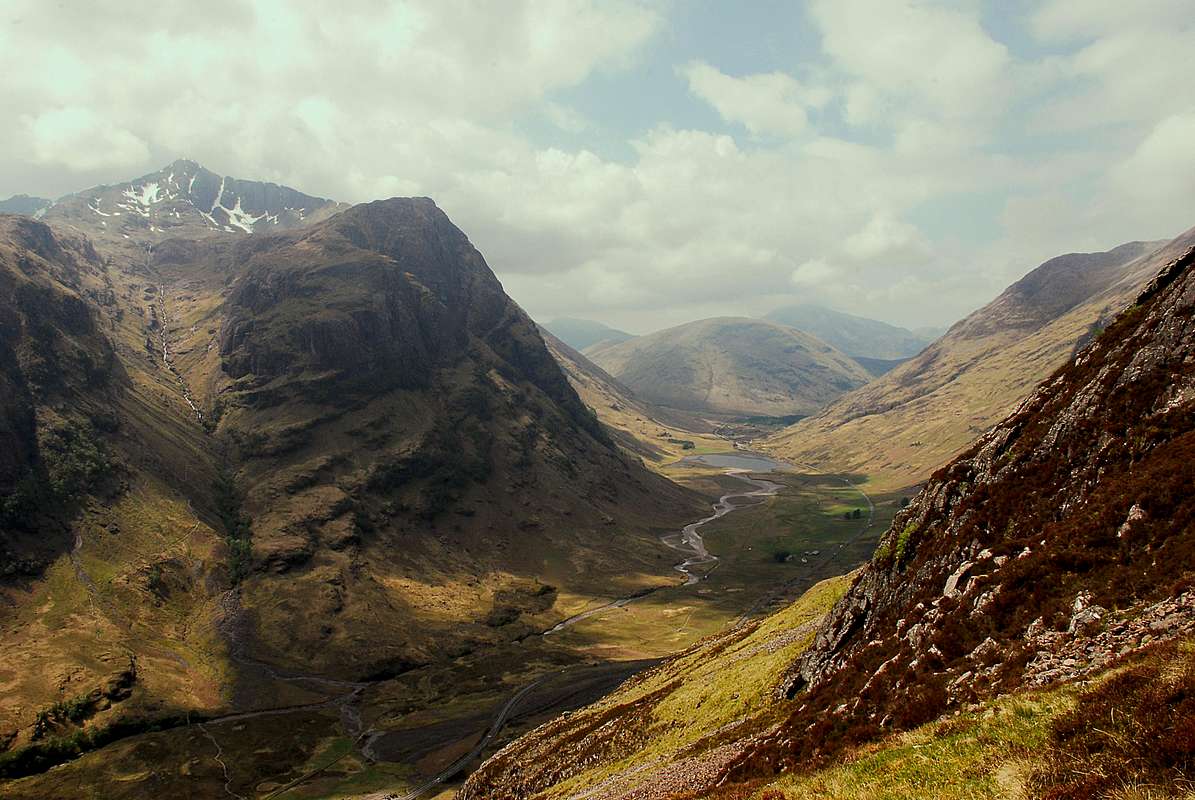
The u-shaped glen was formed by an ice age glacier and is surrounded by spectacular mountains which are a haven for hikers, walkers and rock/ice climbers.  The valley is 10 miles long but less than a half mile wide as mountains rise sharply on all sides up to 3,000 feet such Buchaille Etive Mor, the huge mountain seen as you enter the glen from the bleak expanse of Rannoch Moor.

The magnificent scenic drive through the area will feature high mountain peaks, ridges, rushing rivers, lochs, and mystical waterfalls.  Of note is the Devil’s Staircase, the Three Sisters, the Aonach Eagach, and 8 Munros.

Enjoy this scenic video journey through “Beautiful Scotland - Glencoe” (8:29).

Modern Culture

The pristine beauty and unpolluted air of Glencoe has been a draw to film makers for over 70 years.  Many scenes from Braveheart and Rob Roy were filmed in Glencoe.

The area was used as the home of Hagrid in the filming of Harry Potter and the Prisoner of Azkaban and in the James Bond movie Skyfall.  It is noted in the Ian Fleming novels as the birthplace of James Bond’s father, Andrew Bond.
Hagrid's hut from Harry Potter and the Prisoner of Azkaban

Wednesday, June 4, 2014

Jacobite Steam Train

Dubbed one of the greatest steam railway journeys in the world, the Jacobite Steam Train (tour day 3) is an 84-mile round trip through some of the most scenic country in Scotland as we travel through the Western Highlands.

The Jacobite Steam in the Scottish Western Highlands
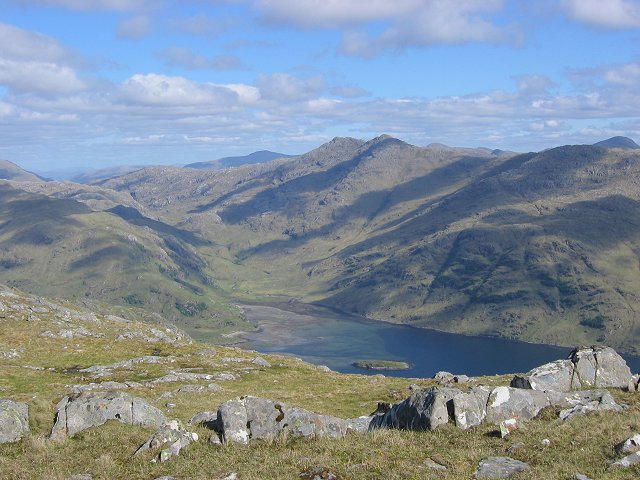
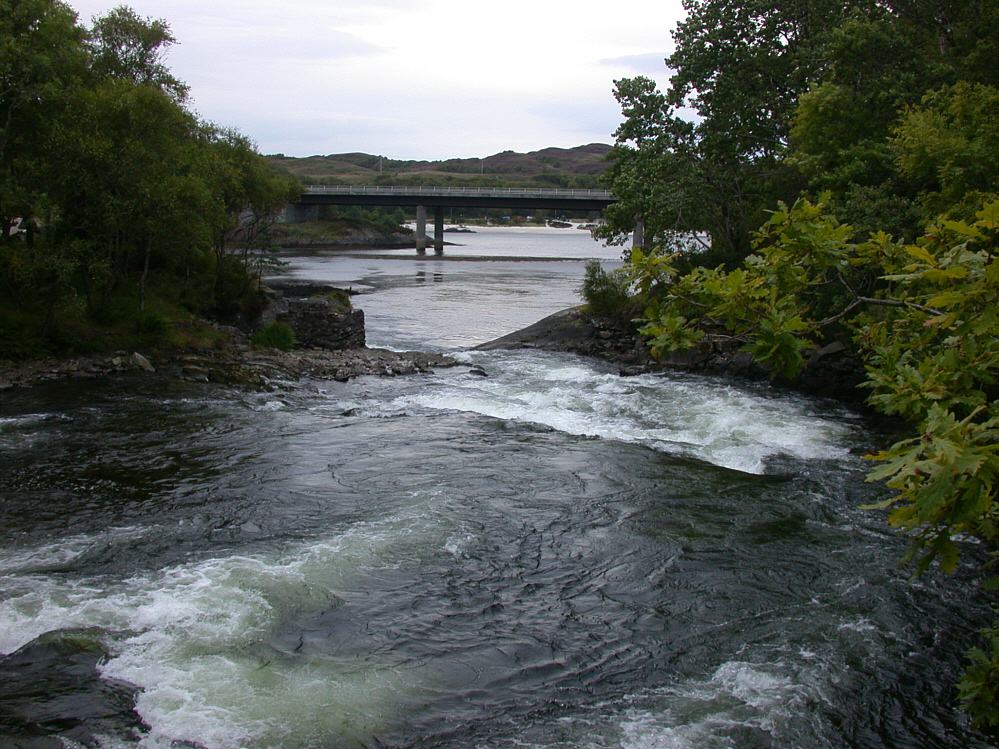
Our journey begins in Fort William at the base of Ben Nevis, Britain’s highest peak, and ends at Mallaig, 41 miles away on the western coast near the deepest deep seawater loch in Europe, Loch Nevis.  In between, the train passes close to the deepest fresh water loch in Britain, Loch Morar, and the shortest river in Britain, River Morar…truly a journey of extremes!

The area around Fort William, known as Glen Nevis, has been featured in several movies including Braveheart, Rob Roy, Highlander, and the Harry Potter films.  The Quidditch match in Harry Potter and the Sorcerer’s Stone was filmed against the background of Glen Nevis.

As the train departs Fort William, it skirts the shores of Loch Eil.  On leaving the Banavie station, the train crosses the Caledonian Canal, and on the right, you can see Neptune’s Staircase, a series of locks to raise boats to a higher level.

Perhaps the Jacobite Steam Train is best known as the train Harry Potter and his friends ride to school, the Hogwarts Express.  Owner West Coast Railways allowed the Harry Potter movies to film the railway and several of the individual cars.

The Jacobite Steam Train subbed for the Hogwarts Express in the Harry Potter movies.
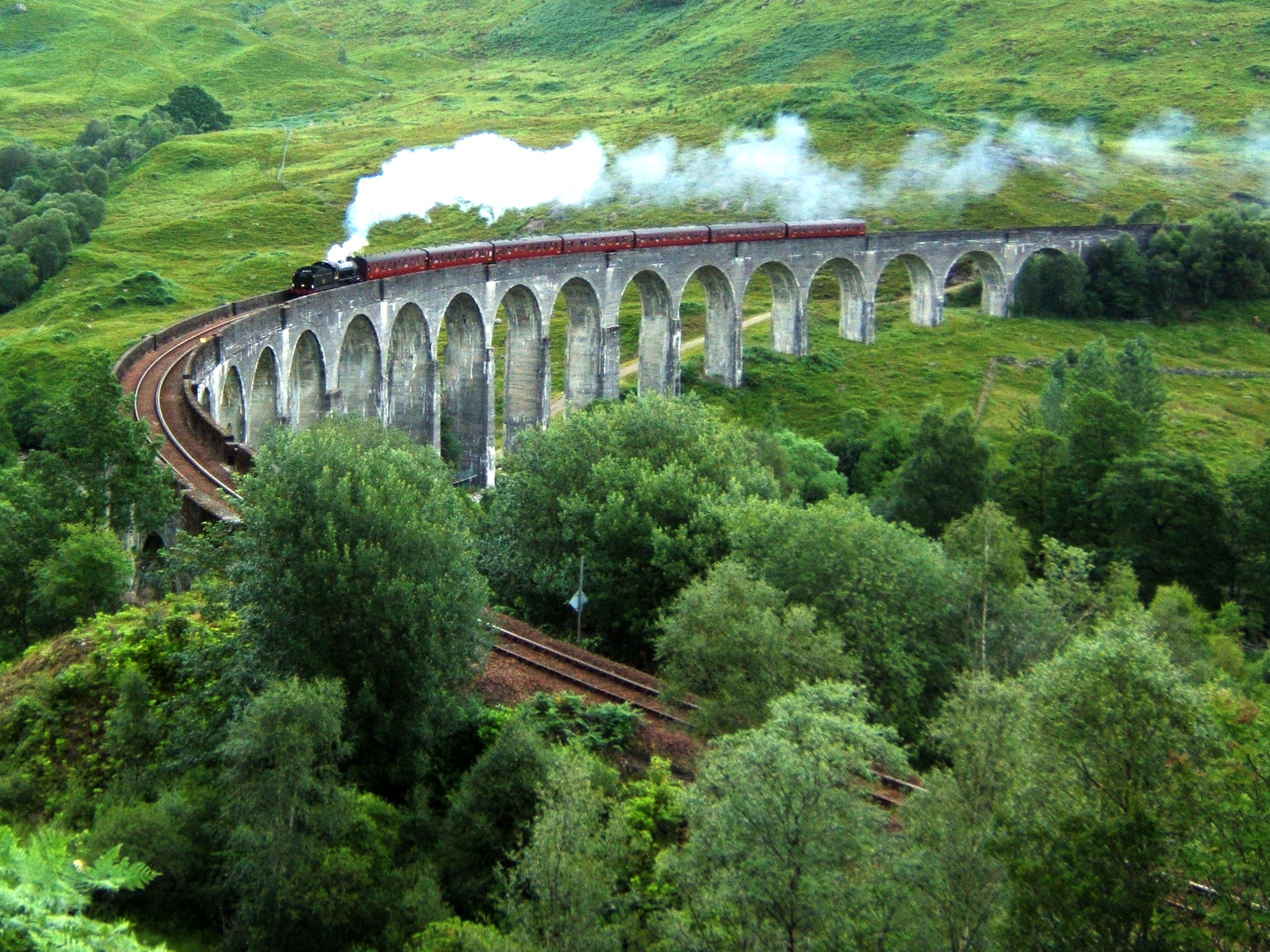
The highlight of the journey is when the train crosses the iconic Glenfinnan Viaduct where passengers get a stunning view toward the Glenfinnan Monument and Loch Shiel.  The crossing takes place at 10:54 a.m., according to the train’s timetable, and slows down as it passes over the viaduct.

Built by Robert McAlpine in 1901, it was one of the first rail viaducts to be built of concrete with over 21 arches supporting 416 yards of raised track

The curved viaduct is a recognizable feature in the Harry Potter films.  When Harry and Ron miss the train in Harry Potter and the Chamber of Secrets, they fly to Hogwarts in a car that zooms around and through some of the viaduct’s 100-foot high arches.

If possible, sit on the left side of the train leaving Fort William; you will have a better view of the viaduct rounding the curve and the engine passing over the viaduct.

The Jacobite makes a regular stop in the village of Glenfinnan along the shores of Loch Shiel where stands a monument to Bonnie Prince Charles who raised his standard here at the beginning of the 1745 Jacobite Rebellion.  The stop gives you time to stretch your legs and visit the museum in the station buildings.

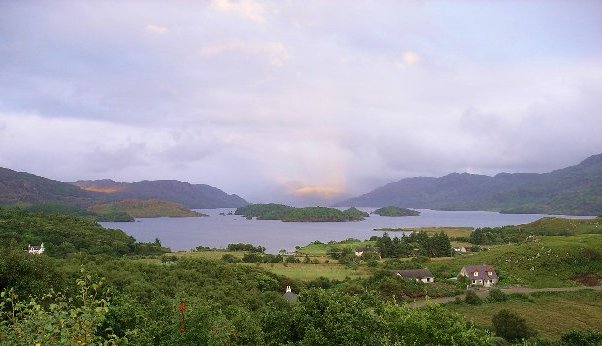
Before the train reaches Glenfinnan, it travels through splendid scenery along the shores of Loch Eilt, possibly one of the most picturesque lakes along the route dotted with several tree covered islands where Hagrid (of the Harry Potter movies) is seen skimming stones across the lake. 

Here you will see the Eilt pines, an example of the ancient Caledonian pine forest.  The best views here are on the right side of the train.

Just after Glenfinnan and the Lochailort station, the train passes the Church of Our Lady of the Braes.  Church services here ceased in 1964, but the building was featured in the 1983 movie Local Hero.  [The full movie is available here. (1:51:29)]

At Arisaig and Morar, you can glimpse the sea on the left hand side of the train. Arisaig is Britain’s most westerly railway station.  Morar provides superb coastline views across a turquoise sea to the Isles of Eigg, Rum, and further north to Skye.

The train runs from Fort William to Mallaig on the coast.
The train departs Fort William at 10:15 a.m. and arrives in the fishing port of Mallaig at 12:25p.m.  Here we will have an hour and half for a leisurely lunch break to enjoy fresh fish and chips at a number of restaurants.  It is recommended to have lunch first and then take a stroll afterwards to see the sites including the 8-foot tall fisherman statue at the end of the harbor wall. 

Mallaig offers views of the western isles and provides ferry service to the Isle of Skye.  Some visitors have reported seeing seals in the harbor. The return from Mallaig departs at 2:10 p.m. arriving back in Fort William at 4 p.m.

Mallaig may be our destination, but traveling is as much a part of the experience as the destination, and there’s no better way to enjoy the Western Highlands of Scotland than this spectacular railway journey.

Enjoy these videos of this once in a lifetime journey by rail!
“Jacobite” Highlights – The World Famous Steam-hauled Train to Fort William (6:30)

Saturday, September 21, 2013

2015 Slide Show of Tour Highlights

Experience Ireland and the Scottish Highlands

We are planning our next tour and it will be to beautiful Ireland and the Scottish Highlands.  The 10-day tour is June 22-July 1, 2015.

This is a one-of-kind customized tour combining some unique sites not found in many tours to Ireland and Scotland.  Highlights of the tour include: a train ride through the Scottish Highlands, the Giant’s Causeway in Northern Ireland, and the Cliffs of Moher on the Atlantic shores of Ireland.

If your heritage traces back to Ireland, then you’ll be able to step back in time at the Ulster American Folk Park and see just how your ancestors lived before immigrating to the New World.  And if nature is what you prefer, there will be no end to the diversity you’ll enjoy!

To get a closer look at what you will experience on the tour, then watch the slide show below that highlights these locations and many more.  Simply click on this link, or click in the box below.  (Note: I’ve found it works best when viewing with the Google Chrome browser. Also it uses Flash Player so may not play on iPads or iPhones, so use link above.)


Click on the forward button in the middle of the screen to start the show.  To advance the slides, click on the forward button at the bottom left to view this size.  To view full screen, click on the square in the lower right corner of the slide show and simply click your mouse on the screen to advance the slide show.  Enjoy!